Author: AJ @ ACN

  • What is Depression?

    What is Depression?

    Depression is not the absence of happiness…

    There is a common misconception is that depression is simply excessive or prolonged sadness. That people should be able to just “snap out of it” and “pull themselves together”.

    Depression is far more complex than this. It can be difficult to understand and even harder to move forwards.

    Depression narrows our emotional range rather than intensifying it, until joy feels distant, and motivation fades.

    Numbness happens when life becomes flat or muted, but that doesn’t mean there’s something’s wrong with the person. They haven’t failed and they’re certainly not lazy.
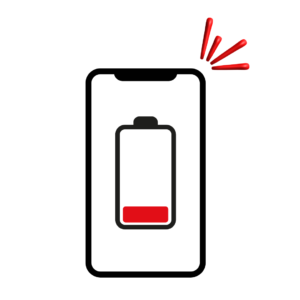
    Graphic of a phone with low-battery

    It’s about protection. When your mind is tired, it slows things down to conserve energy – like a phone switching into low-power mode. When the battery is depleted, output is reduced. That doesn’t mean the phone is broken.

    Cognitive Distortion: How Depression Shapes Your Thoughts

    Depression does not respond to logic, memes or inspirational quotes on a mug.

    It’s shaped by stress, loss, trauma, loneliness, unmet needs, and prolonged pressure. Often, it develops gradually, making it hard to pinpoint a single cause.

    Depression is not just a feeling; it’s a very convincing storyteller.

    • “I’m a burden.”
    • “Nothing will change.”
    • “Everyone else is coping better than I am.”

    These thoughts can feel authoritative, even factual. But they’re symptoms, not truths.

    Depression is a persuasive narrator, but not a reliable one. It narrows perspective and presents temporary states as permanent realities. Trying to argue or debate with these perspectives often keeps you stuck in the same loop of thinking.

    When these thoughts appear, it can be helpful to notice them and get curious, rather than taking them at face value.

    The Inner Critic

    Some people have a strong inner critic who uses their preferred set of management strategies to try and maintain a sense of control, approval or safety.

    This tends to be things like perfectionism and OCD, pleasing others or keeping busy. Sometimes, they can feel like an enemy, but underneath the judgement is fear. Fear of failure, fear of success. Fear of displeasing others or being overwhelmed.

    Over time, chronic pressure can lead to depression emerging as a protective response – slowing everything down and creating “deep rest” to prevent further harm.

    At this stage, even anxiety and internal shame are not enough to force us to keep performing. Telling yourself that you should be coping better doesn’t change how things are, or give you space to recover. At this stage, you need understanding and compassion.

    What Actually Helps

    There is no single solution that works for everyone, but there are some helpful and protective factors highlighted by research and clinical experience:

    • Being believed and taken seriously
    • Gentle structure rather than overwhelming expectations
    • Safe connection with people who do not minimise or rush recovery
    • Professional support (therapy, medication, or both if appropriate)

    Recovery comes through gently reconnecting with yourself, at a pace that does not overwhelm you.

    Above all, compassion plays a central role, from yourself and from others. Recognition that depression is difficult and deserves care rather than criticism.

    A Final Thought

    If you are living with depression, you have not failed and you’re not broken. You’re responding to something real.

    Your system is doing the best it can with the energy and information it has available.
    Depression can be persuasive, but it can’t tell the future.

    Your story is still being written, ideally with more rest breaks, support and less pressure.

    Mandala with butterfly graphics

  • 💙 Movember: Growing Awareness, Saving Lives

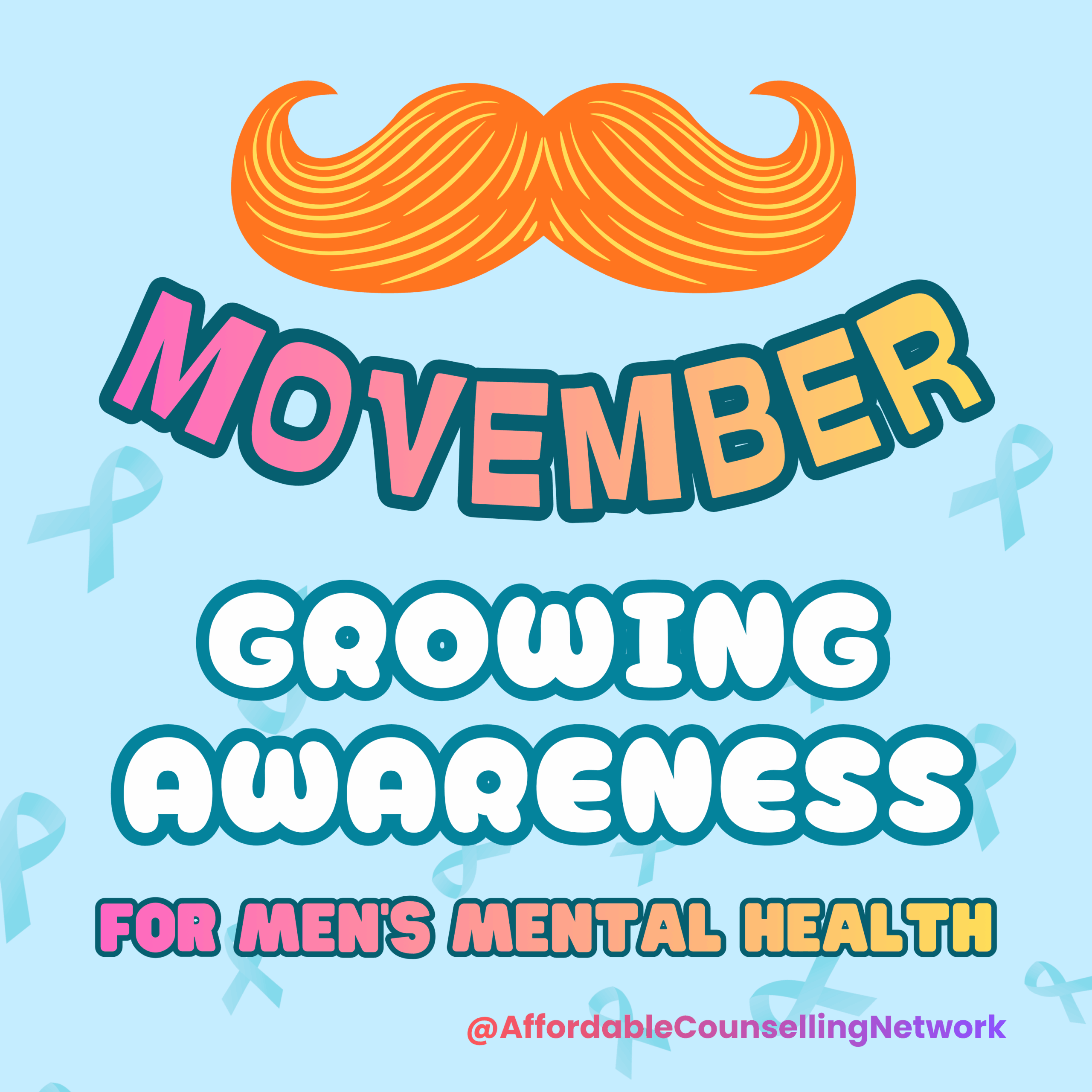
    💙 Movember: Growing Awareness, Saving Lives

    Changing the Story of Men’s Mental Health

    Every November, moustaches become more than just a fun trend…

    What began as a light-hearted initiative has grown into a global movement. Movember tackles some of the most serious issues facing men today, including prostate cancer, testicular cancer, and suicide prevention.

    At its heart, Movember is about conversation, encouraging men to talk openly about physical and mental health.


    🧠 The Silent Crisis: Men and Suicide

    Suicide remains one of the leading causes of death among men under 50 in the UK.

    According to the Office for National Statistics (ONS, 2023), 74% of all suicides in the UK were men – a figure that remains heartbreakingly consistent year-on-year.

    Globally, the World Health Organization (WHO) reports that over 700,000 people die by suicide each year.

    Around 3 out of every 4 suicides are men.

    Despite these alarming figures, men are far less likely to seek help. Research by Mind showed only 36% of NHS referrals for psychological therapies are male.

    Cultural expectations around masculinity often make it difficult for men to express emotions or ask for help. Phrases like “man up” or “keep it together” reinforce silence, even when someone is struggling deeply.

    Reaching out for support isn’t weakness, it’s strength.


    🥸 Why Movember Matters

    Movember is more than a moustache. It’s a movement that aims to change the face of men’s health by encouraging conversations, raising funds, and challenging stigma.

    Since its launch in 2003, the Movember Foundation has funded more than 1,250 men’s health projects worldwide, investing over £700 million into mental health, suicide prevention, and cancer research.

    By raising awareness and supporting community projects, Movember empowers men to stay connected and get help early before they’re in crisis.


    🚨 Recognising the Signs of Suicide Risk

    If you’re worried about yourself or someone you know, look out for the following signs:

    • Withdrawing from family, friends, or activities
    • Talking about feeling hopeless, trapped, or being a burden
    • Increased alcohol or drug use
    • Major changes in mood, sleep, or energy
    • Expressing thoughts of self-harm or death

    Reaching out, even just asking “Are you really okay?” can start a life-saving conversation. 

    If you’re unsure where to start, Mental Health UK offers free, practical tools and downloadable guides to help you have these important conversations.

    👉 Find resources and guides here


    🤝 Reaching Out for Help

    This Movember, take a moment to check in with the men in your life, and yourself. Connection can make an enormous difference.

    Whether you’re struggling with stress, anxiety, depression, or simply feeling overwhelmed, help is always available.


    🌱 A Message of Hope

    Talking about suicide can feel uncomfortable, but silence can be deadly. When we open up conversations about men’s mental health, we build a future where reaching out for help is normal and celebrated.

    This Movember, let’s wear our moustaches — or our support — proudly.
    Together, we can change the story of men’s mental health and save lives.


    📞 If You or Someone You Know Is Struggling

    • Samaritans (UK): Call 116 123 – free and available 24/7
    • Mind: 0300 123 3393 – for mental health advice and support
    • CALM (Campaign Against Living Miserably): 0800 585858 – for men in crisis

  • Menopause Awareness Month 2025

    Menopause Awareness Month 2025

    October is Menopause Awareness Month, a time to move beyond silence and stigma to genuine understanding. Menopause is not just a reproductive milestone, it’s a major health and life transition that impacts physical, emotional, and social wellbeing.

    Menopause is officially reached after 12 months without a period, usually between ages 45 and 55, however the years leading up to this (the perimenopause) can be just as challenging to manage.

    Perimenopause brings changes to hormone levels, especially oestrogen and progesterone. These shifts can cause a wide mix of symptoms, including hot flushes, sleep problems, memory lapses, low mood, and anxiety.

    The decline in oestrogen affects more than just our reproductive health. It plays a protective role in heart and bone health, which is why post-menopausal women are at increased risk of osteoporosis and cardiovascular disease. Hormonal shifts also increase the likelihood of weight gain, particularly around the abdomen.

    Menopause often affects women with ADHD more significantly, as hormonal changes, particularly the decline in oestrogen, can intensify common ADHD symptoms such as forgetfulness, distractibility, mood swings, and difficulties with focus.

    Many women report that the coping strategies which once worked for them become less effective, leading to increased frustration, fatigue, and emotional sensitivity. This overlap between menopausal symptoms and ADHD can make it harder to distinguish between the two, often leaving women feeling misunderstood or unsupported without tailored guidance and care.

    Globally, the scale of menopause is immense. By 2025, 1 billion women worldwide will be experiencing menopause. Research shows that about 80% of women experience symptoms, many of which can be disruptive to daily life. Yet a UK survey by the British Menopause Society found that half of women going through menopause had never consulted a healthcare professional about their symptoms, despite reporting an average of seven different ones.

    The impact also stretches into the workplace. According to the Fawcett Society’s “Menopause and the Workplace report, 1 in 10 women have left a job due to menopausal symptoms. Many more have reduced their hours, avoided promotions, or kept silent about their struggles, often because employers lack policies or understanding.

    This is not just a health issue — it is an economic and equality issue as well.

    There are still many misconceptions about menopause. It’s also not just about hot flushes – menopause affects sleep, mood, memory, and relationships, and symptoms can last for 7 to 14 years.

    Menopause is as much an emotional and social shift as it is a physical one. Many women say they feel anxious, irritable, low, or unlike themselves.

    Perhaps most damaging is the belief that nothing can help. In fact, with the right combination of medical care, lifestyle adjustments, and emotional support, many women find their symptoms can be managed effectively.

    Every woman’s experience is unique, but some simple steps can make this stage of life easier:

    • Stay active: Staying physically active is one of the most effective strategies. Weight-bearing exercises like walking, yoga, or strength training can protect bone health, reduce stress, and improve mood.
    • Eat well: A balanced diet rich in calcium, vitamin D, and whole foods helps maintain energy levels and supports long-term health. Limiting caffeine, alcohol, and processed foods can also reduce hot flashes and improve sleep quality.
    • Look after sleep: Good sleep hygiene is especially important. Keeping a cool bedroom, sticking to a regular bedtime, and winding down with calming activities such as reading or deep breathing can ease night sweats and insomnia.
    • Manage stress: Relaxation and stress management techniques are equally valuable. Practices such as mindfulness, meditation, and simple breathing exercises can reduce anxiety and create a sense of calm. Even short daily breaks for stretching or stepping outside can make a difference.
    • Seek support: Finally, building a support network is essential. Finding a space to share your experiences and explore coping strategies will help you to regain a sense of confidence and balance. If you don’t have access to counselling, start a conversation with friends or look for support groups locally or online.

    Menopause isn’t an illness — it’s a natural stage of life. But it can bring real challenges for women who don’t have access to the right support.

    This month, we have the chance to promote awareness of this natural change, to help women feel understood and valued.

    Workplaces and communities can make a difference by encouraging open conversations, offering reliable resources, and putting supportive policies in place. Employers who provide flexible working, training, and access to health support often see happier, healthier teams.

    Families and friends can play a vital role simply by listening and being patient. Counselling is also valuable in supporting relationships, offering a chance to talk through how menopause affects communication and intimacy with partners, family, or friends.

    With access to good physical and mental healthcare, our view of menopause can shift from the end of a chapter to the start of something new.

  • Anxiety: Friend or Foe?

    Anxiety: Friend or Foe?

    Anxiety is a very common and significant focus of therapeutic work, but anxiety itself is not an enemy or a problem, it’s just our body’s way of letting us know that something is wrong.

    In the same way that our immune system protects us from bacteria and viruses, our core feelings of Anger, Sadness and Fear form part of the body’s “emotional” defence system, alerting us to threats and potential danger. 

    Physiologically speaking, we weren’t designed to handle the stresses of modern life. Our nervous system evolved a long time ago, back when our main source of fear might have been an attack on the tribe.

    Cave men certainly weren’t worrying about interest rates, phone contracts or when to change energy supplier. They had a limited number of people to maintain contact with in their tribe and they certainly didn’t keep track of global affairs.

    The world may be very different now, but we haven’t changed that much.

    The brain is a processor, trapped inside a black box. The only information if has to go on are the signals it interprets from the outside world. Unfortunately, sometimes it can’t tell the difference between a tiger and a parking ticket, but we may experience the same physiological response.

    When under stress, our body still primes itself to respond physically as it would have done many thousands of years ago. The prefrontal cortex (our ‘thinking’ and ‘reasoning’ centre) shuts down, and the animal brain takes over as we move into “survival mode” (the “Fight, Flight, Freeze, Fawn & Flop” responses).

    Fear and anxiety are useful when we need an immediate, physical response, but less so if we’re stuck in a situation outside of our control, with no clear path forwards or good moves to make.

    At those times, it’s helpful to acknowledge the value and benefit of holding still instead, keeping ourselves safe and buying time to work out a strategy, even when this is hard to do.

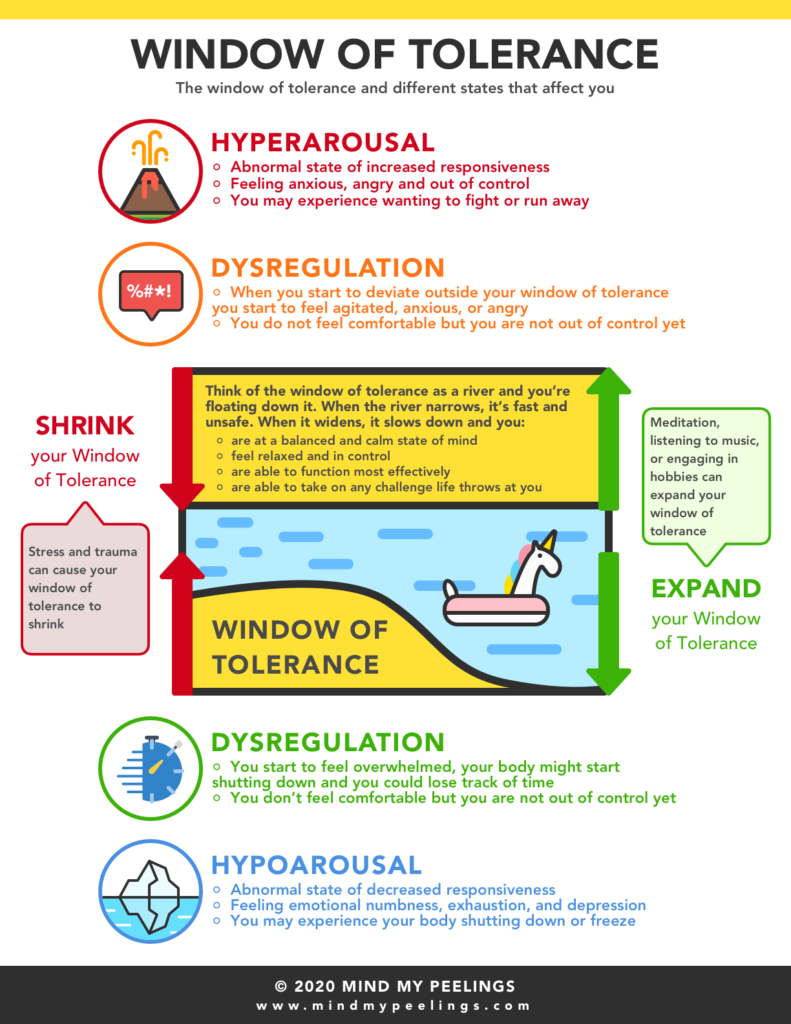
    If we can’t resolve the source of our fear in the short-term, this creates tension that we experience as anxiety and stress. Stay in this state for too long, and we can move into ‘hyper’ or ‘hypo’ arousal, and struggle to feel at peace or think clearly:


    Simple grounding exercises can be useful to help us self-regulate, reconnect to our body using our senses and bring our prefrontal cortex back online.

    Simple tools and techniques that are gentle and don’t demand much processing power are often the best – videos designed for children can be really helpful for this too…

    Some ideas you might like to try:

  • Changes to Routine: Finding Balance in Unfamiliar Times

    Changes to Routine: Finding Balance in Unfamiliar Times

    Human beings thrive on rhythm and predictability. Daily routines, whether it is the morning commute, school drop-offs, or simply knowing what comes next, give structure to our lives. They act as anchors in a busy world, helping us feel safe, grounded and in control.

    When routine is disrupted through events like losing a job, the arrival of summer holidays, or sudden life changes, we may experience:

    • A sense of uncertainty or loss of identity
    • Increased anxiety or low mood due to lack of structure
    • Difficulties with motivation and concentration
    • Feeling “out of sync” with others around us

    For those already living with stress, depression, ADHD, autism, or other forms of neurodivergence, these disruptions can be especially challenging.

    • Job loss or career change: The sudden loss of daily structure can bring both practical and emotional challenges.
    • School holidays: Parents and carers may find themselves juggling work, childcare, and self-care. Children may also struggle with the absence of predictable school routines.
    • Life transitions: Moving house, retirement, or illness can throw off familiar patterns and rhythms.

    Recognising that these disruptions are valid sources of stress is an important first step.

    Here are some simple strategies that can help you maintain balance when routines shift:

    Even small habits can restore a sense of structure. Try setting consistent times for waking up, meals, or short walks. These anchors give your body and mind reassuring signals.

    Calendars, planners, or phone reminders can help keep track of tasks and maintain rhythm. Families might benefit from a shared wall planner to balance responsibilities.

    When the bigger picture feels overwhelming, focus on simple goals such as “Today I will cook a meal” or “I’ll spend 10 minutes reading.” Completing these can boost motivation and self-esteem.

    Changes to routine can sometimes lead to isolation. Scheduling regular calls, meet-ups, or community activities can provide grounding and reduce loneliness. Of all the techniques, this is the most important of all.

    Practising short mindfulness exercises, even just paying attention to the breath for one minute, can help calm the nervous system and build tolerance for change.

    If changes to your routine are leaving you persistently low, anxious or overwhelmed, it may help to talk with someone you trust. For some, counselling can provide a supportive space to explore feelings and discover strategies that feel right for them.

    Life’s routines will always shift, sometimes gradually and sometimes suddenly. We cannot always control change, but we can prepare ourselves and manage the impact this has on our lives when change does come.

    Reaching out for connection, and treating ourselves with kindness can make times of transition feel more manageable.

  • Understanding Neurodivergence

    Understanding Neurodivergence

    Neurodivergence is a broad term that describes ways in which people’s brains may function differently from what is considered “typical”. These differences are not deficits or disorders in themselves – they are variations in how people experience, process, and respond to the world.

    Two of the most commonly recognised forms of neurodivergence are Autism Spectrum Disorder (ASD) and Attention Deficit Hyperactivity Disorder (ADHD). While often thought of separately, there is a great deal of overlap between them – especially among women and girls, whose experiences are often overlooked or misunderstood.


    ADHD and autism can look quite different from person to person, but they do share some key features:

    • Sensory sensitivity – becoming easily overwhelmed by sounds, lights, textures or smells.
    • Social difficulties – language and communication, reading social cues, understanding unspoken rules.
    • Executive functioning challenges – issues with organisation, planning, starting or finishing tasks, overactivity
    • Issues of regulation– difficulty with managing emotions, behaviours, focus and attention (such as hyperfocus or monotropic thinking).

    While someone might be diagnosed with either ADHD or autism, many people meet the criteria for both. Recent research suggests that a significant number of people with ADHD also show autistic traits, and vice versa.

    The overlap between ADHD and autism (ASD) is significant, although the exact percentage varies depending on the study, population, and diagnostic criteria used. Based on some of the best peer-reviewed research available, with studies using meta-analysis and large clinical samples, an approximate guide to findings1 at present is:

    • Around 50% of people with autism are likely to also have ADHD (range: 16%-75%)
    • Roughly a quarter to a third of people with ADHD may also have autism (range: 18-50%)

    In summary, someone who is neurodivergent is more likely to have both ADHD and Autism (commonly referred to as AuDHD) than to have just one of these conditions.

    Given the high rate of co-occurrence, shared traits and overlapping genetic links, these two diagnoses may actually exist along a broader neurodevelopmental spectrum – with each person expressing a unique blend of traits.

    Many neurodivergent people diagnosed with AuDHD experience this as a genuine overlap, rather than two separate conditions. While some lean more towards ADHD-type traits (such as impulsivity, experience-seeking, or distractibility), others may identify more with autism-related traits (like deep focus, overthinking, or heightened sensitivity to sensory input).

    Having been diagnosed around five years ago, I’ve come to understand the core experience of AuDHD as an ongoing internal negotiation — a kind of push and pull between competing forces: the need for excitement and stimulation, and the craving for predictability and order.


    For women and girls, being neurodivergent often goes unnoticed due to a number of factors.

    Females often have an increased aptitude for masking neurodivergent traits from an early age. Masking is the conscious or unconscious imitation of others’ behaviour — a way of blending in by mimicking social norms, expressions, or patterns of speech. Over time, masking can become second nature — not simply a habit, but a survival strategy.

    Girls tend to be especially adept at this, largely due to a mix of social, developmental, and cultural influences. From a young age, they are often encouraged to be polite, agreeable, emotionally aware, and socially tuned in. Many internalise strong pressure to avoid standing out, causing disruption, or being seen as “difficult”.

    Many autistic or ADHD girls develop camouflaging strategies, such as:

    • Copying peers to navigate social situations, mimicking tone, gestures, voice, style and appearance.
    • Rehearsing conversations or facial expressions (including forced eye contact)
    • Hiding overwhelm, anxiety, or confusion to appear “normal”.

    While it may help someone to avoid standing out, this often comes at a cost and can lead to:

    • Exhaustion and burnout
    • Anxiety and depression
    • Loss of identity and low self-esteem
    • Other mental health struggles later in life.

    Neurodivergent traits in girls are more likely to show up different, such as daydreaming rather than hyperactivity (in ADHD), and shyness or intense interests rather than overt social withdrawal (in autism).

    These are often mistaken for personality quirks rather than signs of neurodivergence. As a result, girls are less likely to be flagged for assessment, especially in childhood.

    Much of the early research and diagnostic criteria for autism and ADHD was also based on boys, and girls whose traits don’t fit those patterns often go unrecognised or are misdiagnosed.

    Many are first given labels like anxiety, depression, or eating disorders or may later be misdiagnosed with a personality disorder (usually BPD). Some are told they’re “too sensitive”, “too much”, or “overthinking”. For many women and non-binary people, an accurate understanding of their neurodivergence doesn’t come until adulthood, if at all.


    Neurodivergence isn’t limited to ADHD or autism. Other neurological differences also shape how people think and feel. These include:

    • Dyslexia – difficulty with reading and language processing.
    • Dyscalculia – difficulty understanding numbers and mathematical concepts.
    • Dysgraphia – challenges with handwriting and written expression.
    • Alexithymia – difficulty noticing, identifying and describing one’s emotions or bodily sensations (low sense of interoception).
    • Aphantasia – an inability to voluntarily visualise or form mental images (e.g. faces, places, objects etc).
    • Auditory Processing Disorder (APD) – difficulty in processing or understanding sounds or speech, especially in noisy environments.
    • Obsessive Compulsive Disorder (OCD) – intrusive thoughts and compulsions that can severely impact daily life.
    • Pathological Demand Avoidance (PDD) – An extreme need for autonomy and avoidance of everyday demands due to high anxiety.

    Some of these conditions can overlap with ADHD and autism. For example, alexithymia and pathological demand avoidance (PDD) are more common in people with autism, and OCD shares some features with autism, such as repetitive behaviours.
    Research into these links is ongoing, and we’re learning more all the time.


    Not all neurodivergence is present from birth. For some, neurological changes can emerge as a result of early or prolonged trauma (Complex PTSD).

    This might include:

    • Chronic childhood stress or neglect
    • Emotional or physical abuse
    • Disrupted relationships and early attachments

    These experiences can shape how the brain develops and how a person processes emotions, relationships, and sensory information – sometimes in ways that closely resemble ADHD or autism.


    • Being neurodivergent is not a flaw. It’s a difference – sometimes challenging, often beautiful.
    • Support matters. Whether through counselling, diagnosis, or simply understanding yourself better, it’s okay to ask for help.
    • Many people live for years without understanding why day-to-day life can feel so challenging – and find clarity, peace, and strength once they do.

    Affordable Counselling Network offers low-cost online therapy for individuals. If you’re navigating neurodivergence, diagnosed or not, and would value a supportive space to explore your experiences, please feel welcome to get in touch.


    1 Data Sources: