Blog

  • What is Depression?

    What is Depression?

    Depression is not the absence of happiness…

    There is a common misconception is that depression is simply excessive or prolonged sadness. That people should be able to just “snap out of it” and “pull themselves together”.

    Depression is far more complex than this. It can be difficult to understand and even harder to move forwards.

    Depression narrows our emotional range rather than intensifying it, until joy feels distant, and motivation fades.

    Numbness happens when life becomes flat or muted, but that doesn’t mean there’s something’s wrong with the person. They haven’t failed and they’re certainly not lazy.
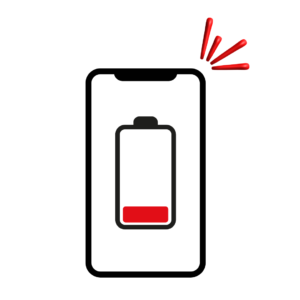
    Graphic of a phone with low-battery

    It’s about protection. When your mind is tired, it slows things down to conserve energy – like a phone switching into low-power mode. When the battery is depleted, output is reduced. That doesn’t mean the phone is broken.

    Cognitive Distortion: How Depression Shapes Your Thoughts

    Depression does not respond to logic, memes or inspirational quotes on a mug.

    It’s shaped by stress, loss, trauma, loneliness, unmet needs, and prolonged pressure. Often, it develops gradually, making it hard to pinpoint a single cause.

    Depression is not just a feeling; it’s a very convincing storyteller.

    • “I’m a burden.”
    • “Nothing will change.”
    • “Everyone else is coping better than I am.”

    These thoughts can feel authoritative, even factual. But they’re symptoms, not truths.

    Depression is a persuasive narrator, but not a reliable one. It narrows perspective and presents temporary states as permanent realities. Trying to argue or debate with these perspectives often keeps you stuck in the same loop of thinking.

    When these thoughts appear, it can be helpful to notice them and get curious, rather than taking them at face value.

    The Inner Critic

    Some people have a strong inner critic who uses their preferred set of management strategies to try and maintain a sense of control, approval or safety.

    This tends to be things like perfectionism and OCD, pleasing others or keeping busy. Sometimes, they can feel like an enemy, but underneath the judgement is fear. Fear of failure, fear of success. Fear of displeasing others or being overwhelmed.

    Over time, chronic pressure can lead to depression emerging as a protective response – slowing everything down and creating “deep rest” to prevent further harm.

    At this stage, even anxiety and internal shame are not enough to force us to keep performing. Telling yourself that you should be coping better doesn’t change how things are, or give you space to recover. At this stage, you need understanding and compassion.

    What Actually Helps

    There is no single solution that works for everyone, but there are some helpful and protective factors highlighted by research and clinical experience:

    • Being believed and taken seriously
    • Gentle structure rather than overwhelming expectations
    • Safe connection with people who do not minimise or rush recovery
    • Professional support (therapy, medication, or both if appropriate)

    Recovery comes through gently reconnecting with yourself, at a pace that does not overwhelm you.

    Above all, compassion plays a central role, from yourself and from others. Recognition that depression is difficult and deserves care rather than criticism.

    A Final Thought

    If you are living with depression, you have not failed and you’re not broken. You’re responding to something real.

    Your system is doing the best it can with the energy and information it has available.
    Depression can be persuasive, but it can’t tell the future.

    Your story is still being written, ideally with more rest breaks, support and less pressure.

    Mandala with butterfly graphics

  • 💙 Movember: Growing Awareness, Saving Lives

    💙 Movember: Growing Awareness, Saving Lives

    Changing the Story of Men’s Mental Health

    Every November, moustaches become more than just a fun trend…

    What began as a light-hearted initiative has grown into a global movement. Movember tackles some of the most serious issues facing men today, including prostate cancer, testicular cancer, and suicide prevention.

    At its heart, Movember is about conversation, encouraging men to talk openly about physical and mental health.


    🧠 The Silent Crisis: Men and Suicide

    Suicide remains one of the leading causes of death among men under 50 in the UK.

    According to the Office for National Statistics (ONS, 2023), 74% of all suicides in the UK were men – a figure that remains heartbreakingly consistent year-on-year.

    Globally, the World Health Organization (WHO) reports that over 700,000 people die by suicide each year.

    Around 3 out of every 4 suicides are men.

    Despite these alarming figures, men are far less likely to seek help. Research by Mind showed only 36% of NHS referrals for psychological therapies are male.

    Cultural expectations around masculinity often make it difficult for men to express emotions or ask for help. Phrases like “man up” or “keep it together” reinforce silence, even when someone is struggling deeply.

    Reaching out for support isn’t weakness, it’s strength.


    🥸 Why Movember Matters

    Movember is more than a moustache. It’s a movement that aims to change the face of men’s health by encouraging conversations, raising funds, and challenging stigma.

    Since its launch in 2003, the Movember Foundation has funded more than 1,250 men’s health projects worldwide, investing over £700 million into mental health, suicide prevention, and cancer research.

    By raising awareness and supporting community projects, Movember empowers men to stay connected and get help early before they’re in crisis.


    🚨 Recognising the Signs of Suicide Risk

    If you’re worried about yourself or someone you know, look out for the following signs:

    • Withdrawing from family, friends, or activities
    • Talking about feeling hopeless, trapped, or being a burden
    • Increased alcohol or drug use
    • Major changes in mood, sleep, or energy
    • Expressing thoughts of self-harm or death

    Reaching out, even just asking “Are you really okay?” can start a life-saving conversation. 

    If you’re unsure where to start, Mental Health UK offers free, practical tools and downloadable guides to help you have these important conversations.

    👉 Find resources and guides here


    🤝 Reaching Out for Help

    This Movember, take a moment to check in with the men in your life, and yourself. Connection can make an enormous difference.

    Whether you’re struggling with stress, anxiety, depression, or simply feeling overwhelmed, help is always available.


    🌱 A Message of Hope

    Talking about suicide can feel uncomfortable, but silence can be deadly. When we open up conversations about men’s mental health, we build a future where reaching out for help is normal and celebrated.

    This Movember, let’s wear our moustaches — or our support — proudly.
    Together, we can change the story of men’s mental health and save lives.


    📞 If You or Someone You Know Is Struggling

    • Samaritans (UK): Call 116 123 – free and available 24/7
    • Mind: 0300 123 3393 – for mental health advice and support
    • CALM (Campaign Against Living Miserably): 0800 585858 – for men in crisis

  • Menopause Awareness Month 2025

    Menopause Awareness Month 2025

    October is Menopause Awareness Month, a time to move beyond silence and stigma to genuine understanding. Menopause is not just a reproductive milestone, it’s a major health and life transition that impacts physical, emotional, and social wellbeing.

    Menopause is officially reached after 12 months without a period, usually between ages 45 and 55, however the years leading up to this (the perimenopause) can be just as challenging to manage.

    Perimenopause brings changes to hormone levels, especially oestrogen and progesterone. These shifts can cause a wide mix of symptoms, including hot flushes, sleep problems, memory lapses, low mood, and anxiety.

    The decline in oestrogen affects more than just our reproductive health. It plays a protective role in heart and bone health, which is why post-menopausal women are at increased risk of osteoporosis and cardiovascular disease. Hormonal shifts also increase the likelihood of weight gain, particularly around the abdomen.

    Menopause often affects women with ADHD more significantly, as hormonal changes, particularly the decline in oestrogen, can intensify common ADHD symptoms such as forgetfulness, distractibility, mood swings, and difficulties with focus.

    Many women report that the coping strategies which once worked for them become less effective, leading to increased frustration, fatigue, and emotional sensitivity. This overlap between menopausal symptoms and ADHD can make it harder to distinguish between the two, often leaving women feeling misunderstood or unsupported without tailored guidance and care.

    Globally, the scale of menopause is immense. By 2025, 1 billion women worldwide will be experiencing menopause. Research shows that about 80% of women experience symptoms, many of which can be disruptive to daily life. Yet a UK survey by the British Menopause Society found that half of women going through menopause had never consulted a healthcare professional about their symptoms, despite reporting an average of seven different ones.

    The impact also stretches into the workplace. According to the Fawcett Society’s “Menopause and the Workplace report, 1 in 10 women have left a job due to menopausal symptoms. Many more have reduced their hours, avoided promotions, or kept silent about their struggles, often because employers lack policies or understanding.

    This is not just a health issue — it is an economic and equality issue as well.

    There are still many misconceptions about menopause. It’s also not just about hot flushes – menopause affects sleep, mood, memory, and relationships, and symptoms can last for 7 to 14 years.

    Menopause is as much an emotional and social shift as it is a physical one. Many women say they feel anxious, irritable, low, or unlike themselves.

    Perhaps most damaging is the belief that nothing can help. In fact, with the right combination of medical care, lifestyle adjustments, and emotional support, many women find their symptoms can be managed effectively.

    Every woman’s experience is unique, but some simple steps can make this stage of life easier:

    • Stay active: Staying physically active is one of the most effective strategies. Weight-bearing exercises like walking, yoga, or strength training can protect bone health, reduce stress, and improve mood.
    • Eat well: A balanced diet rich in calcium, vitamin D, and whole foods helps maintain energy levels and supports long-term health. Limiting caffeine, alcohol, and processed foods can also reduce hot flashes and improve sleep quality.
    • Look after sleep: Good sleep hygiene is especially important. Keeping a cool bedroom, sticking to a regular bedtime, and winding down with calming activities such as reading or deep breathing can ease night sweats and insomnia.
    • Manage stress: Relaxation and stress management techniques are equally valuable. Practices such as mindfulness, meditation, and simple breathing exercises can reduce anxiety and create a sense of calm. Even short daily breaks for stretching or stepping outside can make a difference.
    • Seek support: Finally, building a support network is essential. Finding a space to share your experiences and explore coping strategies will help you to regain a sense of confidence and balance. If you don’t have access to counselling, start a conversation with friends or look for support groups locally or online.

    Menopause isn’t an illness — it’s a natural stage of life. But it can bring real challenges for women who don’t have access to the right support.

    This month, we have the chance to promote awareness of this natural change, to help women feel understood and valued.

    Workplaces and communities can make a difference by encouraging open conversations, offering reliable resources, and putting supportive policies in place. Employers who provide flexible working, training, and access to health support often see happier, healthier teams.

    Families and friends can play a vital role simply by listening and being patient. Counselling is also valuable in supporting relationships, offering a chance to talk through how menopause affects communication and intimacy with partners, family, or friends.

    With access to good physical and mental healthcare, our view of menopause can shift from the end of a chapter to the start of something new.

  • Anxiety: Friend or Foe?

    Anxiety: Friend or Foe?

    Anxiety is a very common and significant focus of therapeutic work, but anxiety itself is not an enemy or a problem, it’s just our body’s way of letting us know that something is wrong.

    In the same way that our immune system protects us from bacteria and viruses, our core feelings of Anger, Sadness and Fear form part of the body’s “emotional” defence system, alerting us to threats and potential danger. 

    Physiologically speaking, we weren’t designed to handle the stresses of modern life. Our nervous system evolved a long time ago, back when our main source of fear might have been an attack on the tribe.

    Cave men certainly weren’t worrying about interest rates, phone contracts or when to change energy supplier. They had a limited number of people to maintain contact with in their tribe and they certainly didn’t keep track of global affairs.

    The world may be very different now, but we haven’t changed that much.

    The brain is a processor, trapped inside a black box. The only information if has to go on are the signals it interprets from the outside world. Unfortunately, sometimes it can’t tell the difference between a tiger and a parking ticket, but we may experience the same physiological response.

    When under stress, our body still primes itself to respond physically as it would have done many thousands of years ago. The prefrontal cortex (our ‘thinking’ and ‘reasoning’ centre) shuts down, and the animal brain takes over as we move into “survival mode” (the “Fight, Flight, Freeze, Fawn & Flop” responses).

    Fear and anxiety are useful when we need an immediate, physical response, but less so if we’re stuck in a situation outside of our control, with no clear path forwards or good moves to make.

    At those times, it’s helpful to acknowledge the value and benefit of holding still instead, keeping ourselves safe and buying time to work out a strategy, even when this is hard to do.

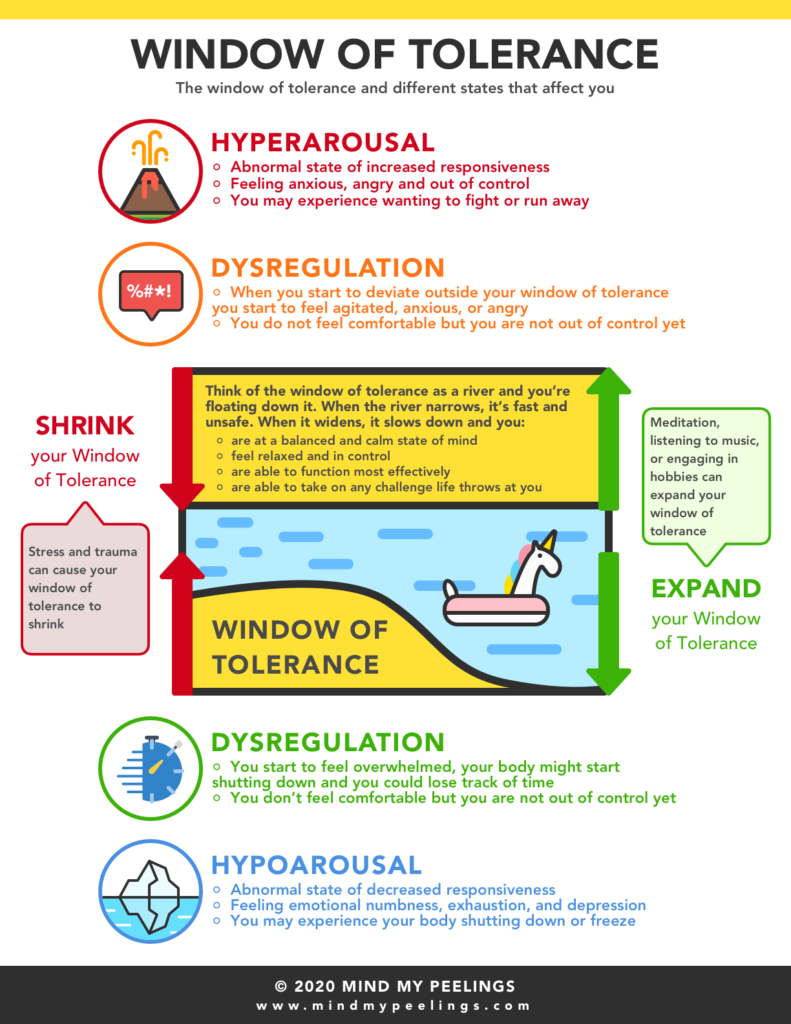
    If we can’t resolve the source of our fear in the short-term, this creates tension that we experience as anxiety and stress. Stay in this state for too long, and we can move into ‘hyper’ or ‘hypo’ arousal, and struggle to feel at peace or think clearly:


    Simple grounding exercises can be useful to help us self-regulate, reconnect to our body using our senses and bring our prefrontal cortex back online.

    Simple tools and techniques that are gentle and don’t demand much processing power are often the best – videos designed for children can be really helpful for this too…

    Some ideas you might like to try:

  • Changes to Routine: Finding Balance in Unfamiliar Times

    Changes to Routine: Finding Balance in Unfamiliar Times

    Human beings thrive on rhythm and predictability. Daily routines, whether it is the morning commute, school drop-offs, or simply knowing what comes next, give structure to our lives. They act as anchors in a busy world, helping us feel safe, grounded and in control.

    When routine is disrupted through events like losing a job, the arrival of summer holidays, or sudden life changes, we may experience:

    • A sense of uncertainty or loss of identity
    • Increased anxiety or low mood due to lack of structure
    • Difficulties with motivation and concentration
    • Feeling “out of sync” with others around us

    For those already living with stress, depression, ADHD, autism, or other forms of neurodivergence, these disruptions can be especially challenging.

    • Job loss or career change: The sudden loss of daily structure can bring both practical and emotional challenges.
    • School holidays: Parents and carers may find themselves juggling work, childcare, and self-care. Children may also struggle with the absence of predictable school routines.
    • Life transitions: Moving house, retirement, or illness can throw off familiar patterns and rhythms.

    Recognising that these disruptions are valid sources of stress is an important first step.

    Here are some simple strategies that can help you maintain balance when routines shift:

    Even small habits can restore a sense of structure. Try setting consistent times for waking up, meals, or short walks. These anchors give your body and mind reassuring signals.

    Calendars, planners, or phone reminders can help keep track of tasks and maintain rhythm. Families might benefit from a shared wall planner to balance responsibilities.

    When the bigger picture feels overwhelming, focus on simple goals such as “Today I will cook a meal” or “I’ll spend 10 minutes reading.” Completing these can boost motivation and self-esteem.

    Changes to routine can sometimes lead to isolation. Scheduling regular calls, meet-ups, or community activities can provide grounding and reduce loneliness. Of all the techniques, this is the most important of all.

    Practising short mindfulness exercises, even just paying attention to the breath for one minute, can help calm the nervous system and build tolerance for change.

    If changes to your routine are leaving you persistently low, anxious or overwhelmed, it may help to talk with someone you trust. For some, counselling can provide a supportive space to explore feelings and discover strategies that feel right for them.

    Life’s routines will always shift, sometimes gradually and sometimes suddenly. We cannot always control change, but we can prepare ourselves and manage the impact this has on our lives when change does come.

    Reaching out for connection, and treating ourselves with kindness can make times of transition feel more manageable.

  • Understanding Neurodivergence

    Understanding Neurodivergence

    Neurodivergence is a broad term that describes ways in which people’s brains may function differently from what is considered “typical”. These differences are not deficits or disorders in themselves – they are variations in how people experience, process, and respond to the world.

    Two of the most commonly recognised forms of neurodivergence are Autism Spectrum Disorder (ASD) and Attention Deficit Hyperactivity Disorder (ADHD). While often thought of separately, there is a great deal of overlap between them – especially among women and girls, whose experiences are often overlooked or misunderstood.


    ADHD and autism can look quite different from person to person, but they do share some key features:

    • Sensory sensitivity – becoming easily overwhelmed by sounds, lights, textures or smells.
    • Social difficulties – language and communication, reading social cues, understanding unspoken rules.
    • Executive functioning challenges – issues with organisation, planning, starting or finishing tasks, overactivity
    • Issues of regulation– difficulty with managing emotions, behaviours, focus and attention (such as hyperfocus or monotropic thinking).

    While someone might be diagnosed with either ADHD or autism, many people meet the criteria for both. Recent research suggests that a significant number of people with ADHD also show autistic traits, and vice versa.

    The overlap between ADHD and autism (ASD) is significant, although the exact percentage varies depending on the study, population, and diagnostic criteria used. Based on some of the best peer-reviewed research available, with studies using meta-analysis and large clinical samples, an approximate guide to findings1 at present is:

    • Around 50% of people with autism are likely to also have ADHD (range: 16%-75%)
    • Roughly a quarter to a third of people with ADHD may also have autism (range: 18-50%)

    In summary, someone who is neurodivergent is more likely to have both ADHD and Autism (commonly referred to as AuDHD) than to have just one of these conditions.

    Given the high rate of co-occurrence, shared traits and overlapping genetic links, these two diagnoses may actually exist along a broader neurodevelopmental spectrum – with each person expressing a unique blend of traits.

    Many neurodivergent people diagnosed with AuDHD experience this as a genuine overlap, rather than two separate conditions. While some lean more towards ADHD-type traits (such as impulsivity, experience-seeking, or distractibility), others may identify more with autism-related traits (like deep focus, overthinking, or heightened sensitivity to sensory input).

    Having been diagnosed around five years ago, I’ve come to understand the core experience of AuDHD as an ongoing internal negotiation — a kind of push and pull between competing forces: the need for excitement and stimulation, and the craving for predictability and order.


    For women and girls, being neurodivergent often goes unnoticed due to a number of factors.

    Females often have an increased aptitude for masking neurodivergent traits from an early age. Masking is the conscious or unconscious imitation of others’ behaviour — a way of blending in by mimicking social norms, expressions, or patterns of speech. Over time, masking can become second nature — not simply a habit, but a survival strategy.

    Girls tend to be especially adept at this, largely due to a mix of social, developmental, and cultural influences. From a young age, they are often encouraged to be polite, agreeable, emotionally aware, and socially tuned in. Many internalise strong pressure to avoid standing out, causing disruption, or being seen as “difficult”.

    Many autistic or ADHD girls develop camouflaging strategies, such as:

    • Copying peers to navigate social situations, mimicking tone, gestures, voice, style and appearance.
    • Rehearsing conversations or facial expressions (including forced eye contact)
    • Hiding overwhelm, anxiety, or confusion to appear “normal”.

    While it may help someone to avoid standing out, this often comes at a cost and can lead to:

    • Exhaustion and burnout
    • Anxiety and depression
    • Loss of identity and low self-esteem
    • Other mental health struggles later in life.

    Neurodivergent traits in girls are more likely to show up different, such as daydreaming rather than hyperactivity (in ADHD), and shyness or intense interests rather than overt social withdrawal (in autism).

    These are often mistaken for personality quirks rather than signs of neurodivergence. As a result, girls are less likely to be flagged for assessment, especially in childhood.

    Much of the early research and diagnostic criteria for autism and ADHD was also based on boys, and girls whose traits don’t fit those patterns often go unrecognised or are misdiagnosed.

    Many are first given labels like anxiety, depression, or eating disorders or may later be misdiagnosed with a personality disorder (usually BPD). Some are told they’re “too sensitive”, “too much”, or “overthinking”. For many women and non-binary people, an accurate understanding of their neurodivergence doesn’t come until adulthood, if at all.


    Neurodivergence isn’t limited to ADHD or autism. Other neurological differences also shape how people think and feel. These include:

    • Dyslexia – difficulty with reading and language processing.
    • Dyscalculia – difficulty understanding numbers and mathematical concepts.
    • Dysgraphia – challenges with handwriting and written expression.
    • Alexithymia – difficulty noticing, identifying and describing one’s emotions or bodily sensations (low sense of interoception).
    • Aphantasia – an inability to voluntarily visualise or form mental images (e.g. faces, places, objects etc).
    • Auditory Processing Disorder (APD) – difficulty in processing or understanding sounds or speech, especially in noisy environments.
    • Obsessive Compulsive Disorder (OCD) – intrusive thoughts and compulsions that can severely impact daily life.
    • Pathological Demand Avoidance (PDD) – An extreme need for autonomy and avoidance of everyday demands due to high anxiety.

    Some of these conditions can overlap with ADHD and autism. For example, alexithymia and pathological demand avoidance (PDD) are more common in people with autism, and OCD shares some features with autism, such as repetitive behaviours.
    Research into these links is ongoing, and we’re learning more all the time.


    Not all neurodivergence is present from birth. For some, neurological changes can emerge as a result of early or prolonged trauma (Complex PTSD).

    This might include:

    • Chronic childhood stress or neglect
    • Emotional or physical abuse
    • Disrupted relationships and early attachments

    These experiences can shape how the brain develops and how a person processes emotions, relationships, and sensory information – sometimes in ways that closely resemble ADHD or autism.


    • Being neurodivergent is not a flaw. It’s a difference – sometimes challenging, often beautiful.
    • Support matters. Whether through counselling, diagnosis, or simply understanding yourself better, it’s okay to ask for help.
    • Many people live for years without understanding why day-to-day life can feel so challenging – and find clarity, peace, and strength once they do.

    Affordable Counselling Network offers low-cost online therapy for individuals. If you’re navigating neurodivergence, diagnosed or not, and would value a supportive space to explore your experiences, please feel welcome to get in touch.


    1 Data Sources:

  • Mindfulness Techniques for Mental Well-Being

    Mindfulness Techniques for Mental Well-Being

    In today’s fast-moving world, it’s easy to feel overwhelmed by stress, anxiety, and constant mental noise. Mindfulness offers a way to slow down, reconnect with the here and now, and support our emotional and mental well-being. Far from being just a trend, mindfulness is a research-backed practice used in therapeutic settings to help manage anxiety, low mood, and emotional overwhelm.

    For many people, mindfulness can be a valuable companion to counselling or online therapy — providing simple, grounding tools that offer support in everyday life.

    Mindfulness is the practice of paying attention to the present moment with openness and without judgement. It has deep roots in Buddhist traditions, but is now widely used in psychological approaches, like MBCT (Mindfulness-Based Cognitive Therapy).

    When practiced regularly, mindfulness can help regulate emotions, reduce stress, and improve clarity of thought — making it easier to respond to life’s challenges with calm and perspective.

    Neuroscience offers fascinating insights into how mindfulness works. Brain imaging studies show that regular mindfulness practice can strengthen the prefrontal cortex (linked to focus, emotional regulation, and decision-making), while calming the amygdala, which governs our fear and stress responses.

    Mindfulness has also been shown to reduce levels of cortisol, the stress hormone — which has benefits not just for mental health, but for the body as well.

    People who practice mindfulness often feel more present and less reactive, and can find it easier to cope with difficult thoughts or emotions when they arise.


    Here are a few easy ways to bring mindfulness into your daily routine:

    Note: If you’ve experienced trauma, you may find body work uncomfortable or overwhelming. People with Alexithymia also struggle to notice and identify feelings and sensations in their body and can find these type of exercises frustrating. Only attempt what you feel safe and comfortable to do, and as with any new skill, it takes time to learn so don’t worry how much or little you manage.

    A foundational practice that helps calm the nervous system.

    • Sit or lie comfortably and close your eyes.
    • Inhale slowly through your nose for a count of four.
    • Pause for a moment.
    • Exhale gently through your mouth.
    • Focus on the sensation of your breath.

    If your mind wanders, gently bring your attention back to your breath — no judgement needed.

    Just a few minutes a day can make a difference.

    This practice builds awareness of physical tension and sensation.

    • Start at your toes and move slowly upward, noticing each part of your body.
    • Notice any sensations — warmth, tension, or discomfort — without trying to change them.
    • Allow your body to relax as you go.

    Ideal for moments of anxiety or overwhelm.

    • 5 things you can see
    • 4 things you can touch
    • 3 things you can hear
    • 2 things you can smell
    • 1 thing you can taste

    This technique engages the senses to help anchor you in the here and now.

    Turn a simple walk into a calming practice.

    • Walk slowly and pay attention to each step.
    • Feel the ground beneath your feet.
    • Notice sounds, textures, and movements around you.

    Let go of the need to get somewhere — just be present with the experience.

    Writing can be a mindful act too.

    • Let your emotions or thoughts flow freely without the need to sensor or edit them first.
    • Try starting or ending the day by listing three things you’re grateful for.
    • Notice any patterns or insights as you write.
    • If words feel difficult, trying doodling or grab some colours to see what comes up.

    For those engaged in counselling, mindfulness can enhance the therapeutic process. It helps develop awareness of your internal world — thoughts, emotions, sensations — making it easier to work with them in therapy.

    Many counsellors now integrate mindfulness techniques into sessions or suggest exercises between appointments. This can empower you with practical tools to manage stress in the moment and build long-term emotional resilience.


    If you’re exploring support for your mental health, integrating mindfulness into your routine is a compassionate place to start.

    Mindfulness is a gentle, powerful way to support your mental wellbeing. It doesn’t need to be perfect or take long — just a willingness to pause, notice, and return to the present when your mind wanders.

    Whether practiced on its own or alongside counselling, mindfulness can foster self-awareness, reduce anxiety, and help you feel more grounded in daily life. Like any new habit, it takes time — but with consistency, the benefits can be profound.

  • Coping with Change: How to Navigate Life’s Transitions

    Coping with Change: How to Navigate Life’s Transitions

    Coping with Change: How to Navigate Life’s Transitions

  • Nature’s Therapy

    Nature’s Therapy

    With spring in the air and longer daylight hours arriving, this is the perfect opportunity to head outdoors!

    Spending time outside and connecting with nature in any way you can is incredibly beneficial for your body, and mental health.

    Research shows that being in nature can reduce stress, lift your mood, and improve your overall wellbeing.
    Chemicals released naturally by plants and trees called Phytoncides and Terpenes help to strengthen our immune, hormonal, circulatory and nervous systems as we breathe them in. You may have heard of Shinrinyoku, or forest bathing, which is the Japanese practice of taking a gentle visit into nature for the many health benefits this brings.

    If you’re in counselling or thinking about starting soon, then adding some outdoor time to your self-care routine can really help with emotional resilience and healing.

    Even if you live in a city, there are still plenty of ways to bring nature into your routine:

    • Go for a daily walk in your local park or green space.
    • Spend time gardening or caring for indoor plants.
    • Practice mindfulness outdoors, sit quietly and observe the world around you.
    • Exercise outside, whether it’s a jog, yoga session, or relaxed walk.
    • Plan outdoor social activities, like picnics or group walks.
    • Visit the seaside if you can, or find a nearby river, lake or nature reserve.

    Spending time in green spaces can do wonders for your mind. Whether it’s a walk in the park, a stroll in the woods, or simply sitting in a garden, nature has a calming effect. Here are some of the ways it can boost your mental health:

    Time spent in nature has been shown to lower cortisol, the hormone linked to stress. Natural surroundings encourage relaxation by activating your parasympathetic nervous system, which helps you unwind. Sounds like birdsong, rustling leaves, and flowing water can have a meditative effect, helping to calm your mind and reduce anxiety. The Mental Health Foundation highlights the positive impact of nature on mental health.

    Being outside can boost your serotonin and dopamine levels — the neurotransmitters that help you feel happier and more balanced. Sunlight also helps regulate your circadian rhythms, which can improve sleep quality and energy levels, both of which are essential for mental well-being. According to Mind UK, connecting with nature can play a key role in managing depression and boosting overall mental health.

    If you’ve been feeling foggy, overwhelmed or burnt out, stepping into nature can give your brain a reset. Studies show that green spaces help improve our focus and cognitive function, giving your mind a chance to recover from daily stresses.

    Natural England talks about the power of Green Social Prescribing, and have conducted their own research into how green spaces can enhance cognitive performance and overall well-being, you can read more about it here

    Being outside naturally encourages mindfulness—that sense of being present in the moment. Whether you’re feeling the warmth of the sun, listening to birds, or noticing the colours of spring flowers, nature invites you to slow down and take it all in.

    Being in nature encourages mindfulness — the practice of staying present and engaged in the moment. Feeling the warmth of the sun, listening to the birds, or noticing the vibrant colours of spring flowers all draw our attention to the present.

    The National Trust encourages walking in nature as a great way to manage stress, improve our sleep help to feel more relaxed.

    Whether you’re walking, cycling, or just stretching outdoors, moving your body releases endorphins—your brain’s natural mood boosters.

    Exercising outside offers a double benefit: the physical movement plus the calming effect of your surroundings. Even gentle activities like yoga in the park or a casual stroll can make a big difference.
    The RSPB suggests that spending time near water, such as rivers or the seaside, can be especially calming.

    Best of all, nature is free to enjoy, no pricey memberships required!

    Engaging with nature can be a valuable addition to therapy if you are accessing or seeking counselling. Nature provides a calm and grounding environment to complement the work you’re already doing as part of your therapy.

    Many groups like The Woodland Trust promote the positive impact of green spaces on mental well-being.

    Take a moment to step outside when you can, breathe in the fresh air, and let nature work its magic.

  • Navigating Relationship Issues

    Navigating Relationship Issues

    Valentine’s Day often highlights love and connection, but for many it can also be a reminder of relationship struggles.

    Whether you’re single, in a relationship, or recently out of one, the pressure to conform to the idealised notion of romance can feel overwhelming. The perfectly curated social media posts, grand romantic gestures, and commercialised expectations of love can make those experiencing relationship difficulties feel isolated or inadequate.

    The reality however, is that relationships — romantic, familial, or platonic — are complex and challenging.

    Each one of us brings our own experiences, emotions, and patterns into our relationships, which can sometimes lead to misunderstandings or conflict. While it’s easy to blame external circumstances or others, the key to healthier relationships often starts with looking inward. This is where individual counselling can make a real difference.

    The Challenges of Modern Relationships

    Relationships can be a source of immense joy and fulfilment, but they can also bring stress, insecurity, and heartbreak. Miscommunication, unresolved past experiences, or difficulties in setting boundaries are just a few of the factors that can lead to tension. And when emotions run high, it’s not uncommon to feel stuck in a cycle of frustration or self-doubt.

    For some, these challenges might stem from past experiences, such as growing up in an environment where healthy relationships were not modelled. Others may struggle with self-esteem issues, making it difficult to trust or feel secure in relationships. External pressures, such as work stress or financial concerns, can also strain connections, even when both parties have the best intentions.

    Valentine’s Day, with its emphasis on romantic perfection, often magnifies these feelings. For many, it’s not about flowers and chocolates but navigating the complex emotions that relationships—or the absence of them—can bring. If you’ve ever found yourself dreading the day rather than celebrating it, you’re not alone. It’s a common experience, and one that highlights the importance of self-reflection and personal growth in the context of relationships.

    Why Focus on Individual Counselling?

    At Affordable Counselling Network, we understand that working on your own well-being is key to improving your relationships, whether romantic, familial, or platonic. While couples counselling is often seen as the go-to solution for relationship issues, individual counselling can be just as, if not more, effective. After all, every relationship you have is influenced by your own thoughts, feelings, and behaviours.

    Individual counselling offers a safe, supportive space to explore your feelings, identify patterns, and develop healthier ways of relating to others. Rather than focusing on the dynamic between two people, it’s an opportunity to delve into your own experiences and how they shape your relationships. By addressing personal challenges, you can improve not only your connections with others but also your overall sense of self-worth and confidence.

    How Individual Online Counselling Can Help

    Through  online counselling, you can work on several key areas that influence your relationships:

    • Understanding relationship patterns: Often, we repeat patterns in relationships without realising it. These may include choosing similar types of partners, reacting in specific ways during conflict, or struggling to maintain boundaries. A counsellor can help you uncover these patterns and understand their roots, enabling you to make conscious changes.
    • Building self-awareness: Counselling allows you to gain insight into your emotions, triggers, and communication style. When you understand why you react a certain way or why certain situations make you feel vulnerable, you’re better equipped to navigate relationships more effectively.
    • Healing from past experiences: Many relationship challenges stem from unresolved past hurts, whether from previous relationships, childhood, or other significant life events. Counselling provides a space to process these experiences and heal, freeing you from their influence.
    • Enhancing self-confidence: Feelings of inadequacy or fear of rejection can hold you back in relationships. Counselling can help you build a stronger sense of self, empowering you to approach relationships with confidence and authenticity.
    • Setting healthy boundaries: Boundaries are essential for healthy relationships, but many people struggle to establish or maintain them. Counselling can help you define what’s important to you and how to communicate your needs effectively without guilt or fear.

    The flexibility of online counselling means you can access support wherever you are, making it easier to prioritise your mental health amidst life’s demands. Whether you’re managing a hectic work schedule, caring for loved ones, or simply juggling day-to-day responsibilities, online sessions provide a convenient way to focus on yourself.

    A Valentine’s Gift to Yourself

    This Valentine’s Day, consider focusing on the most important relationship in your life: the one you have with yourself. Investing in individual counselling can be a transformative step towards understanding your needs, healing from past hurt, and creating stronger connections with others. By working on yourself, you’re not only improving your relationships but also fostering a greater sense of personal fulfilment and happiness.

    Remember, love isn’t always easy, and it doesn’t always look the way it does in films or on social media. True love—whether for yourself or others—requires patience, effort, and self-compassion. If you’re struggling with relationship issues, online counselling offers a discreet and flexible way to find clarity and support.

    Because when you invest in yourself, every relationship in your life can benefit.

    This Valentine’s Day, give yourself the gift of growth, healing, and self-discovery. You deserve it.