Category: Wellbeing

  • Why Do I Keep Repeating the Same Patterns in Relationships?

    Why Do I Keep Repeating the Same Patterns in Relationships?

    Estimated reading time: 5 minutes

    Have you ever found yourself in different relationships, yet somehow the same feelings keep showing up?

    Maybe it’s:

    • Feeling not good enough
    • Fear of being abandoned
    • Overgiving to feel valued
    • Pulling away when things get close

    It can feel confusing — even frustrating. You might wonder, “Why does this keep happening to me?”

    The answer is rarely about “bad choices” or “being broken.”
    More often, it’s about patterns your mind and body have learned over time.

    And importantly:
    You cannot heal what you don’t understand.


    Relationship patterns are repeated ways of thinking, feeling, and behaving in connection with others.

    They often operate automatically, outside of conscious awareness.

    For example:

    • Chasing unavailable partners
    • Avoiding vulnerability
    • People-pleasing to maintain connection
    • Becoming anxious when there’s distance
    • Shutting down during conflict

    These patterns aren’t random. They are adaptations — shaped by your earlier experiences of connection.


    1. Early Attachment Experiences

    Our first relationships (often with caregivers) shape how we understand:

    • Love
    • Safety
    • Trust
    • Emotional needs

    If connection felt inconsistent, overwhelming, or unsafe, your system may have adapted in ways that once made sense.

    For example:

    • If love felt unpredictable → you may become anxious or hyper-aware of rejection
    • If closeness felt overwhelming → you may learn to withdraw or shut down
    • If your needs weren’t met → you may overgive or minimise yourself

    These adaptations don’t disappear with time.
    They often follow us into adult relationships.


    Your nervous system is wired to seek what feels familiar, not necessarily what is healthy.

    Even painful dynamics can feel:

    • Recognisable
    • Predictable
    • Strangely “right”

    Because they match what your system has learned to expect.


    Over time, experiences shape core beliefs, such as:

    • “I’m not enough”
    • “I’ll be abandoned”
    • “I have to work for love”
    • “My needs are too much”

    These beliefs influence who you choose, what you tolerate, and how you respond.


    close up picture of two people holding hands.

    One way these patterns show up is through something called the Drama Triangle (a concept from Transactional Analysis).

    It describes three roles people can unconsciously move between in relationships:

    • The Rescuer – “I need to fix or help others to feel valued.”
    • The Victim – “This always happens to me; I feel powerless.”
    • The Persecutor – “This is your fault; I feel angry or critical.”

    These roles aren’t fixed — people often shift between them.

    For example:

    • You may start as the rescuer, overgiving and supporting
    • Then feel unappreciated and move into victim
    • Then become frustrated or critical (persecutor)

    And the cycle continues.

    The Drama Triangle isn’t about blaming — it’s about understanding relational survival strategies.

    Each role is trying to meet a need:

    • The rescuer seeks worth and connection
    • The victim seeks safety and support
    • The persecutor seeks control or protection

    Often, these roles develop in environments where needs weren’t consistently met or safely expressed.

    So instead of directly saying:

    • “I need support”
    • “I feel hurt”
    • “I need space”

    We act them out through these roles.


    Patterns repeat because they are:

    • Automatic
    • Familiar
    • Protective

    Even the Drama Triangle can feel familiar — especially if similar dynamics existed in early relationships.

    Without awareness, we can stay caught in cycles of:

    • Overgiving → resentment → conflict
    • Feeling powerless → seeking rescue → disappointment
    • Criticism → defensiveness → disconnection

    Change doesn’t begin with forcing yourself to act differently.

    It begins with noticing:

    • “Am I over-rescuing right now?”
    • “Do I feel powerless in this moment?”
    • “Am I reacting from hurt or trying to control?”

    And gently asking:

    “What do I actually need here?”


    Healing involves stepping out of these roles and into more grounded ways of relating:

    • From rescuer → to supporter with boundaries
    • From victim → to someone with agency and voice
    • From persecutor → to assertive and honest communication

    This isn’t about getting it “right.”
    It’s about becoming more aware, and gradually responding differently.


    Understanding your patterns is powerful — but change takes time.

    Because these responses are rooted in the nervous system, not just conscious thought.

    Healing involves:

    • Repetition
    • Emotional safety
    • New relational experiences

    1. Notice your role in the moment

    Are you rescuing, withdrawing, blaming, or overgiving?

    2. Pause and reflect

    What am I feeling underneath this?

    3. Identify the need

    Is it reassurance, space, support, or validation?

    4. Practice expressing it directly

    This can feel uncomfortable at first — that’s okay.

    5. Build safe relationships

    Consistent, respectful connections help rewrite patterns.


    Working with a therapist can help you:

    • Recognise patterns like the Drama Triangle
    • Understand your attachment style
    • Develop healthier ways of relating
    • Build emotional regulation and boundaries

    Repeating patterns in relationships doesn’t mean you’re broken.
    It means your system has learned ways to survive, connect, and protect.

    But those patterns are not fixed.

    And when you begin to understand them — including roles like the Drama Triangle — something shifts.

    You move from reacting automatically
    to responding with awareness.

    And from there, change becomes possible.

    https://affordablecounsellingnetwork.artemisdevserver.com/


  • Eating Disorder Awareness Week: When Eating Becomes a Way of Coping

    Eating Disorder Awareness Week: When Eating Becomes a Way of Coping

    Eating can gradually become a way of coping with stress, burnout, trauma, or emotional overload. Disordered eating doesn’t always meet the criteria for an eating disorder, but it can still feel distressing and difficult to manage.

    Comfort eating is a common and understandable form of emotional regulation, often rooted in memory and early experiences of care. It becomes a concern when food feels like the only coping strategy, or when eating is followed by shame, guilt, restriction, or loss of control.

    If eating feels emotionally loaded, secretive, or stressful, that matters — even if your weight hasn’t changed. More severe symptoms, significant restriction, purging, rapid weight loss, or physical risk require specialist support.

    You don’t need a diagnosis or to be underweight to deserve help.

    Multiple wooden spoons of different colours

    Eating Disorder Awareness Week encourages us to talk openly about eating difficulties, not only diagnosed eating disorders, but also the quieter, less visible ways people struggle with food.

    For many people, eating changes during periods of stress, burnout, trauma, or emotional overload. It can slowly shift from being about hunger and nourishment to being about coping. These changes are often confusing and easy to dismiss, especially if they don’t fit what we imagine an eating disorder looks like.

    This article is written for people who may be experiencing disordered eating or comfort eating, and who are wondering whether their relationship with food is still supporting them — or beginning to feel difficult.

    Disordered eating and eating disorders are related, but they are not the same.

    Disordered eating refers to patterns of eating that feel distressing, emotionally driven, or hard to manage, but that don’t meet diagnostic criteria for an eating disorder. These patterns are common, especially during periods of stress, and often develop as ways of coping.

    Eating disorders, such as anorexia nervosa or bulimia nervosa, are serious mental health conditions that involve significant medical and psychological risk and require specialist treatment.

    Disordered eating can exist without becoming an eating disorder, and many people experience it at some point in their lives.
    It still deserves attention and care, even if it doesn’t come with a diagnosis.

    Disordered eating sits on a spectrum. It may include experiences such as:

    • Eating in response to stress, anxiety, or emotional discomfort
    • Using food to soothe, numb, or distract
    • Skipping meals unintentionally or deliberately
    • Feeling out of control around food
    • Eating past fullness and feeling guilt or shame afterwards
    • Rigid food rules or “good/bad” thinking
    • Feeling disconnected from hunger or fullness cues

    These patterns often develop gradually, and many people live with them for years without naming them as disordered, particularly if their weight or appearance hasn’t changed.

    Comfort eating is one of the most common, and most misunderstood, coping strategies.

    Food can offer:

    • Sensory grounding
    • Familiarity and predictability
    • Emotional soothing
    • Relief when things feel overwhelming

    For people who are emotionally overloaded or exhausted, eating can become one of the most accessible ways to regulate.

    The difficulty usually isn’t comfort eating itself. It tends to arise when food becomes the only coping strategy available, or when eating is followed by intense self-criticism, shame, or attempts to compensate.

    Comfort eating is rarely random.

    Many of us reach for foods that are deeply familiar, often the same foods we were given as children when we were ill, upset, tired, or in need of care. Soft textures. Warm meals. Foods that required little effort or decision-making.

    If you notice that when you’re struggling, you gravitate towards these foods, that isn’t a lack of control. It’s memory.

    Food is one of the earliest ways many of us experienced care. Over time, the body learns to associate certain foods with safety and reassurance. When life feels overwhelming, your nervous system may reach back to what once helped, not because you’re failing, but because you’re trying to feel safe.

    Disordered eating is often noticed not because of what someone eats, but because of how it feels.

    You might recognise experiences such as:

    • Eating on autopilot
    • Feeling disconnected while eating
    • Hiding eating habits or eating in secret
    • Cycling between comfort eating and restriction
    • Feeling anxious, guilty, or ashamed around food
    • Feeling preoccupied with eating or not eating

    If eating has become emotionally loaded or stressful, that matters — even if you appear “fine” from the outside.

    Periods of stress and burnout commonly affect eating. Appetite can fluctuate, routines fall away, and food becomes either harder to manage or more relied upon.

    This is especially common for people who are:

    • Living with chronic stress
    • Neurodivergent
    • Emotionally overextended
    • Managing trauma or grief
    • Carrying multiple responsibilities with limited support

    In these contexts, eating patterns are often less about food itself and more about coping capacity.

    In the therapy room, disordered eating and comfort eating rarely arrive on their own.

    People often come wanting to talk about stress, exhaustion, relationships, burnout, or feeling disconnected from themselves.
    Food enters the conversation gradually, sometimes with embarrassment or apology. What we often see is not a problem with food, but a person who has been coping for a long time.

    Eating becomes a place where everything that hasn’t had space elsewhere finally lands: overwhelm, unmet needs, grief, depression, loneliness, or pressure. For many, therapy is the first place these patterns are spoken about without judgement or pressure to change.

    When eating difficulties are present, accessing support can feel daunting.

    Online counselling can reduce barriers such as travel, sensory overload, and the effort involved in attending appointments. For some people, being in a familiar environment makes it easier to speak openly about food, emotions, and coping patterns.

    BMI has limitations and does not reflect emotional distress or relationship with food. However, clinicians do use it as one indicator of physical safety.

    In adults:

    • A BMI below 18.5 is considered underweight
    • A BMI around 17 or below usually prompts concern and referral to specialist eating disorder services
    • A BMI below 15 is widely recognised as medically dangerous and often requires urgent specialist care

    These numbers are not measures of worth or severity, they are used solely to assess physical risk and determine the level of care needed.

    If restriction, purging, rapid weight change, or physical symptoms such as dizziness or fainting are present, specialist support is essential. Importantly, many people with eating disorders never reach these thresholds. You don’t have to be underweight to deserve help.

    Some eating-related difficulties require specialist medical and therapeutic care, and it’s important to be clear about this.

    Eating disorders, such as anorexia nervosa and bulimia nervosa, involve significant physical and psychological risk.
    As a result, those experiencing severe symptoms of such conditions are not presentations that ACN can always support directly.

    If you are concerned that your eating difficulties may be more serious, the following UK organisations can help:

    Beat Eating Disorders
    The UK’s leading eating disorder charity, offering confidential helplines and webchat.
    https://www.beateatingdisorders.org.uk/

    SEED (Support and Empathy for Eating Disorders)
    Provides education, advocacy, and support for people affected by eating disorders.
    https://www.seedeatingdisorders.org.uk/

    A GP can also assess risk and arrange referrals to NHS eating disorder services.

    It is often a response to stress, emotional overload, or unmet needs, especially in a culture that places moral value on food and bodies.

    Eating Disorder Awareness Week is an invitation to notice these patterns with curiosity rather than judgement, and to seek support before things become harder.

    If this resonates, you’re not alone and support is available 💛

    • Eating can gradually become a coping strategy during stress, burnout, trauma, or emotional overload.
    • Disordered eating does not require a diagnosis to deserve attention or support.
    • Comfort eating is a common form of emotional regulation and often linked to memory and early experiences of care.
    • Eating becomes more concerning when it feels out of control, secretive, or is followed by shame, guilt, or restriction.
    • BMI does not measure emotional distress, but significant physical risk requires specialist support.
    • You do not need to be underweight or severely unwell to seek help.

  • Self-Love and Mental Health: Why It Matters

    Self-Love and Mental Health: Why It Matters

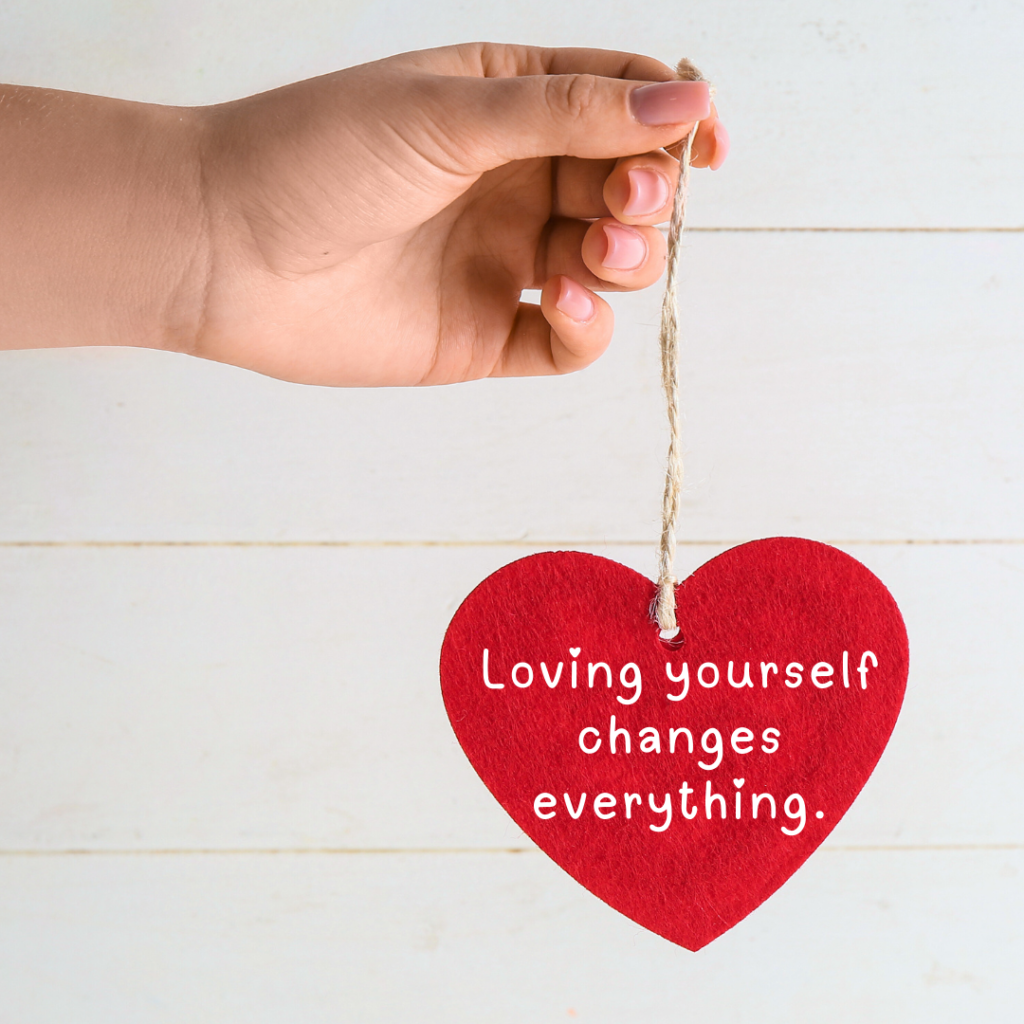
    Woman's hand holding a fabric heart that says "Loving yourself changes everything"

    In today’s fast-paced and demanding world, it’s easy to lose sight of one’s own needs. Between work commitments, family responsibilities, and societal expectations, we often prioritise everything and everyone else over ourselves. Yet, neglecting self-love can have significant consequences for our mental health.

    Self-love is not about vanity or selfishness; it’s about recognising your worth, treating yourself with kindness, and making choices that nurture your well-being. When you cultivate self-love, you build a foundation for a healthier mind and a more fulfilling life. In this blog post, we’ll explore what self-love means, why it matters for mental health, and how you can begin to embrace it.

    What Is Self-Love?

    Self-love can be defined as the practice of valuing and caring for yourself. It’s about accepting who you are, including your strengths and imperfections, and prioritising your mental, emotional, and physical well-being. Self-love involves:

    • Setting boundaries: Protecting your energy and not sacrificing your well-being to please others
    • Practising self-compassion: Being kind to yourself, especially during challenging times.
    • Acknowledging your achievements: Celebrating your successes, no matter how small they may seem.
    • Taking care of your body and mind : Ensuring you eat well, exercise, getting enough rest and having someone to talk to.

    Why Self-Love Matters for Mental Health

    1. Reduces Stress and Anxiety

    When you practice self-love, you’re more likely to set boundaries that protect you from unnecessary stress. You’re less inclined to over-commit or take on responsibilities that overwhelm you. By prioritising your well-being, you create space to recharge and manage anxiety more effectively.

    1. Improves Self-Esteem

    Self-love fosters a positive self-image. When you value yourself, you’re less likely to engage in self-criticism or compare yourself to others. This improved sense of self-worth can boost your confidence and help you navigate life with greater resilience.

    1. Enhances Relationships

    Loving yourself helps to build healthier relationships with others. Setting boundaries and communicating your needs leads to more balanced and fulfilling connections.

    When you respect and value yourself, you attract people who treat you with the same respect.

    1. Promotes Emotional Resilience

    Life is full of challenges, and self-love equips you with the tools to handle them.

    Being kind to yourself means allowing room for setbacks without turning them into self-criticism. It’s approaching challenges with curiosity and a problem-solving mindset, rather than defaulting to blame.

    1. Supports Overall Well-Being

    Self-love involves making intentional choices that support your mental, emotional, and physical health.

    That might mean building in proper rest, setting aside time to reset, or reaching out for professional support when you need it. These practical acts of care form the foundation of sustainable wellbeing.

    Hand touching a mirror to create a heart shape

    Cultivating Self-Love

    Counselling can play a meaningful role in strengthening self-worth and supporting your mental health. Professional support offers both structure and space to explore what may be getting in the way of treating yourself with care.

    Here are several ways it can make a difference:

    1. Uncovering Unhelpful Patterns

    Therapy helps you notice recurring thought patterns or core beliefs that undermine self-worth.
    With guidance, you can examine how past experiences, internalised criticism, or perfectionist standards may be shaping the way you relate to yourself, and begin to shift those patterns.

    1. Building Self-Awareness

    Counselling provides a confidential, reflective space to better understand your emotions, behaviours, and triggers. Developing this awareness clarifies your needs and values, making it easier to respond to yourself with intention rather than reactivity.

    1. Developing Healthy Coping Strategies

    A therapist can support you in building practical tools for managing stress, anxiety, and other challenges. Approaches such as grounding techniques, structured reflection, or breathwork can help you navigate difficulty with greater steadiness and self-compassion.

    1. Prioritising Self-Care

    When life feels demanding, self-care is often the first thing to be scratched off the list. Therapy can help you to focus yourself, and creating sustainable routines that protect your energy and mental health.

    1. Providing Validation and Support

    For those who experience guilt, shame, or feelings of unworthiness, counselling offers a non-judgmental environment where your experiences are heard and taken seriously. Being met with empathy and professional support can gradually strengthen your sense of worth and self-acceptance.

    How to Cultivate Self-Love

    If self-love doesn’t come naturally, that doesn’t mean it isn’t possible. It’s a skill that you can develop over time through small, steady changes.

    Here are some practical steps to get started:

    1. Be kinder to yourself

    Notice how you speak to yourself, especially when things go wrong. Try to replace harsh self-criticism with something more understanding. You don’t have to be perfect to be worthy of compassion.

    Treat yourself the way you would a close friend who needs support.
    Instead of “I got it wrong,” try, “I’m doing my best, and I can learn from this.”

    2. Set Healthy Boundaries

    It’s okay to say no. Learn to turn down commitments that don’t align with your values or needs.

    Setting boundaries is not about pushing people away. Protecting your time and energy lets you show up more fully in the areas that matter most.

    3. Celebrate Your Achievements

    Take time to acknowledge your accomplishments, no matter how small they may seem. Whether it’s completing a project at work or simply getting through a tough day, celebrate your efforts and remind yourself of your strengths.

    4. Make space for Self-Care

    Self-care doesn’t have to be elaborate to be meaningful. Think of it as a necessity, not a luxury.
    Prioritise the basics that support your wellbeing: rest, movement, quiet time, connection, or professional support if you need it.

    5. Reach out when you need support

    You don’t have to manage everything alone, there’s no shame in asking for help.
    Speaking to a friend, joining a group, or working with a counsellor can remind you that your needs matter.

    6. Practice Gratitude

    Gratitude shifts your focus from what you lack to what you have. Each day, take a moment to reflect on three things you’re grateful for. This simple practice can improve your mood and help you develop a more positive outlook.

    7. Create a Morning Ritual

    Starting your day with self-love can set the tone for the hours ahead. Consider establishing a morning ritual that focuses on your well-being. This could be as simple as practising mindfulness for five minutes, stretching your body, or writing down positive affirmations. Small rituals can have a big impact on how you perceive yourself and the day ahead.

    8. Challenge negative beliefs

    Many of us carry negative beliefs about ourselves that were formed in childhood or through difficult life experiences.
    With support, these patterns can change.

    Counselling may help you to identify these thought patterns, and gently question where they came from and how accurate they really are.

    9. Do things that bring you joy

    Make time for activities that feel enjoyable or meaningful, simply because they matter to you.
    When was the last time you did something purely because it made you happy?

    Engaging in activities that bring you joy is an important way to honour yourself. Whether it’s painting, dancing, or exploring new hobbies, giving yourself permission to enjoy life is an act of self-love.

    Overcoming Barriers to Self-Love

    For many people, self-love can feel uncomfortable or even selfish, especially if you’ve been conditioned to prioritise others over yourself.

    You might feel guilty for setting boundaries, taking time for yourself, or acknowledging your own needs. It’s important to challenge these beliefs and recognise that self-love is not about neglecting others, it’s about ensuring you’re in a good place to support those around you.

    If feelings of guilt or unworthiness feel deeply rooted, therapy can help you explore where they began and support you in building a healthier relationship with yourself. You might explore past experiences, cultural influences, or negative self-talk that have shaped your beliefs about self-worth.

    Practising self-love doesn’t have to be overwhelming. Start small:
    Challenge negative self-talk – Notice when you’re being self-critical and replace those thoughts with kinder, more compassionate ones.
    Set boundaries – Prioritise your own well-being by saying no when needed and protecting your time and energy.
    Engage in self-care – Whether it’s a quiet moment with a book, a walk in nature, or simply resting when you need to, small acts of self-care reinforce self-worth.
    Surround yourself with positivity – Spend time with those who uplift and support you rather than drain your energy.

    Be patient with yourself and remember that valuing your own needs isn’t selfish, it’s essential.
    Self-love isn’t a destination you arrive at. It’s a practice.

    Key Takeaways

    • Self-love is essential for mental health; it involves valuing yourself and making choices that nurture well-being.
    • Practicing self-love can reduce stress, improve self-esteem, enhance relationships, and promote emotional resilience.
    • Counselling plays a significant role in cultivating self-love by helping uncover unhelpful patterns and developing healthy coping strategies.
    • To cultivate self-love, set healthy boundaries, practice gratitude, and engage in activities that bring joy.
    • Overcoming barriers to self-love is crucial; it’s not selfish but necessary for supporting others effectively.