Tag: affordable counselling uk

  • Ego States

    Understanding Ego States in Transactional Analysis (TA)

    Estimated reading time: 6 minutes

    Transactional Analysis (TA), developed by psychiatrist Eric Berne, offers a practical and accessible way of understanding how we think, feel, and relate to others. One of its core ideas is that we all operate from different ego states — patterns of thinking, feeling, and behaving that shape our interactions.

    Rather than seeing ourselves as having a single, fixed personality, TA suggests we move fluidly between three distinct ego states: Parent, Adult, and Child.

    This framework can be particularly helpful in therapy, as it gives language to experiences that might otherwise feel confusing or automatic.


    What Are Ego States?

    Ego states are consistent ways of experiencing and expressing ourselves. They are not roles we consciously choose, but patterns that have developed over time through our experiences.

    Berne described them as:

    • Parent – learned from others
    • Adult – grounded in the present
    • Child – felt and experienced internally

    These are not hierarchical — none is “better” than the others. Each serves a purpose. The key is awareness and flexibility.


    The Parent Ego State

    The Parent ego state contains attitudes, beliefs, and behaviours we have internalised from authority figures — often caregivers, teachers, or cultural influences.

    It can show up in two main ways:

    Critical Parent

    • Judging or demanding
    • Focused on rules, standards, and “shoulds”
    • Can feel harsh or pressuring

    Examples:

    • “You should be doing more.”
    • “That’s not good enough.”

    Nurturing Parent

    • Caring, supportive, protective
    • Offers reassurance and guidance

    Examples:

    • “It’s okay to rest.”
    • “You’ve done enough today.”

    In therapy, people often begin to notice how their inner dialogue mirrors voices from earlier relationships.


    The Child Ego State

    The Child ego state holds our emotional experiences, creativity, impulses, and early adaptations to the world.

    It is often where our most immediate reactions come from.

    Free Child

    • Spontaneous, playful, expressive
    • Connected to joy, curiosity, creativity

    Examples:

    • “This is fun!”
    • “I want to try that.”

    Adapted Child

    • Learns to adjust to expectations
    • May become compliant or rebellious

    Examples:

    • “I’ll just go along with it.”
    • “I don’t want to do this.”

    The Adapted Child develops as a way of coping — for example, by avoiding conflict or seeking approval.


    The Adult Ego State

    The Adult ego state is grounded in the here and now.

    It helps us:

    • Process information objectively
    • Reflect rather than react
    • Make decisions based on current reality

    Examples:

    • “What’s actually happening here?”
    • “What do I need right now?”
    • “What are my options?”

    The Adult integrates information from both Parent and Child, without being overwhelmed by either.


    Structural vs Functional Model

    In more in-depth TA (including approaches informed by the European Association for Transactional Analysis – EATA), ego states are understood in both structural and functional ways.

    Structural Model

    This refers to the origin of the ego state:

    • Parent (introjected experiences)
    • Adult (current processing)
    • Child (internal experiences)

    Functional Model

    This looks at how the ego state is expressed in behaviour:

    • Critical Parent / Nurturing Parent
    • Adult
    • Free Child / Adapted Child

    This distinction can be useful in therapy, as someone may, for example, be speaking from a Parent structure but expressing it in a nurturing or critical way.


    Why Ego States Matter in Everyday Life

    We shift between ego states constantly, often without awareness.

    For example:

    • Feeling criticised and responding from Adapted Child
    • Speaking to yourself with a Critical Parent voice
    • Pausing and responding thoughtfully from Adult

    Difficulties can arise when:

    • One ego state dominates
    • Responses are driven by past experiences rather than present reality
    • There is limited access to the Adult state

    Recognising these patterns can help create space for choice.


    Ego States in Relationships (Transactions)

    TA is also interested in how ego states interact between people — known as transactions.

    For example:

    • Parent → Child (directive, caregiving, or critical)
    • Adult → Adult (balanced, present, collaborative)
    • Child → Parent (seeking approval or reacting)

    Misunderstandings often happen when ego states “cross” — for example, when one person responds emotionally (Child) to what was intended as neutral (Adult).

    Awareness of these patterns can support clearer communication and healthier relationships.


    Developing Awareness

    You might begin by gently asking yourself:

    • What is my inner voice saying right now?
    • Does this feel like pressure (Parent), emotion (Child), or reflection (Adult)?
    • Is this response about now, or does it feel familiar from earlier experiences?

    The aim is not to judge or eliminate parts of yourself, but to understand them.


    A Trauma-Informed Perspective

    From a trauma-informed lens, it’s important to recognise that many Child and Parent responses developed as ways of coping.

    What might look like:

    • Over-compliance
    • Self-criticism
    • Emotional reactivity

    …often began as protective adaptations.

    Approaching these patterns with curiosity rather than criticism can be a powerful shift.


    Final Thoughts

    All ego states have value.

    The goal is not to “stay in Adult” all the time, but to build awareness and flexibility — so you can respond in ways that feel more grounded and aligned with your needs.

    If you’re interested in exploring this further, working with a therapist trained in Transactional Analysis can help you understand your patterns in a supportive, relational way.

    Written by a therapist informed by European Association for Transactional Analysis (EATA) principles and practice.

    What Are Ego States in Transactional Analysis?

    Ego states in Transactional Analysis (TA) are consistent patterns of thinking, feeling, and behaving that we all move between. This concept is widely used in counselling and psychotherapy in the UK to help people understand their internal experiences and relationships.

    What are the 3 ego states in Transactional Analysis?

    The three ego states are Parent, Adult, and Child. Each represents a different way of responding, and all are part of everyday human experience.

    What is the Adult ego state?

    The Adult ego state is grounded in the present moment. It helps you think clearly, assess situations, and make balanced decisions rather than reacting automatically.

    What is the Parent ego state?

    The Parent ego state reflects internalised messages from others, such as rules, beliefs, and expectations. It can be nurturing and supportive or critical and demanding.

    What is the Child ego state?

    The Child ego state relates to emotions, impulses, and early experiences. It can be playful and creative (Free Child) or adapted to expectations (Adapted Child).

    Can you be in more than one ego state at once?

    Yes. People can experience blends of ego states, or shift quickly between them, especially in emotionally charged situations.

    How is Transactional Analysis used in counselling?

    Transactional Analysis is used in counselling to help people understand patterns in their thoughts, emotions, and relationships. It supports self-awareness, communication, and emotional regulation.

    Can Transactional Analysis help with anxiety or self-criticism?

    Yes. TA can help you recognise patterns such as a strong Critical Parent or Adapted Child responses, which are often linked to anxiety or self-criticism. Developing awareness can support more balanced, compassionate responses.

    Is Transactional Analysis evidence-based?

    Transactional Analysis is a widely used therapeutic approach with a growing evidence base. It is recognised and practised by trained therapists across the UK and internationally.

    What happens in Transactional Analysis therapy?

    In TA therapy, you may explore your thoughts, feelings, behaviours, and relationship patterns. The therapist helps you identify ego states and understand how they influence your experiences.


  • Confidentiality in Counselling UK: What It Means, Why It Matters and Its Limits.

    Key Takeaways

    • Confidentiality is crucial in therapy, ensuring what you share remains private between you and your counsellor.
    • It fosters a safe environment, builds trust, supports honest exploration, and protects your autonomy.
    • Counsellors might break confidentiality if there’s a risk of serious harm to you or others, safeguarding concerns, or legal obligations.
    • Ethical counsellors clearly communicate the limits of confidentiality and handle any breaches with care and respect for your dignity.
    • Online counselling also emphasizes confidentiality through secure platforms and adherence to data protection regulations.

    Estimated reading time: 6 minutes

    If you’re thinking about starting therapy, one of the most common — and understandable — questions is:

    “Will what I say stay private?”

    Confidentiality sits at the heart of counselling. It’s not just a professional rule — it’s what makes therapy feel safe enough for people to speak honestly, especially about things they may never have shared before.

    At Affordable Counselling Network (ACN), we often hear clients worry about being judged, exposed, or not fully understood. Confidentiality is one of the key foundations that helps reduce that fear.


    What Is Confidentiality in Counselling?

    Confidentiality means that what you share in therapy stays between you and your counsellor.

    This includes:

    • What you talk about in sessions
    • Personal information about your life
    • Your identity as a client

    Counsellors are ethically required to protect this information and not share it without your permission.

    In the UK, confidentiality is guided by professional bodies such as:

    These organisations provide ethical frameworks that emphasise privacy, safety, and client wellbeing.


    Why Confidentiality Is So Important

    1. It Creates Safety

    Many people come to therapy holding things they’ve never said out loud.

    Confidentiality helps create a space where you can:

    • Speak openly without fear of consequences
    • Explore difficult or painful experiences
    • Be honest about thoughts and feelings

    Without that sense of safety, therapy can feel limited or surface-level.


    2. It Builds Trust

    The relationship between you and your counsellor is central to therapy.

    Trust develops when you feel:

    • Your privacy is respected
    • Your information is handled carefully
    • Your story is not being shared elsewhere

    In practice, we often see that when clients feel confident in confidentiality, they are able to go deeper more quickly in their work.


    3. It Supports Honest Exploration

    Confidentiality allows you to bring parts of yourself that might feel:

    • Shameful
    • Confusing
    • Contradictory

    Therapy isn’t about being “good” — it’s about being real.

    Knowing your words won’t leave the room makes that possible.


    4. It Protects Your Autonomy

    Confidentiality means you stay in control of your story.

    You decide:

    • What to share
    • When to share it
    • Who else (if anyone) knows

    This is especially important if you’re navigating complex relationships or sensitive situations.


    When Can Confidentiality Be Broken? (Ethical Limits Explained)

    Confidentiality is a core principle in counselling — but it is not absolute.

    Ethically, counsellors may need to break confidentiality in specific situations where safety overrides privacy.

    These include:

    1. Risk of Serious Harm to You

    If a counsellor believes you are at immediate or serious risk of harm, they may need to share information to help keep you safe.

    This might include:

    • Suicidal intent with a clear plan
    • Immediate risk to your physical safety

    Where possible, this would be discussed with you first.


    2. Risk of Harm to Others

    If there is a credible risk that someone else may be harmed, a counsellor has an ethical duty to act.

    For example:

    • Threats of serious violence
    • Risk to identifiable individuals

    Again, the aim is always to prevent harm — not to punish or expose.


    3. Safeguarding Concerns

    Counsellors have a legal and ethical responsibility to protect:

    • Children
    • Vulnerable adults

    If there are concerns about abuse, neglect, or exploitation, information may need to be shared with appropriate services.


    In rare cases, counsellors may be required by law to disclose information, such as:

    • Court orders
    • Legal investigations

    These situations are uncommon, but they are part of the wider legal framework counsellors work within.


    How Ethical Counsellors Handle Breaking Confidentiality

    Breaking confidentiality is never taken lightly.

    Ethically, a counsellor should:

    • Explain the limits of confidentiality clearly at the start
    • Only share the minimum necessary information
    • Involve you in the process wherever possible
    • Prioritise your safety and dignity throughout

    At ACN, we emphasise transparency — you should never feel that confidentiality is unclear or unpredictable.


    Confidentiality and Supervision

    All ethical counsellors work with a supervisor.

    This means they may discuss their work, but:

    • Your identity is protected (anonymised)
    • The focus is on improving care
    • Confidentiality is still maintained

    Supervision is a key part of safe and ethical practice.


    Confidentiality in Online Counselling

    With more therapy happening online, confidentiality also includes:

    • Secure platforms for sessions
    • Private, quiet environments
    • Safe storage of notes and records

    At ACN, counsellors are expected to follow good practice around data protection and GDPR.


    Our Approach at Affordable Counselling Network

    Because therapy involves vulnerability, we believe confidentiality should be clear, consistent, and ethically grounded.

    All ACN counsellors:

    • Work within recognised ethical frameworks
    • Receive regular supervision
    • Are trained in managing confidentiality and safeguarding
    • Are transparent about when confidentiality may need to be broken

    We also encourage clients to ask questions — because understanding these boundaries is part of feeling safe.

    Is counselling confidential in the UK?

    Yes, counselling is confidential in the UK in most situations. What you share in therapy is usually kept private between you and your counsellor, unless there is a serious risk of harm, a safeguarding concern, or a legal reason that requires information to be shared.

    What does confidentiality mean in counselling?

    Confidentiality in counselling means that your personal information and what you talk about in sessions are kept private. This helps create a safe space where you can speak honestly and explore difficult thoughts, feelings, and experiences.

    When can a counsellor break confidentiality?

    A counsellor may need to break confidentiality if there is a serious risk of harm to you or someone else, if there are safeguarding concerns involving a child or vulnerable adult, or if they are legally required to disclose information. Counsellors should explain these limits clearly during your first meeting.

    Can a counsellor tell my family what I said?

    No, a counsellor cannot usually tell your family what you said without your permission. Confidentiality means your sessions are private, unless there is an ethical or legal reason to share information for safety reasons.

    Do counsellors have to report everything?

    No, counsellors do not report everything. Counselling is designed to be a confidential space. Information is only shared in limited situations where there is serious concern about safety, safeguarding, or legal obligations.

    Do counsellors talk about clients in supervision?

    Counsellors may discuss their client work in supervision, but this is done professionally and with care. Identifying details are usually limited or removed, and the purpose is to support safe, ethical, and effective therapy. These sessions are also confidential.

    Why is confidentiality important in counselling?

    Confidentiality is important because it helps people feel safe enough to speak openly. It builds trust, protects privacy, and makes it easier to explore sensitive, painful, or complex issues honestly.

  • Online Counselling: How It Works, Benefits, and What to Expect

    Online Counselling: How It Works, Benefits and What to Expect

    Estimated reading time: 4 minutes

    Online counselling has become an increasingly popular way to access support—offering flexibility, privacy, and ease of access from your own home.

    If you’re considering therapy but feel unsure about how it works online, this guide will walk you through what to expect, the benefits, and whether it might be right for you.


    What is Online Counselling?

    Online counselling (also known as online therapy or e-counselling) involves working with a trained therapist via:

    • Video calls
    • Phone sessions
    • Secure messaging (in some cases)

    It provides the same professional support as in-person therapy, but in a more flexible format.

    If you’re new to therapy, you might also find it helpful to read about what happens in a first session:
    What to expect in your first counselling session (UK guide)


    Does Online Counselling Actually Work? (What the Research Says)

    A common concern is whether online counselling is as effective as face-to-face therapy.

    Research consistently shows that it is:

    • Online therapy can be effective as in-person therapy for anxiety and depression
    • Large studies suggest similar success rates to traditional therapy
    • UK research shows digital therapies improve access while maintaining outcomes
    woman sitting crossed legged with a computer on her lap.

    Why More People Are Choosing Online Counselling

    The demand for mental health support in the UK continues to grow, and online counselling is helping bridge the gap.

    • Online therapy can reduce waiting times
    • It increases access for people who might not otherwise seek support
    • Many people report high satisfaction with remote sessions


    Benefits of Online Counselling

    🌿 1. Access from anywhere

    You can attend sessions from home, which can make support more accessible.


    🕊️ 2. Comfort and familiarity

    Being in your own space can help you feel:

    • More relaxed
    • More in control
    • Safer opening up

    ⏳ 3. Flexibility

    Online therapy fits around:

    • Work
    • Parenting
    • Health needs

    🔒 4. Privacy

    No waiting rooms or travel—just a confidential space.


    What Happens in an Online Counselling Session?

    The structure is very similar to in-person therapy:

    • Sessions usually last around 50 minutes
    • You talk about what’s brought you to counselling
    • You can go at your own pace

    If you’re feeling unsure about starting, this guide may help you feel more prepared:
    👉 [What to expect in your first counselling session]


    Are There Any Downsides?

    Online counselling may not suit everyone.

    Some people find:

    • It’s harder to connect through a screen
    • They struggle to find a private space
    • Technical issues can interrupt sessions

    Is Online Counselling Right for You?

    There’s no one-size-fits-all approach to therapy.

    Online counselling can be a gentle, accessible starting point, especially if taking the first step feels difficult.


    Final Thoughts

    Starting counselling—whether online or in person—is a meaningful step.

    If you’re unsure, that’s completely normal. You don’t need to have everything figured out before you begin. You can also learn more about accessing affordable counselling through ACN here:
    👉 https://www.affordablecounselling.network/

    Frequently Asked Questions

    Is online counselling effective?

    Yes, research shows that online counselling can be just as effective as face-to-face therapy for many issues, including anxiety and depression. What matters most is the relationship with your therapist.

    Is online counselling confidential?

    Yes. Online sessions are confidential and usually take place through secure platforms. Your counsellor will explain how your privacy is protected.

    What do I need for online counselling?

    You’ll need a private, quiet space, a stable internet connection, and a device such as a phone or computer.

    Can I start counselling if I feel nervous?

    Yes. It’s very common to feel unsure or anxious about starting counselling. You don’t have to have everything figured out—sessions can move at your pace.

    How do I get started?

    You can begin by reaching out to arrange an initial session or ask any questions you might have. There’s no pressure—just an opportunity to explore what feels right for you.

  • What is Depression?

    What is Depression?

    Depression is not the absence of happiness…

    There is a common misconception is that depression is simply excessive or prolonged sadness. That people should be able to just “snap out of it” and “pull themselves together”.

    Depression is far more complex than this. It can be difficult to understand and even harder to move forwards.

    Depression narrows our emotional range rather than intensifying it, until joy feels distant, and motivation fades.

    Numbness happens when life becomes flat or muted, but that doesn’t mean there’s something’s wrong with the person. They haven’t failed and they’re certainly not lazy.

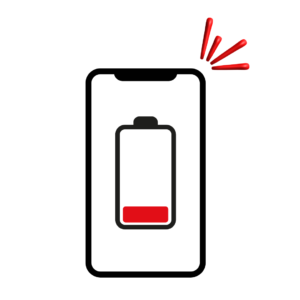
    Graphic of a phone with low-battery

    It’s about protection. When your mind is tired, it slows things down to conserve energy – like a phone switching into low-power mode. When the battery is depleted, output is reduced. That doesn’t mean the phone is broken.

    Cognitive Distortion: How Depression Shapes Your Thoughts

    Depression does not respond to logic, memes or inspirational quotes on a mug.

    It’s shaped by stress, loss, trauma, loneliness, unmet needs, and prolonged pressure. Often, it develops gradually, making it hard to pinpoint a single cause.

    Depression is not just a feeling; it’s a very convincing storyteller.

    • “I’m a burden.”
    • “Nothing will change.”
    • “Everyone else is coping better than I am.”

    These thoughts can feel authoritative, even factual. But they’re symptoms, not truths.

    Depression is a persuasive narrator, but not a reliable one. It narrows perspective and presents temporary states as permanent realities. Trying to argue or debate with these perspectives often keeps you stuck in the same loop of thinking.

    When these thoughts appear, it can be helpful to notice them and get curious, rather than taking them at face value.

    The Inner Critic

    Some people have a strong inner critic who uses their preferred set of management strategies to try and maintain a sense of control, approval or safety.

    This tends to be things like perfectionism and OCD, pleasing others or keeping busy. Sometimes, they can feel like an enemy, but underneath the judgement is fear. Fear of failure, fear of success. Fear of displeasing others or being overwhelmed.

    Over time, chronic pressure can lead to depression emerging as a protective response – slowing everything down and creating “deep rest” to prevent further harm.

    At this stage, even anxiety and internal shame are not enough to force us to keep performing. Telling yourself that you should be coping better doesn’t change how things are, or give you space to recover. At this stage, you need understanding and compassion.

    What Actually Helps

    There is no single solution that works for everyone, but there are some helpful and protective factors highlighted by research and clinical experience:

    • Being believed and taken seriously
    • Gentle structure rather than overwhelming expectations
    • Safe connection with people who do not minimise or rush recovery
    • Professional support (therapy, medication, or both if appropriate)

    Recovery comes through gently reconnecting with yourself, at a pace that does not overwhelm you.

    Above all, compassion plays a central role, from yourself and from others. Recognition that depression is difficult and deserves care rather than criticism.

    A Final Thought

    If you are living with depression, you have not failed and you’re not broken. You’re responding to something real.

    Your system is doing the best it can with the energy and information it has available.
    Depression can be persuasive, but it can’t tell the future.

    Your story is still being written, ideally with more rest breaks, support and less pressure.

    Mandala with butterfly graphics