Tag: burnout

  • Why You Feel Stuck.

    Why You Feel Stuck: Anxiety, Inner Conflict, and Ego States Explained

    Estimated reading time: 6 minutes

    Key Takeaways

    • Anxiety often stems from internal conflicts among different ego states: Parent, Adult, and Child.
    • Understanding these ego states helps clarify why you feel stuck or overwhelmed, as they each express distinct needs and fears.
    • What seems like self-sabotage may actually be self-protection driven by your inner Child and Parent parts.
    • Practising self-awareness and curiosity about your feelings can reduce anxiety and help you respond more effectively.
    • Therapy can support your journey to explore these inner conflicts and facilitate meaningful change.

    Anxiety is often described as overthinking, stress, or feeling overwhelmed.
    But for many people, that explanation doesn’t quite go deep enough.

    Because sometimes anxiety isn’t just about what’s happening around you
    it’s about what’s happening within you.

    If you’ve ever felt stuck, torn, or unsure why you can’t move forward…
    there may be something important to understand:

    Anxiety Isn’t Always Random

    Many people experience anxiety as something that appears “out of nowhere.”

    You might find yourself thinking:

    • “Why do I feel like this when nothing is wrong?”
    • “Why can’t I just decide and move on?”
    • “Why do I keep going back and forth?”

    From a Transactional Analysis (TA) perspective, this often makes sense when we look at ego states — different parts of the self that each have their own voice, feelings, and beliefs.


    Understanding Ego States: The Different Parts of You

    Transactional Analysis describes three core ego states:

    The Parent

    This part holds messages, rules, and expectations you’ve absorbed over time.

    It might sound like:

    • “You should do better”
    • “Don’t get it wrong”
    • “Be careful”
    • “That’s not good enough”

    This can be supportive — but it can also become critical or pressurising.


    The Adult

    This is the grounded, present-focused part of you.

    It:

    • Assesses reality
    • Weighs options
    • Responds rather than reacts

    Your Adult might say:

    • “What’s actually happening right now?”
    • “What do I need?”
    • “What’s a balanced way forward?”

    The Child

    This part carries your emotional world — past and present.

    It may hold:

    • Fear
    • Vulnerability
    • Past experiences of hurt or rejection

    When activated, it can feel like:

    • “What if something goes wrong?”
    • “I don’t feel safe”
    • “I can’t handle this”

    young man standing in woods holding a mirror. The reflection of his face is in the mirror.

    Why Anxiety Feels So Overwhelming (Inner Conflict Explained)

    Anxiety often intensifies when there is inner conflict between different parts of you.

    For example:

    • Your Adult says: “This is a good opportunity.”
    • Your Child feels: “I’m scared I’ll fail.”
    • Your Parent adds: “You need to do this perfectly.”

    This creates an internal push and pull.

    You’re not just dealing with one feeling —
    you’re managing multiple, competing inner experiences at once.

    That tension can feel like:

    • Overwhelm
    • Indecision
    • Procrastination
    • Self-doubt

    From the outside, it might look like “being stuck.”
    But internally, it’s a very active process.


    You’re Not Self-Sabotaging — You’re Protecting Something

    One of the most important shifts is this:

    What looks like self-sabotage is often self-protection.

    Your Child part may be trying to avoid pain.
    Your Parent part may be trying to keep you safe through control or high standards.

    When you don’t understand this, it’s easy to turn against yourself:

    • “Why am I like this?”
    • “What’s wrong with me?”

    But when you begin to understand it, something changes:

    • You become more curious
    • Less critical
    • More able to respond with intention

    How Understanding Reduces Anxiety

    Awareness creates space.

    Instead of being in the anxiety, you can begin to observe it.

    You might start noticing:

    • “This fear feels like a younger part of me”
    • “That pressure sounds like my inner critic”
    • “What would my Adult say here?”

    This doesn’t make anxiety disappear instantly —
    but it changes your relationship with it.

    And that’s where meaningful change begins.


    Practical Ways to Work With Inner Conflict

    You don’t need to analyse everything deeply. Small, consistent steps can help:

    1. Name What’s Happening

    Try:

    • “Part of me feels scared”
    • “Another part of me wants to move forward”

    2. Get Curious, Not Critical

    Instead of:

    • “Why am I like this?”

    Try:

    • “What might this part of me need?”

    3. Strengthen Your Adult

    Gently bring yourself back to the present:

    • What’s actually happening right now?
    • What evidence do I have?
    • What feels like a balanced next step?

    4. Acknowledge All Parts

    You don’t need to silence fear or pressure —
    you just don’t have to let them take over.

    Why do I feel anxious for no reason?

    Anxiety can feel like it appears “out of nowhere,” but often there are underlying internal processes at work. From a Transactional Analysis perspective, anxiety may come from inner conflict between different parts of you — such as a part that feels afraid, another that pushes you to perform, and another trying to stay rational.

    Even if there’s no obvious external threat, your internal system may still be responding as if there is one.


    What is inner conflict in anxiety?

    Inner conflict in anxiety happens when different parts of you want different things at the same time.

    For example, one part of you may want to take a step forward, while another feels unsafe or unsure. A third part might add pressure or criticism. This creates tension in the nervous system, which can feel like overwhelm, indecision, or anxiety.

    Understanding this internal conflict can help you respond with more awareness and self-compassion, rather than feeling stuck or frustrated with yourself.


    Healing Starts With Understanding

    You don’t need to “fix” yourself.

    But understanding why you feel the way you do can give you something powerful:
    choice.

    And from there, change becomes possible.


    Taking the Next Step

    If this resonates, you don’t have to make sense of it on your own.

    Therapy can offer a space to gently explore the different parts of you —
    to understand where these patterns come from, and to find a way forward that feels more grounded and manageable. https://affordablecounsellingnetwork.artemisdevserver.com/

    Why do I feel anxious for no reason?

    Anxiety can feel like it appears “out of nowhere,” but often there are internal processes at work. From a Transactional Analysis perspective, anxiety may come from inner conflict between different parts of you — such as a part that feels afraid, another that pushes you to perform, and another trying to stay in control.
    Even without an obvious external threat, your internal system may still be reacting as if there is one.

    What is inner conflict in anxiety?

    Inner conflict happens when different parts of you want different things at the same time.
    For example, one part may want to move forward, while another feels unsafe. This creates tension in your nervous system, which can feel like anxiety, overwhelm, or indecision.

    What are ego states in Transactional Analysis?

    Ego states are different parts of your personality that influence how you think, feel, and behave.
    In Transactional Analysis, these are:
    Parent (rules and expectations)
    Adult (present, rational thinking)
    Child (emotions and past experiences)
    Understanding these can help you make sense of anxiety and internal conflict.

    Can understanding anxiety reduce it?

    Yes — understanding anxiety can reduce its intensity.
    When you can recognise what’s happening internally, you create space between you and the feeling. This allows you to respond more calmly, rather than reacting automatically.

    https://affordablecounsellingnetwork.artemisdevserver.com/therapy-services/affordable-anxiety-therapy-online-uk-counselling/
  • Stress vs Anxiety: What’s the Difference?

    Many people are unsure whether what they are experiencing is stress or anxiety. Although the terms are often used interchangeably, they describe different psychological and physiological responses.

    Stress is typically a short-term reaction to an external pressure or demand. Anxiety is a more persistent feeling of worry or fear that may continue even when there is no clear trigger.

    Understanding the difference between stress and anxiety is important. While stress often improves when circumstances change, anxiety can continue independently of the original situation. Both can affect sleep, concentration, physical health and emotional wellbeing — but they differ in cause, duration and overall impact.

    If symptoms are ongoing, disproportionate, or interfering with daily life, professional support may be helpful.

    Stress is the body’s natural response to external demands or perceived pressure.

    What Is Stress?

    WhStress is the body’s natural response to external demands or perceived pressure. When faced with challenges such as work deadlines, financial strain, relationship difficulties or health concerns, the nervous system activates the “fight or flight” response. This leads to the release of hormones such as adrenaline and cortisol.

    In most cases, stress has a clear external cause and feels proportionate to the situation. It is usually temporary and tends to reduce once the pressure is removed.

    Short-term stress can increase alertness and performance. However, prolonged or chronic stress can begin to affect both physical and mental wellbeing.

    Common Symptoms of Stress

    Stress can affect both the body and the mind.

    Physical symptoms may include headaches, muscle tension, fatigue, digestive discomfort, and sleep disturbance.

    Psychological symptoms may include irritability, feeling overwhelmed, difficulty concentrating, reduced patience, and low mood.

    These symptoms usually improve when the stressor is resolved.

    What Is Anxiety?

    Anxiety is a sustained feeling of apprehension, worry or fear that may not always be linked to an immediate external threat. While anxiety is a normal emotional response, it can become problematic when it is persistent, excessive or disproportionate to the situation.

    Unlike stress, anxiety can continue even when there is no obvious cause. It may feel internal, ongoing and difficult to control.

    Anxiety often persists for weeks or months and may occur without a clear trigger. The thoughts and feelings can feel intrusive or disproportionate and may begin to interfere with daily functioning.

    Common Symptoms of Anxiety

    Anxiety can affect both the body and the mind.

    Common physical symptoms of anxiety include an increased heart rate, chest tightness, shortness of breath, dizziness, nausea and sweating.

    Common psychological symptoms of anxiety include excessive or uncontrollable worry, a sense of dread, feeling constantly “on edge”, anticipating negative outcomes and difficulty relaxing.

    If these symptoms are frequent, persistent or worsening, they may indicate an anxiety disorder.

    What Is the Difference Between Stress and Anxiety?

    The primary difference between stress and anxiety lies in trigger and duration.

    Stress is typically linked to a specific external situation. Anxiety can persist independently of circumstances.

    Stress vs Anxiety: Quick Comparison

    Stress Anxiety
    Triggered by identifiable external pressure May occur without a clear trigger
    Usually short-term Often persistent or recurring
    Improves when the situation changes May continue even when circumstances improve
    Proportionate to a current demand Can feel excessive or intrusive

    It is possible to experience both simultaneously. Ongoing stress can increase vulnerability to anxiety over time.


    Can Stress Turn Into Anxiety?

    Yes.

    Prolonged or unmanaged stress can contribute to the development of anxiety difficulties. When the nervous system remains activated for extended periods, it may become more sensitive to perceived threats.

    Over time, this heightened state can lead to:


      • Persistent worry

      • Increased hypervigilance

      • Physical tension without a clear cause

      • Anxiety that continues even after the original stressor has resolved

    Early support can reduce the likelihood of stress developing into longer-term anxiety.


    How Do I Know If I Have Stress or Anxiety?

    If you are unsure whether you are experiencing stress or anxiety, consider the following:


      • Is there a clear external cause?

      • Do symptoms improve when the situation changes?

      • Has the worry persisted for several weeks or longer?

      • Does the anxiety feel disproportionate to current events?

      • Is it affecting work, relationships or daily functioning?

    Short-term, situational distress is more likely to be stress. Ongoing, intrusive or disproportionate worry may suggest anxiety.


    When Should You Seek Professional Help?

    It may be appropriate to seek professional support if:


      • Worry feels constant or difficult to control

      • Physical symptoms are distressing or recurrent

      • Sleep is consistently disrupted

      • You are avoiding situations due to fear

      • Symptoms have persisted for several weeks

      • Anxiety or stress is affecting daily life

    Consulting a GP can be a first step. Many people also choose to access private counselling for more immediate support.


    How Counselling Can Help with Anxiety

    Counselling provides a structured and confidential space to explore the underlying causes of anxiety and stress.

    Therapy may focus on:


      • Identifying patterns of thinking that increase worry

      • Developing coping and emotional regulation strategies

      • Addressing unresolved experiences contributing to anxiety

      • Reducing avoidance behaviours

      • Building long-term resilience

    Evidence-based approaches, including Cognitive Behavioural Therapy (CBT), are commonly used in the treatment of anxiety.

    If you are experiencing persistent anxiety and are considering counselling, Affordable Counselling Network can help you connect with a qualified therapist offering accessible and affordable private support.


    Frequently Asked Questions

    Is stress the same as anxiety?

    No. Stress is usually a short-term response to an external pressure or demand. Anxiety is a more persistent feeling of worry or fear that may continue even when there is no clear trigger.

    What is the main difference between stress and anxiety?

    The main difference is that stress is typically caused by a specific external situation and improves when it resolves, whereas anxiety can persist independently of circumstances and may feel ongoing or excessive.

    Can stress cause anxiety?

    Yes. Prolonged or unmanaged stress can increase the likelihood of developing anxiety, particularly if the body remains in a heightened state of alert for extended periods.

    How do I know if I have anxiety rather than stress?

    If worry feels persistent, disproportionate, difficult to control, or continues even when external pressures have reduced, it may indicate anxiety rather than short-term stress.

    Is counselling effective for anxiety?

    Many people find counselling helpful in understanding the causes of anxiety, reducing symptoms, and developing practical coping strategies.


    About the Author

    This article was written and reviewed by a qualified counselling professional affiliated with Affordable Counselling Network.

    Content is informed by established psychological research and therapeutic approaches commonly used in professional counselling practice, including Cognitive Behavioural Therapy (CBT) and other evidence-based methods for managing stress and anxiety.

    Therapists within the Affordable Counselling Network are trained professionals who work within recognised ethical frameworks and professional standards used within the UK counselling profession.

    Last reviewed: March 2026


    Professional Standards

    Counsellors listed within the Affordable Counselling Network typically hold recognised professional qualifications and may be registered with professional bodies such as:

    • BACP — British Association for Counselling and Psychotherapy

    • UKCP — UK Council for Psychotherapy

    • NCPS — National Counselling and Psychotherapy Society

    These organisations promote ethical practice, ongoing professional development, and client safety within counselling and psychotherapy services.


    Important Information

    The information provided in this article is intended for general educational purposes only and should not be considered a substitute for professional medical or mental health advice.

    If you are experiencing persistent anxiety, distress, or symptoms that are affecting your daily life, it may be helpful to consult a GP or qualified mental health professional.

    If you are in immediate distress or feel unable to cope, seeking professional support as soon as possible is recommended.


    About Affordable Counselling Network

    Affordable Counselling Network helps individuals connect with qualified therapists offering accessible and affordable private counselling across the UK.

    Our aim is to make professional mental health support easier to access by helping people find experienced counsellors who provide confidential, ethical and compassionate therapeutic support.


    If you are experiencing ongoing stress or anxiety, counselling can provide a structured and supportive space to explore what you are going through and develop practical strategies for improving emotional wellbeing.

  • What is Depression?

    What is Depression?

    Depression is not the absence of happiness…

    There is a common misconception is that depression is simply excessive or prolonged sadness. That people should be able to just “snap out of it” and “pull themselves together”.

    Depression is far more complex than this. It can be difficult to understand and even harder to move forwards.

    Depression narrows our emotional range rather than intensifying it, until joy feels distant, and motivation fades.

    Numbness happens when life becomes flat or muted, but that doesn’t mean there’s something’s wrong with the person. They haven’t failed and they’re certainly not lazy.

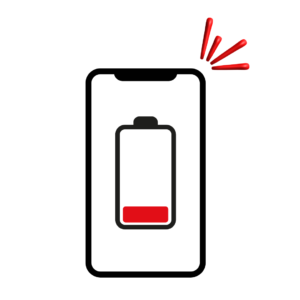
    Graphic of a phone with low-battery

    It’s about protection. When your mind is tired, it slows things down to conserve energy – like a phone switching into low-power mode. When the battery is depleted, output is reduced. That doesn’t mean the phone is broken.

    Cognitive Distortion: How Depression Shapes Your Thoughts

    Depression does not respond to logic, memes or inspirational quotes on a mug.

    It’s shaped by stress, loss, trauma, loneliness, unmet needs, and prolonged pressure. Often, it develops gradually, making it hard to pinpoint a single cause.

    Depression is not just a feeling; it’s a very convincing storyteller.

    • “I’m a burden.”
    • “Nothing will change.”
    • “Everyone else is coping better than I am.”

    These thoughts can feel authoritative, even factual. But they’re symptoms, not truths.

    Depression is a persuasive narrator, but not a reliable one. It narrows perspective and presents temporary states as permanent realities. Trying to argue or debate with these perspectives often keeps you stuck in the same loop of thinking.

    When these thoughts appear, it can be helpful to notice them and get curious, rather than taking them at face value.

    The Inner Critic

    Some people have a strong inner critic who uses their preferred set of management strategies to try and maintain a sense of control, approval or safety.

    This tends to be things like perfectionism and OCD, pleasing others or keeping busy. Sometimes, they can feel like an enemy, but underneath the judgement is fear. Fear of failure, fear of success. Fear of displeasing others or being overwhelmed.

    Over time, chronic pressure can lead to depression emerging as a protective response – slowing everything down and creating “deep rest” to prevent further harm.

    At this stage, even anxiety and internal shame are not enough to force us to keep performing. Telling yourself that you should be coping better doesn’t change how things are, or give you space to recover. At this stage, you need understanding and compassion.

    What Actually Helps

    There is no single solution that works for everyone, but there are some helpful and protective factors highlighted by research and clinical experience:

    • Being believed and taken seriously
    • Gentle structure rather than overwhelming expectations
    • Safe connection with people who do not minimise or rush recovery
    • Professional support (therapy, medication, or both if appropriate)

    Recovery comes through gently reconnecting with yourself, at a pace that does not overwhelm you.

    Above all, compassion plays a central role, from yourself and from others. Recognition that depression is difficult and deserves care rather than criticism.

    A Final Thought

    If you are living with depression, you have not failed and you’re not broken. You’re responding to something real.

    Your system is doing the best it can with the energy and information it has available.
    Depression can be persuasive, but it can’t tell the future.

    Your story is still being written, ideally with more rest breaks, support and less pressure.

    Mandala with butterfly graphics