Tag: emotional wellbeing

  • Why Do I Always Think People Are Mad at Me? Understanding Anxiety, Hypervigilance & Fear of Rejection

    Why Do I Always Think People Are Mad at Me? Understanding Anxiety, Hypervigilance & Fear of Rejection.

    Estimated reading time: 9 minutes


    Have you ever received a short text message and immediately worried something was wrong?

    Do you replay conversations afterwards wondering if you upset someone?

    Do you find yourself constantly asking:

    • “Are you okay?”
    • “Did I do something wrong?”
    • “Are you upset with me?”
    • “Did I say something weird?”

    If so, you’re not alone.

    Many people live with a constant fear that other people are angry, disappointed, annoyed, or upset with them.

    And often, this fear exists even when there is very little evidence that anything is wrong.

    This can be exhausting.

    You may spend hours analysing interactions, monitoring people’s moods, or trying to work out whether you’ve somehow upset someone.

    But these patterns usually say more about anxiety, emotional safety, and past experiences than they do about what other people actually feel.


    Quick Answer

    If you always think people are mad at you, it is often linked to anxiety, hypervigilance, people-pleasing, trauma, low self-esteem, or fear of rejection. Many people become highly sensitive to changes in tone, facial expressions, messages, or behaviour and automatically assume they have done something wrong. These fears are often rooted in past experiences rather than evidence that someone is genuinely upset.

    Common signs include:

    • Overthinking conversations
    • Re-reading messages repeatedly
    • Worrying you have upset people
    • Needing frequent reassurance
    • Fear of rejection or conflict
    • Assuming other people’s moods are your responsibility
    • Feeling anxious when people seem quiet or distant
    • Constantly looking for signs that something is wrong

    Therapy can help you understand where these patterns come from, reduce anxiety, build self-trust, and feel more secure in relationships.


    Why Do I Always Think People Are Mad at Me?

    Constantly worrying that people are angry with you is often linked to anxiety, hypervigilance, people-pleasing, trauma, low self-esteem, or fear of rejection. Many people become highly sensitive to changes in tone, facial expressions, texting habits, or behaviour and automatically assume they have done something wrong.


    What This Fear Often Sounds Like

    You may recognise thoughts such as:

    • “That message sounded cold.”
    • “They’re being quiet. I must have upset them.”
    • “They didn’t reply straight away.”
    • “I shouldn’t have said that.”
    • “They’re probably annoyed with me.”
    • “Maybe they’re pulling away.”
    • “What if they’re angry and just not telling me?”

    Over time, these thoughts can become automatic.

    You may begin expecting rejection before it happens.


    What This Feels Like Day to Day

    Living with a constant fear that people are upset with you can be exhausting.

    You may find yourself:

    • Re-reading messages repeatedly
    • Analysing conversations long after they have ended
    • Worrying you sounded rude, awkward, or annoying
    • Feeling anxious after social situations
    • Looking for signs that someone has changed towards you
    • Needing reassurance that everything is okay
    • Feeling relieved when reassured, only to start worrying again later

    Many people describe feeling like they are constantly trying to work out whether they have done something wrong.

    It can feel as though your mind is always searching for evidence that someone is angry, disappointed, or pulling away.


    Why Small Changes Feel So Significant

    When you’re worried about upsetting people, even small changes can feel emotionally huge.

    You may notice:

    • A shorter message
    • A different tone of voice
    • Someone seeming distracted
    • Less eye contact
    • A delayed response
    • A shift in mood

    Your brain may immediately try to explain the change.

    And unfortunately, anxiety often chooses the most self-critical explanation:

    “It must be me.”


    Why Do I Think Everyone Hates Me?

    When anxiety is high, the mind often assumes the worst.

    A delayed reply, a change in tone, or someone seeming distracted can quickly become:

    • “They don’t like me anymore.”
    • “They’re annoyed with me.”
    • “Everyone secretly hates me.”
    • “I’ve ruined the relationship.”
    • “I shouldn’t have said that.”

    These thoughts can feel incredibly convincing.

    But they are often driven by fear rather than evidence.

    Anxiety tends to focus on threat.

    For many people, that threat is rejection.

    The mind becomes so focused on avoiding rejection that it starts seeing signs of rejection everywhere.


    Anxiety and Mind Reading

    One common anxiety pattern is called mind reading.

    This happens when we assume we know what someone else is thinking without actual evidence.

    For example:

    Someone seems quiet.

    Instead of thinking:

    “Maybe they’re tired.”

    You think:

    “They must be upset with me.”

    The anxious mind often fills uncertainty with self-blame.
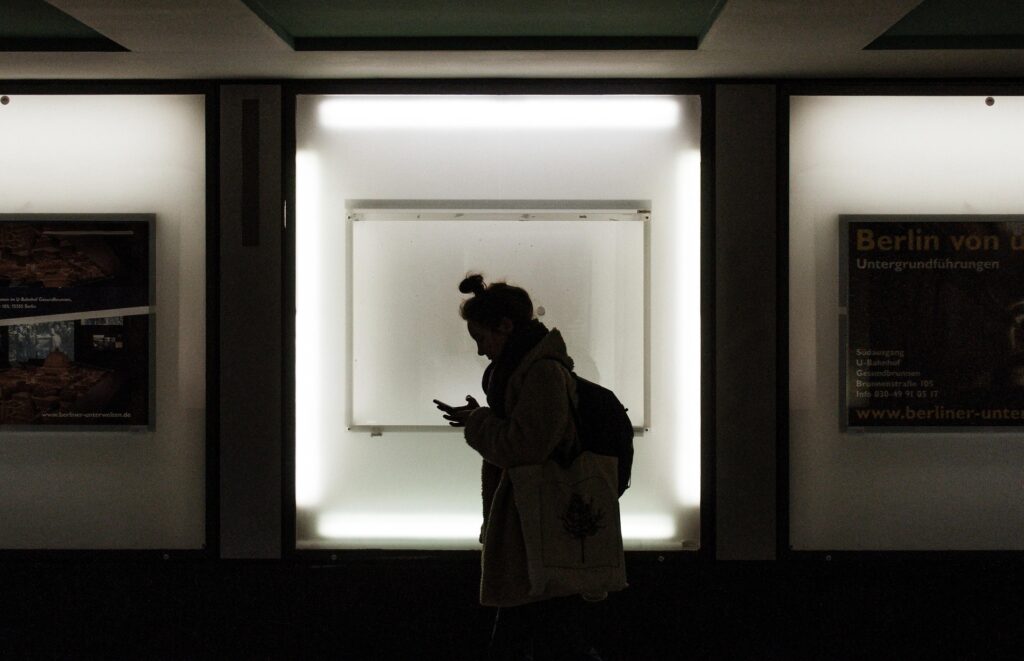

    Person looking worried while analysing a text message, representing anxiety, overthinking, fear of rejection, and worrying that others are upset with them.

    Hypervigilance and Emotional Threat Detection

    Hypervigilance means being highly alert to possible danger.

    For some people, that danger is not physical.

    It’s emotional.

    You may constantly scan for:

    • Rejection
    • Criticism
    • Disapproval
    • Conflict
    • Withdrawal

    This can make everyday interactions feel surprisingly stressful.

    Your nervous system stays busy looking for signs that something is wrong.


    Being Sensitive to Other People’s Moods Is Not the Same as Being Responsible for Them

    Many people who constantly worry about upsetting others become highly skilled at reading emotional cues.

    They notice subtle shifts in:

    • tone,
    • facial expressions,
    • body language,
    • texting habits,
    • and behaviour.

    This awareness often develops for a reason.

    For some people, it was a way of staying emotionally safe in childhood or difficult relationships.

    The difficulty is that awareness can slowly become responsibility.

    You may start believing:

    “If someone feels bad, it must be my fault.”

    Or:

    “It’s my job to make sure everyone is okay.”

    But recognising emotions and causing emotions are not the same thing.

    Someone can be stressed, tired, distracted, frustrated, or upset without it having anything to do with you.

    One of the most important parts of healing is learning where your responsibility ends and someone else’s begins.


    Why Do I Always Assume I’ve Done Something Wrong?

    Many people who fear upsetting others automatically blame themselves when something feels uncertain.

    If a friend seems distant, you may assume you caused it.

    If someone is quieter than usual, you may wonder what you did.

    If a partner seems distracted, you may start replaying recent conversations looking for mistakes.

    This habit often develops because self-blame feels safer than uncertainty.

    The brain would rather believe:

    “I did something wrong.”

    than face the uncertainty of not knowing what is happening.

    Unfortunately, this keeps anxiety alive and reinforces the belief that you are responsible for other people’s emotions.


    Why Do I Assume Everything Is My Fault?

    Many people who fear upsetting others automatically take responsibility for things that have nothing to do with them.

    You may find yourself wondering:

    • “Did I cause this?”
    • “Did I upset them?”
    • “What did I do wrong?”

    Even when someone is dealing with their own stress, tiredness, work pressures, or personal difficulties.

    This habit often develops when people learn to prioritise other people’s emotions above their own.


    Childhood Experiences and Fear of Anger

    For many people, this pattern begins much earlier in life.

    If you grew up around:

    • criticism,
    • unpredictability,
    • conflict,
    • emotional volatility,
    • or walking on eggshells,

    you may have learned that staying aware of other people’s moods helped you stay safe.

    As an adult, your nervous system may continue scanning for signs of danger, even when relationships are healthier than they once were.


    People-Pleasing and Fear of Disapproval

    People-pleasing and fear of upsetting others often go hand in hand.

    You may:

    • Avoid conflict
    • Over-apologise
    • Struggle with boundaries
    • Put other people’s needs first
    • Feel responsible for everyone’s emotions

    When approval feels connected to safety, disapproval can feel especially threatening.


    What If Someone Actually Is Upset With Me?

    This is an important question.

    Sometimes people are upset.

    Conflict is part of being human.

    Healthy relationships do not require constant agreement.

    One of the most helpful things therapy can teach is that:

    • someone being disappointed does not mean you are bad,
    • conflict does not automatically lead to rejection,
    • and relationships can survive difficult conversations.

    What Healthy Relationships Actually Look Like

    Many people who worry that others are angry with them assume healthy relationships involve constant harmony.

    In reality, healthy relationships include:

    • misunderstandings,
    • disagreements,
    • different opinions,
    • bad days,
    • and occasional conflict.

    Someone being frustrated does not automatically mean they are rejecting you.

    Someone needing space does not automatically mean they no longer care.

    Healthy relationships are strong enough to tolerate difficult feelings without falling apart.

    Learning this can be a powerful step towards feeling more secure and less trapped by anxiety.


    A Therapist’s Perspective

    People who constantly worry about upsetting others are rarely uncaring.

    In fact, the opposite is usually true.

    Many are deeply thoughtful, empathic, and highly aware of how their actions affect other people.

    The difficulty is that this awareness can become overwhelming.

    Instead of helping you connect with others, it leaves you constantly monitoring yourself.

    The goal is not to stop caring about people.

    The goal is to stop carrying responsibility for emotions that do not belong to you.


    Signs This Pattern May Be Affecting You

    You may recognise yourself if you:

    • Frequently ask if people are upset with you
    • Overthink conversations
    • Struggle to tolerate uncertainty
    • Apologise excessively
    • Need reassurance regularly
    • Feel anxious when people seem distant
    • Avoid conflict
    • Worry about rejection

    These experiences are common in anxiety, trauma, low self-worth, and people-pleasing patterns.


    How Therapy Can Help

    Therapy can help you understand:

    • Why you fear upsetting people
    • How anxiety affects your thinking
    • Where people-pleasing developed
    • How trauma influences relationships
    • Why conflict feels so threatening

    A therapist can support you to:

    • Build self-trust
    • Improve boundaries
    • Reduce overthinking
    • Strengthen self-esteem
    • Challenge self-blame
    • Feel safer in relationships

    Over time, many people find they spend less energy analysing others and more energy trusting themselves.

    Why do I always think people are mad at me?

    This is often linked to anxiety, hypervigilance, people-pleasing, low self-esteem, trauma, or fear of rejection.

    Is thinking people are mad at me a symptom of anxiety?

    Yes. Anxiety can make people more sensitive to uncertainty and more likely to assume negative outcomes in relationships.

    Why do I think everyone is annoyed with me?

    This is often linked to anxiety, hypervigilance, people-pleasing, low self-esteem, or fear of rejection. The brain becomes highly sensitive to signs of disapproval and may assume negative intentions even when there is little evidence.

    Why do I always assume I’ve done something wrong?

    Many people automatically blame themselves when situations feel uncertain. This can develop from anxiety, trauma, criticism, or growing up feeling responsible for other people’s emotions.

    Why do I overthink every conversation?

    Many people overthink conversations because they fear rejection, criticism, conflict, or upsetting other people.

    Is worrying that people are mad at me a trauma response?

    It can be. People who grew up around conflict, criticism, unpredictability, or emotional instability often become highly alert to signs of anger or rejection as a way of staying emotionally safe.

    Can trauma make me fear upsetting people?

    Yes. Trauma and emotionally unpredictable environments can increase hypervigilance and sensitivity to other people’s moods.

    Can therapy help me stop worrying about what people think?

    Therapy can help you understand the roots of these fears, improve self-esteem, reduce anxiety, and build healthier relationships.

    Reviewed by a Qualified Therapist

    This article was reviewed by NCPS-accredited therapists working with anxiety, trauma, people-pleasing, relationship difficulties, and emotional wellbeing.

    Affordable Counselling Network connects people across the UK with qualified, affordable therapists offering support for anxiety, self-esteem, trauma, overthinking, and relationship concerns.

    Reviewed by: NCPS Registered Therapists at Affordable Counselling Network
    Clinical Areas: Anxiety, Trauma, People-Pleasing, Self-Esteem, Relationships
    Last Reviewed: May 2026


    Find a Therapist Who Understands Anxiety & Overthinking

    If you constantly worry that people are angry, disappointed, or upset with you, therapy can help you feel more confident, secure, and less trapped by self-doubt.

    Affordable Counselling Network helps people across the UK connect with affordable therapists who understand:

    • Anxiety
    • Overthinking
    • Trauma
    • People-pleasing
    • Low self-esteem
    • Relationship difficulties
  • Why Do I Apologise All the Time? Understanding Anxiety, People-Pleasing & Fear of Conflict

    Why Do I Apologise All the Time? Understanding Anxiety, People-Pleasing & Fear of Conflict

    Estimated reading time: 8 minutes


    Why Do I Apologise All the Time?

    Do you find yourself saying sorry for things that aren’t your fault?

    Perhaps you apologise for:

    • Asking a question
    • Taking up someone’s time
    • Expressing an opinion
    • Needing help
    • Setting a boundary
    • Making a small mistake
    • Simply existing in a shared space

    You may even apologise when someone else bumps into you.

    For many people, apologising becomes automatic.

    The word “sorry” slips out before they’ve even had time to think.

    While apologising can be a healthy way to take responsibility when we’ve hurt someone, excessive apologising is often about something much deeper.

    It can be linked to anxiety, people-pleasing, low self-esteem, trauma, fear of conflict, and a strong desire to keep other people comfortable.


    Quick Answer

    If you apologise all the time, it may be because you have learned to prioritise other people’s feelings above your own. Excessive apologising is often linked to anxiety, people-pleasing, trauma, low self-worth, fear of rejection, or growing up in environments where conflict felt unsafe. Many people apologise not because they have done something wrong, but because they feel responsible for other people’s comfort, reactions, or emotions.

    Common signs include:

    • Saying sorry excessively
    • Feeling guilty for having needs
    • Fear of upsetting people
    • Struggling to set boundaries
    • Taking responsibility for other people’s feelings
    • Worrying about being judged or rejected
    • Feeling uncomfortable taking up space

    Therapy can help you understand where these patterns developed and learn healthier ways of communicating without carrying unnecessary guilt.


    What Excessive Apologising Often Sounds Like

    You may recognise yourself saying:

    • “Sorry, can I ask a question?”
    • “Sorry for bothering you.”
    • “Sorry, this might sound silly.”
    • “Sorry for talking so much.”
    • “Sorry, I probably shouldn’t have said anything.”
    • “Sorry, I know you’re busy.”
    • “Sorry for taking up your time.”

    Over time, apologising can become so automatic that you barely notice you’re doing it.


    The Thoughts Behind Excessive Apologising

    Many people who apologise frequently are not just saying sorry.

    They are carrying deeper fears.

    You may recognise thoughts such as:

    • “I don’t want to be a burden.”
    • “I don’t want anyone to be upset with me.”
    • “I should make this easier for everyone.”
    • “I don’t want to seem difficult.”
    • “Maybe I’m asking for too much.”
    • “I should have handled that better.”
    • “I don’t want people to think badly of me.”

    Often, the apology is not about what happened.

    It is about trying to reduce anxiety, avoid conflict, or protect a relationship.


    Why Do I Apologise for Everything?

    Many people who apologise excessively feel responsible for keeping other people happy.

    You may worry about:

    • Upsetting people
    • Being judged
    • Looking difficult
    • Being rejected
    • Causing conflict
    • Taking up too much space

    Apologising can become a way of reducing anxiety and trying to prevent negative reactions.

    The problem is that it often reinforces the belief that you have done something wrong when you haven’t.


    Why Do I Apologise for Existing?

    Some people reach a point where apologising feels automatic.

    They apologise for:

    • speaking,
    • asking questions,
    • needing help,
    • expressing emotions,
    • taking up space.

    This can create the feeling that you are apologising simply for being human.

    Often this develops when people learn that their needs, feelings, or opinions are inconvenient, unwelcome, or likely to cause problems for others.

    Over time, apologising becomes a way of making yourself smaller.


    Anxiety and Over-Apologising

    Anxiety often makes people highly aware of how they are perceived by others.

    You may find yourself:

    • Replaying conversations
    • Worrying you’ve offended someone
    • Looking for signs of disapproval
    • Assuming you’ve made mistakes
    • Taking responsibility for things outside your control

    When anxiety is high, apologising can feel like a way to reduce uncertainty and gain reassurance.


    Why Do I Apologise Even When It Isn’t My Fault?

    This is one of the most common experiences people describe.

    You may apologise when:

    • Someone else is upset
    • A situation feels awkward
    • There is tension in a room
    • Someone is disappointed
    • Something goes wrong

    Even when you are not responsible.

    For many people, apologising becomes less about responsibility and more about trying to restore emotional safety.


    People-Pleasing and the Need to Keep the Peace

    People-pleasing and excessive apologising often go hand in hand.

    If keeping other people happy feels important, apologising may become a way of avoiding:

    • Conflict
    • Rejection
    • Criticism
    • Disapproval
    • Difficult conversations

    You may have learned that being agreeable kept relationships safe.

    Over time, this can make it difficult to express your own needs confidently.


    What This Feels Like Day to Day

    Living with a constant urge to apologise can be exhausting.

    You may:

    • Feel guilty for asking for help
    • Over-explain yourself
    • Worry about inconveniencing people
    • Struggle to express disagreement
    • Feel anxious after social interactions
    • Second-guess what you’ve said
    • Put other people’s comfort before your own

    Many people describe feeling responsible for managing everyone else’s emotions.


    Why Do I Feel Guilty for Having Needs?

    At the heart of excessive apologising is often guilt.

    You may feel guilty for:

    • Taking up space
    • Asking for support
    • Saying no
    • Setting boundaries
    • Being upset
    • Needing reassurance

    Many people who apologise frequently carry an underlying belief that their needs are somehow less important than everyone else’s.


    Childhood Experiences and Excessive Apologising

    For many people, these patterns begin early in life.

    If you grew up:

    • Walking on eggshells
    • Avoiding conflict
    • Being criticised frequently
    • Taking responsibility for other people’s emotions
    • Trying to keep the peace

    you may have learned that apologising helped you stay emotionally safe.

    As an adult, those habits can continue long after the original situation has passed.


    Person sitting with their face covered by their hands, wearing a hooded top, representing excessive apologising, anxiety, shame, low self-esteem, and fear of upsetting others.

    Fear of Conflict and Rejection

    Sometimes apologising is driven by fear.

    You may fear:

    • Making people angry
    • Being disliked
    • Being criticised
    • Losing relationships
    • Being seen as selfish

    The apology becomes a protective strategy.

    A way of trying to prevent conflict before it happens.

    Unfortunately, this often comes at the expense of your own confidence and self-worth.


    A Therapist’s Perspective on Saying Sorry

    Many people who apologise excessively are not rude, selfish, or inconsiderate.

    In fact, they are often the exact opposite.

    They are thoughtful people who care deeply about how their actions affect others.

    The difficulty is that they have learned to extend compassion outward while withholding it from themselves.

    They apologise for mistakes they haven’t made.

    They take responsibility for emotions they didn’t create.

    And they hold themselves to standards they would never expect from anyone else.

    Learning to apologise less is not about becoming less caring.

    It is about recognising that your needs matter too.


    What Healthy Communication Looks Like

    Healthy communication does not require constant apologising.

    Instead of saying:

    “Sorry for bothering you.”

    You might say:

    “Do you have a moment?”

    Instead of:

    “Sorry, this is probably stupid.”

    You might say:

    “I’d like to ask a question.”

    Over time, these small shifts can help build confidence and self-respect.


    Signs Excessive Apologising May Be Affecting You

    You may recognise yourself if you:

    • Say sorry multiple times a day
    • Apologise for things that aren’t your fault
    • Feel responsible for other people’s emotions
    • Fear conflict
    • Struggle with boundaries
    • Need reassurance regularly
    • Feel guilty for having needs
    • Worry about upsetting people

    These experiences are common in anxiety, people-pleasing, trauma, and low self-esteem.


    How Therapy Can Help

    Therapy can help you understand:

    • Why you apologise so much
    • Where people-pleasing patterns developed
    • How anxiety affects your behaviour
    • Why boundaries feel difficult
    • How self-worth influences relationships

    A therapist can support you to:

    • Build confidence
    • Reduce people-pleasing
    • Improve boundaries
    • Challenge guilt and shame
    • Communicate more assertively
    • Develop healthier relationships

    Over time, many people find they become more comfortable expressing themselves without feeling responsible for everyone else’s reactions.


    Why do I apologise all the time?

    Excessive apologising is often linked to anxiety, people-pleasing, low self-esteem, trauma, fear of conflict, or fear of rejection.

    Why do I say sorry so much?

    Many people say sorry excessively because they worry about upsetting others, being judged, creating conflict, or taking up too much space.

    Is apologising too much a sign of low self-esteem?

    It can be. People with low self-esteem often minimise their needs and may apologise frequently because they feel uncomfortable taking up space or expressing themselves.

    Why do I apologise for things that aren’t my fault?

    Many people apologise automatically when they feel uncomfortable, anxious, or responsible for other people’s emotions, even when they have done nothing wrong.

    Can trauma cause excessive apologising?

    Yes. People who grew up around criticism, conflict, emotional unpredictability, or walking on eggshells often develop apologising as a way of staying emotionally safe.

    Is excessive apologising a sign of anxiety?

    Yes. Anxiety can increase fears of judgement, rejection, conflict, and making mistakes, which can lead to frequent apologising.

    Can therapy help me stop apologising so much?

    Yes. Therapy can help you understand the reasons behind excessive apologising, build confidence, improve boundaries, and reduce people-pleasing behaviours.

    Reviewed by a Qualified Therapist

    This article was reviewed by NCPS-accredited therapists working with anxiety, people-pleasing, trauma, self-esteem, and emotional wellbeing.

    Affordable Counselling Network connects people across the UK with qualified, affordable therapists offering support for anxiety, trauma, self-worth, relationship difficulties, and emotional overwhelm.

    Reviewed by: NCPS Registered Therapists at Affordable Counselling Network
    Clinical Areas: Anxiety, People-Pleasing, Trauma, Self-Esteem, Relationships
    Last Reviewed: June 2026


    Find a Therapist Who Understands Anxiety & People-Pleasing

    If you find yourself apologising constantly, struggling to set boundaries, or worrying about upsetting other people, therapy can help you build confidence, self-trust, and healthier relationships.

    Affordable Counselling Network helps people across the UK connect with affordable therapists who understand:

    • Anxiety
    • People-pleasing
    • Trauma
    • Low self-esteem
    • Emotional overwhelm
    • Relationship difficulties
  • Why do I need constant reassurance?

    Why Do I Need Constant Reassurance? Understanding Anxiety, Self-Doubt & Relationship Insecurity

    Estimated reading time: 9 minutes


    Why Do I Need Constant Reassurance?

    Do you often find yourself asking:

    • “Are you sure you’re not upset with me?”
    • “Do you still love me?”
    • “Did I do something wrong?”
    • “Are we okay?”
    • “Do you think I handled that badly?”

    You may feel temporarily better after hearing the answer.

    But before long, the doubt returns.

    If this sounds familiar, you are not alone.

    Many people struggle with reassurance-seeking, especially when they are experiencing anxiety, low self-esteem, relationship insecurity, trauma, or chronic self-doubt.

    And despite what you may fear, needing reassurance does not mean you are needy, difficult, or broken.

    Often, it means part of you is trying to feel safe.


    Why Do I Need Constant Reassurance?

    Reassurance-seeking is often linked to anxiety, low self-worth, attachment insecurity, trauma, or fear of rejection. Many people who seek reassurance worry that they have upset someone, made a mistake, or are at risk of being rejected. While reassurance can provide temporary relief, the underlying fear often remains, causing the need for reassurance to return.

    If you need constant reassurance, it is often linked to anxiety, low self-esteem, attachment insecurity, trauma, or fear of rejection. Many people seek reassurance because they worry they have upset someone, made a mistake, or are at risk of losing an important relationship. While reassurance can provide temporary relief, the underlying fear often remains, causing the need for reassurance to return.

    Common signs include:

    • Frequently asking if people are upset with you
    • Seeking repeated validation from partners, friends, or family
    • Overthinking conversations and messages
    • Struggling to trust compliments or positive feedback
    • Worrying about rejection or abandonment
    • Feeling anxious when people seem distant or quiet

    Therapy can help you understand the root causes of reassurance-seeking, build self-trust, improve emotional security, and reduce anxiety in relationships.


    What Is Reassurance-Seeking?

    Reassurance-seeking is the repeated need for confirmation that:

    • You are okay
    • The relationship is okay
    • Someone is not angry with you
    • You have not made a mistake
    • You are liked, loved, or accepted
    • Everything will be alright

    Seeking reassurance occasionally is normal.

    Most people need comfort, support, and validation at times.

    The difficulty comes when reassurance becomes the main way you manage anxiety or uncertainty.


    Why Does Reassurance Only Work Temporarily?

    One of the frustrating things about reassurance is that it often works for a short time.

    You ask.

    You receive comfort.

    You feel relieved.

    Then the anxiety returns.

    This happens because reassurance treats the feeling rather than the underlying fear.

    The brain learns:

    “When I feel anxious, I need someone else to make me feel safe.”

    As a result, the cycle continues.


    What Reassurance-Seeking Often Sounds Like

    You may recognise thoughts such as:

    • “What if they’re just being polite?”
    • “What if they don’t really mean it?”
    • “What if they’re secretly annoyed with me?”
    • “What if I missed something?”
    • “What if they stop liking me?”
    • “What if I got it wrong?”

    The anxious mind tends to search for certainty.

    The problem is that relationships rarely provide 100% certainty.


    What Reassurance-Seeking Often Looks Like

    Reassurance-seeking is not always obvious.

    It can look like:

    • Re-reading messages repeatedly
    • Asking friends if you handled something badly
    • Checking whether someone is upset with you
    • Looking for signs that a relationship is okay
    • Searching online for certainty
    • Needing repeated validation
    • Asking the same question in different ways

    Many people do not realise they are seeking reassurance because it feels like problem-solving.

    But often, the goal is not information.

    The goal is relief from anxiety.


    Anxiety and the Need for Reassurance

    Anxiety often creates a strong need to reduce uncertainty.

    When anxiety is high, the brain becomes focused on finding signs of safety.

    You may:

    • Analyse conversations repeatedly
    • Check messages multiple times
    • Seek validation from others
    • Need frequent confirmation
    • Worry about rejection
    • Struggle to trust positive feedback

    This is not because you are attention-seeking.

    It is because anxiety makes uncertainty feel threatening.


    Why Do I Need Constant Reassurance in Relationships?

    Relationships can be particularly challenging for people who struggle with self-doubt.

    You may find yourself wondering:

    • “Do they still love me?”
    • “Are they losing interest?”
    • “Have I upset them?”
    • “Am I too much?”

    Even small changes in tone, texting habits, or behaviour can trigger worry.

    For many people, reassurance-seeking is less about the relationship itself and more about feeling emotionally safe.


    Why Do I Need Reassurance From My Partner?

    Many people who seek reassurance worry that they are too dependent on their partner.

    You may find yourself asking:

    • “Do you still love me?”
    • “Are you sure we’re okay?”
    • “Have I upset you?”
    • “Are you losing interest in me?”

    These questions often come from fear rather than evidence.

    When anxiety is present, the mind can become highly sensitive to signs of rejection, distance, or conflict.

    A delayed text message, a change in tone, or a partner having a difficult day can sometimes trigger fears that the relationship is in danger.

    This can be exhausting for both people.

    The issue is rarely that you need too much reassurance.

    More often, it is that anxiety convinces you that your relationships are less secure than they actually are.


    Attachment Styles and Reassurance

    People with anxious attachment patterns often experience a heightened fear of rejection, abandonment, or emotional distance.

    This can lead to:

    • Overthinking
    • Relationship anxiety
    • Hypervigilance
    • Seeking reassurance
    • Difficulty trusting reassurance when it is given

    You may feel constantly alert to signs that something is wrong, even when the relationship is healthy.


    Low Self-Worth and Reassurance-Seeking

    If you struggle to believe positive things about yourself, reassurance may never fully stick.

    For example:

    Someone tells you:

    “You’re doing great.”

    But internally, you think:

    “They’re just being nice.”

    Or:

    “If they knew the real me, they wouldn’t think that.”

    This creates a painful cycle where external reassurance struggles to compete with deeply held negative beliefs.


    Trauma and Emotional Safety

    For some people, reassurance-seeking develops as a response to emotional unpredictability.

    If relationships once felt:

    • inconsistent,
    • critical,
    • rejecting,
    • unsafe,
    • or unpredictable,

    your nervous system may become highly sensitive to signs of disconnection.

    You may find yourself constantly checking whether people are still okay with you.

    This is often less about attention and more about protection.


    Why Reassurance Can Accidentally Make Anxiety Worse

    This is one of the most frustrating parts of reassurance-seeking.

    The relief it provides is real.

    But it is usually temporary.

    When anxiety learns that reassurance removes discomfort, it starts demanding reassurance more often.

    The cycle often looks like this:

    1. Anxiety appears.
    2. You seek reassurance.
    3. You feel relief.
    4. Anxiety returns.
    5. You seek more reassurance.

    Over time, the brain can become less confident in its own ability to tolerate uncertainty.

    This is why many people find that no amount of reassurance ever feels like enough.


    The Real Need Beneath Reassurance

    People often assume reassurance-seeking is about attention.

    In reality, it is usually about safety.

    Underneath the questions is often a deeper fear:

    • “Am I lovable?”
    • “Will people stay?”
    • “Am I enough?”
    • “Am I safe in this relationship?”
    • “Do I matter?”

    When these fears are present, reassurance becomes an attempt to soothe emotional pain.

    Understanding this can help replace self-judgement with compassion.


    Signs Reassurance-Seeking May Be Affecting You

    You may recognise yourself if you:

    • Frequently ask if people are upset with you
    • Need repeated validation
    • Overthink conversations
    • Struggle to trust compliments
    • Feel anxious when people are quiet
    • Worry excessively about rejection
    • Seek certainty repeatedly
    • Feel temporary relief that quickly fades

    These patterns are common in anxiety, low self-esteem, trauma, and relationship insecurity.


    A Therapist’s Perspective on Reassurance-Seeking

    One of the biggest misconceptions is that people who seek reassurance are needy.

    In therapy, that is rarely what we see.

    More often, we see people who have spent years doubting themselves.

    People who second-guess their decisions.

    People who carry fears of rejection, criticism, or abandonment.

    People who desperately want certainty in situations where certainty does not exist.

    The goal is not to stop needing comfort from other people.

    Healthy relationships include reassurance.

    The goal is to build enough trust in yourself that your sense of safety does not depend entirely on someone else’s response.

    That is often where lasting confidence begins.


    Reassurance Doesn’t Mean You’re Weak

    Many people feel ashamed about needing reassurance.

    But reassurance-seeking is usually not a sign of weakness.

    It is often a sign that part of you feels unsafe, uncertain, or unsupported.

    The goal is not to never need reassurance.

    The goal is to build enough internal security that reassurance becomes comforting rather than essential.


    How Therapy Can Help

    Therapy can help you understand:

    • What drives your need for reassurance
    • How anxiety affects your thinking
    • How attachment patterns developed
    • Why uncertainty feels so difficult
    • How self-worth influences relationships

    A therapist can support you to:

    • Build self-trust
    • Improve emotional regulation
    • Reduce overthinking
    • Strengthen self-esteem
    • Develop healthier coping strategies
    • Feel safer in relationships

    Over time, many people discover they can tolerate uncertainty more comfortably and rely less on constant reassurance.


    Is needing constant reassurance a sign of anxiety?

    Yes. Constant reassurance-seeking is often linked to anxiety because anxiety creates a strong need for certainty, safety, and validation. Many people repeatedly seek reassurance to reduce worries about rejection, mistakes, relationships, or whether they have upset someone.

    Why do I constantly need reassurance?

    Constant reassurance-seeking is often linked to anxiety, low self-esteem, relationship insecurity, trauma, or fear of rejection.

    Why do I need constant reassurance from my partner?

    People often seek reassurance from a partner because of anxiety, low self-esteem, attachment insecurity, trauma, or fear of rejection. These worries can make relationships feel less secure than they actually are.

    Is needing reassurance a sign of anxiety?

    Yes. Anxiety often increases the need for certainty and validation, making reassurance-seeking more common.

    Why do I keep asking if people are upset with me?

    This can be linked to hypervigilance, anxious attachment, low self-worth, trauma, or fear of rejection.

    Is reassurance-seeking a trauma response?

    It can be. People who experienced emotional unpredictability, criticism, neglect, or inconsistent relationships may become highly sensitive to signs of rejection and seek reassurance to feel safe.

    Why doesn’t reassurance last?

    Reassurance often provides temporary relief but does not address the underlying fear driving the anxiety. This can create a cycle where reassurance is repeatedly needed to feel okay.

    Can therapy help with reassurance-seeking?

    Yes. Therapy can help you understand the underlying causes of reassurance-seeking and build greater emotional security and self-trust.

    Is reassurance-seeking unhealthy?

    Seeking reassurance occasionally is normal. It becomes problematic when it becomes the primary way of managing anxiety or uncertainty.

    Reviewed by a Qualified Therapist

    This article was reviewed by NCPS-accredited therapists working with anxiety, self-esteem, attachment difficulties, trauma, relationship anxiety, and emotional wellbeing.

    Affordable Counselling Network connects people across the UK with qualified, affordable therapists offering support for anxiety, self-worth, relationships, trauma, and emotional overwhelm.

    Reviewed by: NCPS Registered Therapists at Affordable Counselling Network
    Clinical Areas: Anxiety, Self-Esteem, Attachment, Trauma, Relationship Anxiety
    Last Reviewed: May 2026


    Find a Therapist Who Understands Anxiety & Relationship Insecurity

    If you constantly worry about rejection, struggle with self-doubt, or find yourself needing reassurance to feel okay, therapy can help you build greater confidence, emotional security, and self-trust.

    Affordable Counselling Network helps people across the UK connect with affordable therapists who understand:

    • Anxiety
    • Low self-esteem
    • Relationship difficulties
    • Trauma
    • Emotional overwhelm
    • Attachment issues