Tag: mental health

  • Understanding the Window of Tolerance: A Trauma-Informed Guide to Emotional Regulation

    Understanding the Window of Tolerance: A Trauma-Informed Guide to Emotional Regulation

    The window of tolerance is one of the most important concepts in trauma-informed therapy — yet many people have never heard of it.

    Estimated reading time: 4 minutes

    If you’ve ever wondered why some days you can cope well, and other days even small things feel overwhelming, this framework helps explain why.

    In this in-depth guide, we’ll explore what the window of tolerance is, how trauma affects it, and how you can begin to gently expand your capacity for emotional regulation.


    What Is the Window of Tolerance?

    The window of tolerance is a term developed by psychiatrist Dr. Dan Siegel. It describes the optimal zone of nervous system arousal where you can function, think clearly, and respond to life effectively.

    When you are within your window, you are more likely to:

    • Feel grounded and present
    • Think clearly and make decisions
    • Regulate emotions
    • Stay connected to yourself and others

    This is not about feeling calm all the time — it’s about having enough internal stability to handle stress without becoming overwhelmed or shutting down.


    What Happens When You Leave Your Window?

    When stress becomes too much, your nervous system shifts into survival responses. There are two main directions this can go:

    Hyperarousal (Above the Window)

    This is often known as the fight or flight state.

    You might experience:

    • Anxiety or panic
    • Irritability or anger
    • Racing thoughts
    • Feeling overwhelmed or on edge

    This happens when your nervous system detects threat and prepares you for action.


    Hypoarousal (Below the Window)

    This is often referred to as shutdown or freeze.

    You might experience:

    • Numbness or disconnection
    • Low energy or depression
    • Difficulty thinking or speaking
    • Withdrawal from others

    This is the body’s way of protecting you when overwhelm feels too intense to manage.


    Large oval window looking over a garden.

    Why the Window of Tolerance Matters

    When you are inside your window, you can:

    • Process emotions
    • Reflect rather than react
    • Learn and integrate new experiences

    When you are outside it, these capacities reduce significantly.

    This is why:

    • Conversations can escalate quickly
    • Therapy can feel overwhelming
    • You may feel “out of control” or shut down

    Understanding your window of tolerance provides a compassionate, non-judgemental explanation for these experiences.


    How Trauma Affects the Window of Tolerance

    Trauma has a direct impact on the nervous system.

    For many people, trauma can narrow the window of tolerance, meaning:

    • It takes less stress to feel overwhelmed
    • Reactions happen more quickly
    • Returning to a regulated state takes longer

    Even small triggers can activate survival responses because the nervous system is primed to detect danger.

    This is not a sign of weakness — it is an adaptive response to past experiences.


    Signs You Might Be Outside Your Window

    You might be outside your window of tolerance if you notice:

    • Sudden emotional intensity or overwhelm
    • Feeling numb, disconnected, or “not here”
    • Difficulty concentrating or making decisions
    • Strong reactions that feel out of proportion

    These are nervous system responses — not personal failures.


    Can You Expand Your Window of Tolerance?

    Yes — and this is a key part of trauma-informed healing.

    Your window is not fixed. It can expand over time with the right support and experiences.

    The goal is not to avoid distress completely, but to:

    • Increase your capacity to stay present
    • Recover more quickly when dysregulated
    • Feel safer in your body

    Practical Ways to Support Your Nervous System

    1. Build Awareness

    Start by noticing:

    • What does it feel like when I’m regulated?
    • What are early signs I’m becoming overwhelmed or shutting down?

    Awareness is the foundation of change.


    2. Use Grounding Techniques

    Simple practices can help bring you back into the present moment:

    • Naming 5 things you can see
    • Feeling your feet on the floor
    • Focusing on slow, steady breathing

    These help signal safety to your nervous system.


    3. Work With (Not Against) Your Body

    Different states need different responses:

    • Hyperarousal → calming, slowing, breathing
    • Hypoarousal → gentle movement, stimulation, connection

    4. Co-Regulation

    Being with a safe, attuned person can help regulate your nervous system.

    Human connection is a powerful part of healing.


    5. Trauma-Informed Therapy

    Working with a trained professional can help you:

    • Understand your triggers
    • Develop regulation skills
    • Expand your window safely over time

    Trusted Resources for Further Learning

    For additional, evidence-based information, you can explore:

    These organisations provide accessible and clinically grounded explanations.


    Final Thoughts

    The window of tolerance is more than a theory — it’s a compassionate map of how your nervous system works.

    If you find yourself feeling overwhelmed or shut down, it doesn’t mean something is wrong with you.

    It may mean your nervous system is trying to protect you in the only way it knows how.

    Healing begins with understanding — and from there, gently building safety, one step at a time.


  • ADHD Waiting Times in the UK: What to Do While You Wait

    Estimated reading time: 4 minutes

    ADHD Waiting Times in the UK: What to Do While You Wait

    If you’re on an ADHD waiting list, you might already know the timeline can be long—sometimes much longer than expected.

    Rather than focusing on what ADHD is, this guide focuses on something different:

    👉 What helps while you’re waiting

    It’s common to feel like life is on hold while waiting for diagnosis.

    But many people begin to:

    • understand themselves more clearly
    • notice patterns that were previously confusing
    • start making small, meaningful changes

    Support doesn’t have to begin after diagnosis.

    1. Start Noticing Patterns

    You might begin to observe:

    • when focus feels easier or harder
    • what leads to overwhelm
    • how you respond under pressure

    This isn’t about labelling yourself—it’s about building awareness.

    2. Adjust Expectations (Gently)

    Many people with ADHD histories have spent years feeling they need to “try harder.”

    Instead, it can help to explore:

    • what feels realistic for you
    • where pressure might be increased unnecessarily

    3. Use External Supports

    You don’t have to rely on memory alone.

    Things that can help:

    • reminders
    • written lists
    • visual prompts

    These aren’t “cheats”—they’re tools.

    4. Talk It Through

    Talking to a counsellor can offer space to:

    • explore your experiences without needing a diagnosis
    • reduce self-criticism
    • understand patterns in a supportive way

    Apps That Can Support ADHD (UK & Global)

    There isn’t one “perfect” app for ADHD. Different tools support different needs—like focus, memory, or emotional regulation.

    You might find it helpful to explore a few and notice what fits your way of thinking.

    🧠 Focus & Reducing Distraction

    • Forest – a focus timer that “grows” a tree while you stay on task
    • Flora / Focus apps – block distractions while you work
    • AppBlock – limits access to apps and websites that pull your attention

    👉 These can help when starting or staying with a task feels difficult.

    🗂️ Task Management & Organisation

    • Todoist – simple task lists with reminders
    • TickTick – combines to-do lists, calendar, and focus timers
    • Remember The Milk – designed to reduce overwhelm by breaking tasks down

    👉 Many ADHD-friendly apps focus on breaking tasks into smaller, manageable steps because executive function can make big tasks feel overwhelming

    ⏱️ Time & Routine Support

    • Tiimo – visual planner designed for neurodivergent users
    • Routinery – helps build step-by-step routines
    • Alarmy – helps with waking up and starting the day

    👉 These can support with “time blindness” and transitions between tasks.

    🌿 Emotional Regulation & Mental Space

    • Headspace – short, structured mindfulness exercises
    • Declutter The Mind – simple, ADHD-friendly meditations
    • Finch – gentle self-care app with prompts and encouragement

    👉 Some apps focus less on productivity and more on reducing overwhelm, which can be just as important.

    🧩 ADHD-Specific Support

    • Inflow – ADHD-focused education, tools, and community
    • Goblin Tools – breaks tasks into smaller steps automatically
    • EndeavorRx – a clinically developed game designed to support attention in ADHD

    🌿 A gentle note

    Apps can be helpful—but they’re not about “fixing” you.

    They’re tools that can:

    • reduce friction
    • support memory and focus
    • make things feel a little more manageable

    And not every tool will work for everyone.

    Waiting times can be long due to:

    • increased demand
    • limited specialist services

    In England, Right to Choose may offer a faster route via alternative providers: https://www.nhs.uk/using-the-nhs/about-the-nhs/your-choices-in-the-nhs/

    Alongside practical challenges, waiting can bring up:

    • frustration
    • uncertainty
    • moments of clarity

    Some people also begin to reflect on their past differently—which can feel both relieving and difficult.

    You might find it helpful to work with therapists who:

    • understand ADHD and neurodiversity
    • take a collaborative, non-judgemental approach
    • may bring lived experience into their work

    ACN connects people with affordable counsellors, including those who are neurodivergent-informed and some who bring lived experience into their work.

    Support can begin wherever you are in the process.


    Do I need an ADHD diagnosis to get support?

    No. Many people begin exploring their experiences and accessing counselling before receiving a formal diagnosis. Support can focus on understanding patterns, reducing overwhelm, and building strategies that work for you.

    Why are ADHD waiting times so long in the UK?

    Waiting times are currently affected by increased awareness and demand, alongside limited specialist services. This means many NHS services are working beyond capacity.

    Is Right to Choose faster for ADHD assessment?

    For many people in England, Right to Choose can offer shorter waiting times by allowing referral to alternative NHS-approved providers.

    What can I do while waiting for an ADHD diagnosis?

    Some people find it helpful to:
    notice patterns in focus and overwhelm
    use external supports like reminders or lists
    talk through experiences with a counsellor
    Small changes can make things feel more manageable while you wait.

    Is it okay to think I might have ADHD without a diagnosis?

    Yes. Many people begin recognising patterns in themselves before formal assessment. You don’t need certainty to start reflecting on your experiences or seeking support.

    Can counselling help before diagnosis?

    Yes. Counselling can offer space to:
    explore your experiences
    reduce self-criticism
    understand how your mind works
    You don’t need a confirmed diagnosis for this to be helpful.

  • Anxiety Symptoms: Signs, Physical Effects and When to Seek Help

    Anxiety Symptoms: Signs, Physical Effects and When to Seek Help

    Anxiety is a normal human response to stress or perceived danger. However, when anxiety becomes persistent, excessive or difficult to control, it can affect both mental and physical wellbeing.

    Common anxiety symptoms include ongoing worry, physical tension, sleep disturbance, digestive issues, a racing heart and difficulty concentrating. Understanding the full range of anxiety symptoms can help you recognise when stress has developed into something more persistent — and when professional support may be beneficial.


    Anxiety symptoms are changes in thoughts, emotions and physical sensations that occur when the nervous system becomes activated.

    In short-term situations, this activation is protective. It prepares the body to respond to threat. However, when anxiety becomes chronic, the stress response can remain active even when there is no immediate danger.

    Anxiety symptoms generally fall into three broad categories:

    • Psychological symptoms
    • Physical symptoms
    • Behavioural symptoms

    Psychological symptoms relate to patterns of thinking and emotional experience.

    These may include excessive or uncontrollable worry, persistent overthinking and a general sense of dread. Many people also describe feeling constantly “on edge” or finding it difficult to relax.

    Other psychological symptoms can include:

    • Catastrophic thinking
    • Irritability
    • Heightened self-criticism
    • Fear of negative outcomes

    For some individuals, anxiety fluctuates throughout the day. It may intensify in the morning or become more noticeable at night.


    Anxiety is not purely psychological — it also has significant physical effects.

    When the fight-or-flight response is activated, the body releases stress hormones such as adrenaline and cortisol. These changes can affect multiple systems in the body.

    Common physical symptoms include:

    • Chest tightness or discomfort
    • Heart palpitations or rapid heartbeat
    • Dizziness or lightheadedness
    • Nausea or digestive discomfort
    • Muscle tension and headaches
    • Sweating or shaking

    You can read a more detailed explanation of how anxiety affects the body in our guide to physical symptoms of anxiety.


    Anxiety often influences behaviour as well as thoughts and physical sensations.

    For example, people may begin avoiding situations that trigger anxiety, procrastinating due to fear of failure, or seeking repeated reassurance. Decision-making can become difficult, and some individuals withdraw socially or experience ongoing sleep difficulties.

    Avoidance behaviours can temporarily reduce anxiety, but they often reinforce it over time by preventing individuals from learning that situations may be manageable.

    scrabble pieces spelling out the word anxiety

    Many people wonder whether their symptoms are anxiety or stress.

    Stress is typically linked to a specific external pressure and often reduces once that pressure changes. Anxiety, however, can persist even when circumstances improve.

    You may be experiencing anxiety if:

    • Worry feels persistent or disproportionate
    • Symptoms last several weeks or longer
    • Physical sensations occur without a clear cause
    • Anxiety interferes with daily life

    If you are unsure, our guide on stress vs anxiety explains the differences in more detail.


    Yes, anxiety can fluctuate.

    Some people notice symptoms are stronger:

    • In the morning after waking
    • In the evening when distractions reduce
    • Before important events
    • During periods of fatigue

    Morning anxiety can feel particularly intense due to natural hormonal changes after waking. Night-time anxiety may increase when the mind has fewer distractions.

    These patterns do not necessarily mean anxiety is worsening, but they can indicate increased sensitivity in the stress response system.


    Occasional anxiety is a normal part of life. However, professional support may be helpful if:

    • Symptoms are frequent or worsening
    • Physical sensations feel distressing
    • Sleep is regularly disrupted
    • Panic attacks occur
    • Anxiety affects work, relationships or daily functioning
    • Situations are being avoided due to fear

    Consulting a GP can be an appropriate first step. Many people also choose to access private counselling for additional support.


    Counselling provides a structured and confidential space to explore anxiety symptoms and their underlying causes.

    Therapeutic support can help you:

    • Understand patterns that maintain anxiety
    • Reduce catastrophic interpretations of physical sensations
    • Develop emotional regulation skills
    • Address unresolved stressors
    • Build long-term resilience

    You might also like to read:

  • ADHD Support in the UK: Symptoms, Diagnosis, and Therapy Options

    ADHD Support in the UK: Symptoms, Diagnosis, and Therapy Options

    Estimated reading time: 6 minutes

    Finding your way around ADHD can feel overwhelming—especially if you’re trying to make sense of your experiences, long waiting lists, or what support is actually available.

    This guide brings together clear information about ADHD in the UK, alongside a more human understanding of what many people go through—particularly when recognition or diagnosis comes later in life.

    If parts of this feel familiar, you’re not alone.


    ADHD (Attention Deficit Hyperactivity Disorder) is a neurodevelopmental condition that affects how the brain regulates attention, activity levels, and impulses. It is not a lack of intelligence or effort—it reflects differences in how attention and regulation systems function.

    You might recognise ADHD through patterns such as:

    • Finding it hard to start or finish tasks, even when they matter to you
    • Becoming deeply focused on some things, while struggling to engage with others
    • Feeling mentally restless, overwhelmed, or easily distracted
    • Acting or speaking quickly, then reflecting afterwards

    In clinical terms, ADHD is described across three broad areas:

    Inattention

    • Difficulty sustaining focus on tasks or conversations
    • Losing track of time or details
    • Forgetfulness or misplacing things
    • Challenges with organisation and planning

    Hyperactivity

    • Physical restlessness (more visible in children)
    • Internal restlessness (more common in adults)
    • Difficulty slowing down or relaxing

    Impulsivity

    • Acting quickly without full consideration
    • Interrupting or speaking over others
    • Difficulty waiting or pausing before responding

    ADHD presents differently from person to person. Some people relate more to inattentive patterns, others to hyperactivity or impulsivity, and many experience a combination.

    In adults, ADHD often looks less like visible hyperactivity and more like:

    • Chronic overwhelm
    • Difficulty prioritising
    • Emotional intensity or sensitivity
    • Cycles of burnout and recovery

    Because of this, ADHD can sometimes be misunderstood or overlooked—especially in people who have developed ways to cope or mask their difficulties.


    ADHD can influence many areas of life, including:

    • Work or study (e.g. deadlines, focus, organisation)
    • Relationships (e.g. communication, emotional regulation)
    • Self-esteem (e.g. feeling “not good enough” despite effort)

    Over time, repeated experiences of struggle or misunderstanding can lead to self-criticism. Many people describe feeling like they are “trying harder than others but getting different results.”

    white pencil drawing of a face with lots of wiggly arrows coming out the top of the head.

    Research suggests ADHD is linked to differences in how the brain manages attention, motivation, and reward.

    This can mean that:

    • Tasks that are interesting or urgent feel easier to engage with
    • Tasks that are routine or less stimulating can feel much harder to start

    Understanding this can shift the narrative from “lack of discipline” to differences in how attention is regulated.

    Further reading:

    NHS overview of ADHD: https://www.nhs.uk/conditions/attention-deficit-hyperactivity-disorder-adhd/

    NICE guideline (NG87): https://www.nice.org.uk/guidance/ng87


    People often describe:

    • Starting many things but struggling to finish
    • Feeling “behind” despite trying hard
    • Cycles of motivation and burnout
    • Sensitivity to criticism or overwhelm

    For some, these patterns have been present since childhood. For others, they become more noticeable in adulthood—especially when life becomes more demanding.


    Many adults are only recognising ADHD later in life.

    This can happen because:

    • Symptoms were masked or adapted to
    • Presentations didn’t fit stereotypes (especially in women)
    • Difficulties were attributed to anxiety, depression, or personality

    Late recognition can bring a mix of:

    • Relief (“this makes sense now”)
    • Grief (“why wasn’t this understood earlier?”)

    Both are valid—and often explored in therapy.


    ADHD often overlaps with:

    • Anxiety
    • Depression
    • Burnout
    • Low self-esteem

    Sometimes people seek support for these first, before ADHD is considered.

    Research and clinical guidance (e.g. NICE) highlight the importance of understanding the full picture, rather than treating experiences in isolation.


    NHS Route

    • Usually begins with a GP referral
    • Waiting times can be long (often 1–4+ years, depending on area)

    It can feel discouraging to realise how long support may take.

    Right to Choose (England)

    • Allows you to request an alternative NHS provider
    • Often results in shorter waiting times

    You can learn more here: https://www.nhs.uk/using-the-nhs/about-the-nhs/your-choices-in-the-nhs/

    Private Assessment

    • Faster access
    • Higher cost (often £500–£1,500+)

    ADHD assessments are usually completed by specialist clinicians with training in neurodevelopmental conditions.

    This may include:

    • Psychiatrists (medical doctors specialising in mental health)
    • Clinical psychologists
    • Specialist ADHD teams (often multidisciplinary)

    Assessments typically involve:

    • A detailed clinical interview
    • Questions about current experiences and childhood history
    • Screening questionnaires
    • Sometimes input from family members or school/work reports

    There isn’t a single test for ADHD—diagnosis is based on patterns over time and how these affect day-to-day life.


    Alongside the practical process, many people notice emotional responses during or after assessment.

    Some describe:

    • Relief at being understood
    • Grief for earlier experiences
    • Uncertainty about what comes next

    It can take time to process what a diagnosis means personally, not just clinically.


    While diagnosis can be important, you don’t need to wait for it to begin getting support.

    Many people find it helpful to:

    • Talk through their experiences in counselling
    • Explore patterns without needing a formal label
    • Build strategies that fit their way of thinking and feeling

    Therapy for ADHD isn’t about “fixing” you.

    Instead, it can offer space to:

    • Understand how your mind works
    • Reduce self-criticism
    • Work with (rather than against) your patterns
    • Process experiences like shame, burnout, or late recognition

    Approaches may include:

    • Integrative counselling
    • CBT-informed strategies
    • ADHD-informed coaching techniques

    Clinical guidance (NICE) supports psychological approaches alongside other interventions where appropriate.


    Cost can be a real barrier—especially if you’re already navigating waiting lists or uncertainty.

    Affordable counselling options, including sliding scale therapy, can make ongoing support more accessible.

    ACN connects people with therapists who offer reduced-cost sessions, including those familiar with ADHD and late diagnosis experiences.

    This includes neurodivergent-informed counsellors, as well as some therapists who bring lived experience of neurodiversity into their work—something many clients find can deepen understanding and connection in therapy.

    If you’re looking for additional information or community support, these organisations can be a helpful place to start. Different types of support suit different people—some prefer structured guidance, while others find connection through shared experience.

    Access to Work (workplace support funding): https://www.gov.uk/access-to-work

    NHS ADHD overview: https://www.nhs.uk/conditions/attention-deficit-hyperactivity-disorder-adhd/

    ADHD UK (information, groups, Right to Choose guidance): https://adhduk.co.uk

    ADHDadultUK (adult-focused resources and practical tools): https://www.adhdadult.uk

    ADHD Foundation (education and wider neurodiversity support): https://www.adhdfoundation.org.uk

    ADDISS (information and support for adults and families): https://addiss.co.uk


    If you’re recognising ADHD traits in yourself, you might notice mixed feelings.

    Some people describe a sense of clarity—finally having language for their experiences. Others feel a sense of loss for the support they didn’t receive earlier.

    Both can exist at the same time.

    There’s no right way to feel about it.


    If you’re exploring ADHD—whether diagnosed, self-identifying, or unsure—you deserve support that feels accessible and respectful.

    Explore affordable, ADHD-informed therapists with ACN.

    www.affordablecounsellingnetwork.co.uk

    What is ADHD in simple terms?

    ADHD is a neurodevelopmental condition that affects how attention, activity levels, and impulses are regulated. People may experience differences in focus, organisation, and emotional regulation.

    Is ADHD a mental illness?

    ADHD is not a mental illness in the traditional sense—it is a neurodevelopmental condition. However, it can overlap with mental health difficulties such as anxiety or depression.

    Can adults have ADHD?

    Yes. ADHD often continues into adulthood, and many people are only diagnosed later in life.

    How is ADHD diagnosed in the UK?

    ADHD is diagnosed by a specialist (such as a psychiatrist or clinical psychologist) through a detailed assessment of current experiences and developmental history.

    Do I need a diagnosis to get support?

    No. Many people access counselling and support before receiving a formal diagnosis.

  • Stress vs Anxiety: What’s the Difference?

    Many people are unsure whether what they are experiencing is stress or anxiety. Although the terms are often used interchangeably, they describe different psychological and physiological responses.

    Stress is typically a short-term reaction to an external pressure or demand. Anxiety is a more persistent feeling of worry or fear that may continue even when there is no clear trigger.

    Understanding the difference between stress and anxiety is important. While stress often improves when circumstances change, anxiety can continue independently of the original situation. Both can affect sleep, concentration, physical health and emotional wellbeing — but they differ in cause, duration and overall impact.

    If symptoms are ongoing, disproportionate, or interfering with daily life, professional support may be helpful.

    Stress is the body’s natural response to external demands or perceived pressure.

    What Is Stress?

    WhStress is the body’s natural response to external demands or perceived pressure. When faced with challenges such as work deadlines, financial strain, relationship difficulties or health concerns, the nervous system activates the “fight or flight” response. This leads to the release of hormones such as adrenaline and cortisol.

    In most cases, stress has a clear external cause and feels proportionate to the situation. It is usually temporary and tends to reduce once the pressure is removed.

    Short-term stress can increase alertness and performance. However, prolonged or chronic stress can begin to affect both physical and mental wellbeing.

    Common Symptoms of Stress

    Stress can affect both the body and the mind.

    Physical symptoms may include headaches, muscle tension, fatigue, digestive discomfort, and sleep disturbance.

    Psychological symptoms may include irritability, feeling overwhelmed, difficulty concentrating, reduced patience, and low mood.

    These symptoms usually improve when the stressor is resolved.

    What Is Anxiety?

    Anxiety is a sustained feeling of apprehension, worry or fear that may not always be linked to an immediate external threat. While anxiety is a normal emotional response, it can become problematic when it is persistent, excessive or disproportionate to the situation.

    Unlike stress, anxiety can continue even when there is no obvious cause. It may feel internal, ongoing and difficult to control.

    Anxiety often persists for weeks or months and may occur without a clear trigger. The thoughts and feelings can feel intrusive or disproportionate and may begin to interfere with daily functioning.

    Common Symptoms of Anxiety

    Anxiety can affect both the body and the mind.

    Common physical symptoms of anxiety include an increased heart rate, chest tightness, shortness of breath, dizziness, nausea and sweating.

    Common psychological symptoms of anxiety include excessive or uncontrollable worry, a sense of dread, feeling constantly “on edge”, anticipating negative outcomes and difficulty relaxing.

    If these symptoms are frequent, persistent or worsening, they may indicate an anxiety disorder.

    What Is the Difference Between Stress and Anxiety?

    The primary difference between stress and anxiety lies in trigger and duration.

    Stress is typically linked to a specific external situation. Anxiety can persist independently of circumstances.

    Stress vs Anxiety: Quick Comparison

    Stress Anxiety
    Triggered by identifiable external pressure May occur without a clear trigger
    Usually short-term Often persistent or recurring
    Improves when the situation changes May continue even when circumstances improve
    Proportionate to a current demand Can feel excessive or intrusive

    It is possible to experience both simultaneously. Ongoing stress can increase vulnerability to anxiety over time.


    Can Stress Turn Into Anxiety?

    Yes.

    Prolonged or unmanaged stress can contribute to the development of anxiety difficulties. When the nervous system remains activated for extended periods, it may become more sensitive to perceived threats.

    Over time, this heightened state can lead to:


      • Persistent worry

      • Increased hypervigilance

      • Physical tension without a clear cause

      • Anxiety that continues even after the original stressor has resolved

    Early support can reduce the likelihood of stress developing into longer-term anxiety.


    How Do I Know If I Have Stress or Anxiety?

    If you are unsure whether you are experiencing stress or anxiety, consider the following:


      • Is there a clear external cause?

      • Do symptoms improve when the situation changes?

      • Has the worry persisted for several weeks or longer?

      • Does the anxiety feel disproportionate to current events?

      • Is it affecting work, relationships or daily functioning?

    Short-term, situational distress is more likely to be stress. Ongoing, intrusive or disproportionate worry may suggest anxiety.


    When Should You Seek Professional Help?

    It may be appropriate to seek professional support if:


      • Worry feels constant or difficult to control

      • Physical symptoms are distressing or recurrent

      • Sleep is consistently disrupted

      • You are avoiding situations due to fear

      • Symptoms have persisted for several weeks

      • Anxiety or stress is affecting daily life

    Consulting a GP can be a first step. Many people also choose to access private counselling for more immediate support.


    How Counselling Can Help with Anxiety

    Counselling provides a structured and confidential space to explore the underlying causes of anxiety and stress.

    Therapy may focus on:


      • Identifying patterns of thinking that increase worry

      • Developing coping and emotional regulation strategies

      • Addressing unresolved experiences contributing to anxiety

      • Reducing avoidance behaviours

      • Building long-term resilience

    Evidence-based approaches, including Cognitive Behavioural Therapy (CBT), are commonly used in the treatment of anxiety.

    If you are experiencing persistent anxiety and are considering counselling, Affordable Counselling Network can help you connect with a qualified therapist offering accessible and affordable private support.


    Frequently Asked Questions

    Is stress the same as anxiety?

    No. Stress is usually a short-term response to an external pressure or demand. Anxiety is a more persistent feeling of worry or fear that may continue even when there is no clear trigger.

    What is the main difference between stress and anxiety?

    The main difference is that stress is typically caused by a specific external situation and improves when it resolves, whereas anxiety can persist independently of circumstances and may feel ongoing or excessive.

    Can stress cause anxiety?

    Yes. Prolonged or unmanaged stress can increase the likelihood of developing anxiety, particularly if the body remains in a heightened state of alert for extended periods.

    How do I know if I have anxiety rather than stress?

    If worry feels persistent, disproportionate, difficult to control, or continues even when external pressures have reduced, it may indicate anxiety rather than short-term stress.

    Is counselling effective for anxiety?

    Many people find counselling helpful in understanding the causes of anxiety, reducing symptoms, and developing practical coping strategies.


    About the Author

    This article was written and reviewed by a qualified counselling professional affiliated with Affordable Counselling Network.

    Content is informed by established psychological research and therapeutic approaches commonly used in professional counselling practice, including Cognitive Behavioural Therapy (CBT) and other evidence-based methods for managing stress and anxiety.

    Therapists within the Affordable Counselling Network are trained professionals who work within recognised ethical frameworks and professional standards used within the UK counselling profession.

    Last reviewed: March 2026


    Professional Standards

    Counsellors listed within the Affordable Counselling Network typically hold recognised professional qualifications and may be registered with professional bodies such as:

    • BACP — British Association for Counselling and Psychotherapy

    • UKCP — UK Council for Psychotherapy

    • NCPS — National Counselling and Psychotherapy Society

    These organisations promote ethical practice, ongoing professional development, and client safety within counselling and psychotherapy services.


    Important Information

    The information provided in this article is intended for general educational purposes only and should not be considered a substitute for professional medical or mental health advice.

    If you are experiencing persistent anxiety, distress, or symptoms that are affecting your daily life, it may be helpful to consult a GP or qualified mental health professional.

    If you are in immediate distress or feel unable to cope, seeking professional support as soon as possible is recommended.


    About Affordable Counselling Network

    Affordable Counselling Network helps individuals connect with qualified therapists offering accessible and affordable private counselling across the UK.

    Our aim is to make professional mental health support easier to access by helping people find experienced counsellors who provide confidential, ethical and compassionate therapeutic support.


    If you are experiencing ongoing stress or anxiety, counselling can provide a structured and supportive space to explore what you are going through and develop practical strategies for improving emotional wellbeing.

  • Eating Disorder Awareness Week: When Eating Becomes a Way of Coping

    Eating Disorder Awareness Week: When Eating Becomes a Way of Coping

    Eating can gradually become a way of coping with stress, burnout, trauma, or emotional overload. Disordered eating doesn’t always meet the criteria for an eating disorder, but it can still feel distressing and difficult to manage.

    Comfort eating is a common and understandable form of emotional regulation, often rooted in memory and early experiences of care. It becomes a concern when food feels like the only coping strategy, or when eating is followed by shame, guilt, restriction, or loss of control.

    If eating feels emotionally loaded, secretive, or stressful, that matters — even if your weight hasn’t changed. More severe symptoms, significant restriction, purging, rapid weight loss, or physical risk require specialist support.

    You don’t need a diagnosis or to be underweight to deserve help.

    Multiple wooden spoons of different colours

    Eating Disorder Awareness Week encourages us to talk openly about eating difficulties, not only diagnosed eating disorders, but also the quieter, less visible ways people struggle with food.

    For many people, eating changes during periods of stress, burnout, trauma, or emotional overload. It can slowly shift from being about hunger and nourishment to being about coping. These changes are often confusing and easy to dismiss, especially if they don’t fit what we imagine an eating disorder looks like.

    This article is written for people who may be experiencing disordered eating or comfort eating, and who are wondering whether their relationship with food is still supporting them — or beginning to feel difficult.

    Disordered eating and eating disorders are related, but they are not the same.

    Disordered eating refers to patterns of eating that feel distressing, emotionally driven, or hard to manage, but that don’t meet diagnostic criteria for an eating disorder. These patterns are common, especially during periods of stress, and often develop as ways of coping.

    Eating disorders, such as anorexia nervosa or bulimia nervosa, are serious mental health conditions that involve significant medical and psychological risk and require specialist treatment.

    Disordered eating can exist without becoming an eating disorder, and many people experience it at some point in their lives.
    It still deserves attention and care, even if it doesn’t come with a diagnosis.

    Disordered eating sits on a spectrum. It may include experiences such as:

    • Eating in response to stress, anxiety, or emotional discomfort
    • Using food to soothe, numb, or distract
    • Skipping meals unintentionally or deliberately
    • Feeling out of control around food
    • Eating past fullness and feeling guilt or shame afterwards
    • Rigid food rules or “good/bad” thinking
    • Feeling disconnected from hunger or fullness cues

    These patterns often develop gradually, and many people live with them for years without naming them as disordered, particularly if their weight or appearance hasn’t changed.

    Comfort eating is one of the most common, and most misunderstood, coping strategies.

    Food can offer:

    • Sensory grounding
    • Familiarity and predictability
    • Emotional soothing
    • Relief when things feel overwhelming

    For people who are emotionally overloaded or exhausted, eating can become one of the most accessible ways to regulate.

    The difficulty usually isn’t comfort eating itself. It tends to arise when food becomes the only coping strategy available, or when eating is followed by intense self-criticism, shame, or attempts to compensate.

    Comfort eating is rarely random.

    Many of us reach for foods that are deeply familiar, often the same foods we were given as children when we were ill, upset, tired, or in need of care. Soft textures. Warm meals. Foods that required little effort or decision-making.

    If you notice that when you’re struggling, you gravitate towards these foods, that isn’t a lack of control. It’s memory.

    Food is one of the earliest ways many of us experienced care. Over time, the body learns to associate certain foods with safety and reassurance. When life feels overwhelming, your nervous system may reach back to what once helped, not because you’re failing, but because you’re trying to feel safe.

    Disordered eating is often noticed not because of what someone eats, but because of how it feels.

    You might recognise experiences such as:

    • Eating on autopilot
    • Feeling disconnected while eating
    • Hiding eating habits or eating in secret
    • Cycling between comfort eating and restriction
    • Feeling anxious, guilty, or ashamed around food
    • Feeling preoccupied with eating or not eating

    If eating has become emotionally loaded or stressful, that matters — even if you appear “fine” from the outside.

    Periods of stress and burnout commonly affect eating. Appetite can fluctuate, routines fall away, and food becomes either harder to manage or more relied upon.

    This is especially common for people who are:

    • Living with chronic stress
    • Neurodivergent
    • Emotionally overextended
    • Managing trauma or grief
    • Carrying multiple responsibilities with limited support

    In these contexts, eating patterns are often less about food itself and more about coping capacity.

    In the therapy room, disordered eating and comfort eating rarely arrive on their own.

    People often come wanting to talk about stress, exhaustion, relationships, burnout, or feeling disconnected from themselves.
    Food enters the conversation gradually, sometimes with embarrassment or apology. What we often see is not a problem with food, but a person who has been coping for a long time.

    Eating becomes a place where everything that hasn’t had space elsewhere finally lands: overwhelm, unmet needs, grief, depression, loneliness, or pressure. For many, therapy is the first place these patterns are spoken about without judgement or pressure to change.

    When eating difficulties are present, accessing support can feel daunting.

    Online counselling can reduce barriers such as travel, sensory overload, and the effort involved in attending appointments. For some people, being in a familiar environment makes it easier to speak openly about food, emotions, and coping patterns.

    BMI has limitations and does not reflect emotional distress or relationship with food. However, clinicians do use it as one indicator of physical safety.

    In adults:

    • A BMI below 18.5 is considered underweight
    • A BMI around 17 or below usually prompts concern and referral to specialist eating disorder services
    • A BMI below 15 is widely recognised as medically dangerous and often requires urgent specialist care

    These numbers are not measures of worth or severity, they are used solely to assess physical risk and determine the level of care needed.

    If restriction, purging, rapid weight change, or physical symptoms such as dizziness or fainting are present, specialist support is essential. Importantly, many people with eating disorders never reach these thresholds. You don’t have to be underweight to deserve help.

    Some eating-related difficulties require specialist medical and therapeutic care, and it’s important to be clear about this.

    Eating disorders, such as anorexia nervosa and bulimia nervosa, involve significant physical and psychological risk.
    As a result, those experiencing severe symptoms of such conditions are not presentations that ACN can always support directly.

    If you are concerned that your eating difficulties may be more serious, the following UK organisations can help:

    Beat Eating Disorders
    The UK’s leading eating disorder charity, offering confidential helplines and webchat.
    https://www.beateatingdisorders.org.uk/

    SEED (Support and Empathy for Eating Disorders)
    Provides education, advocacy, and support for people affected by eating disorders.
    https://www.seedeatingdisorders.org.uk/

    A GP can also assess risk and arrange referrals to NHS eating disorder services.

    It is often a response to stress, emotional overload, or unmet needs, especially in a culture that places moral value on food and bodies.

    Eating Disorder Awareness Week is an invitation to notice these patterns with curiosity rather than judgement, and to seek support before things become harder.

    If this resonates, you’re not alone and support is available 💛

    • Eating can gradually become a coping strategy during stress, burnout, trauma, or emotional overload.
    • Disordered eating does not require a diagnosis to deserve attention or support.
    • Comfort eating is a common form of emotional regulation and often linked to memory and early experiences of care.
    • Eating becomes more concerning when it feels out of control, secretive, or is followed by shame, guilt, or restriction.
    • BMI does not measure emotional distress, but significant physical risk requires specialist support.
    • You do not need to be underweight or severely unwell to seek help.

  • Self-Love and Mental Health: Why It Matters

    Self-Love and Mental Health: Why It Matters

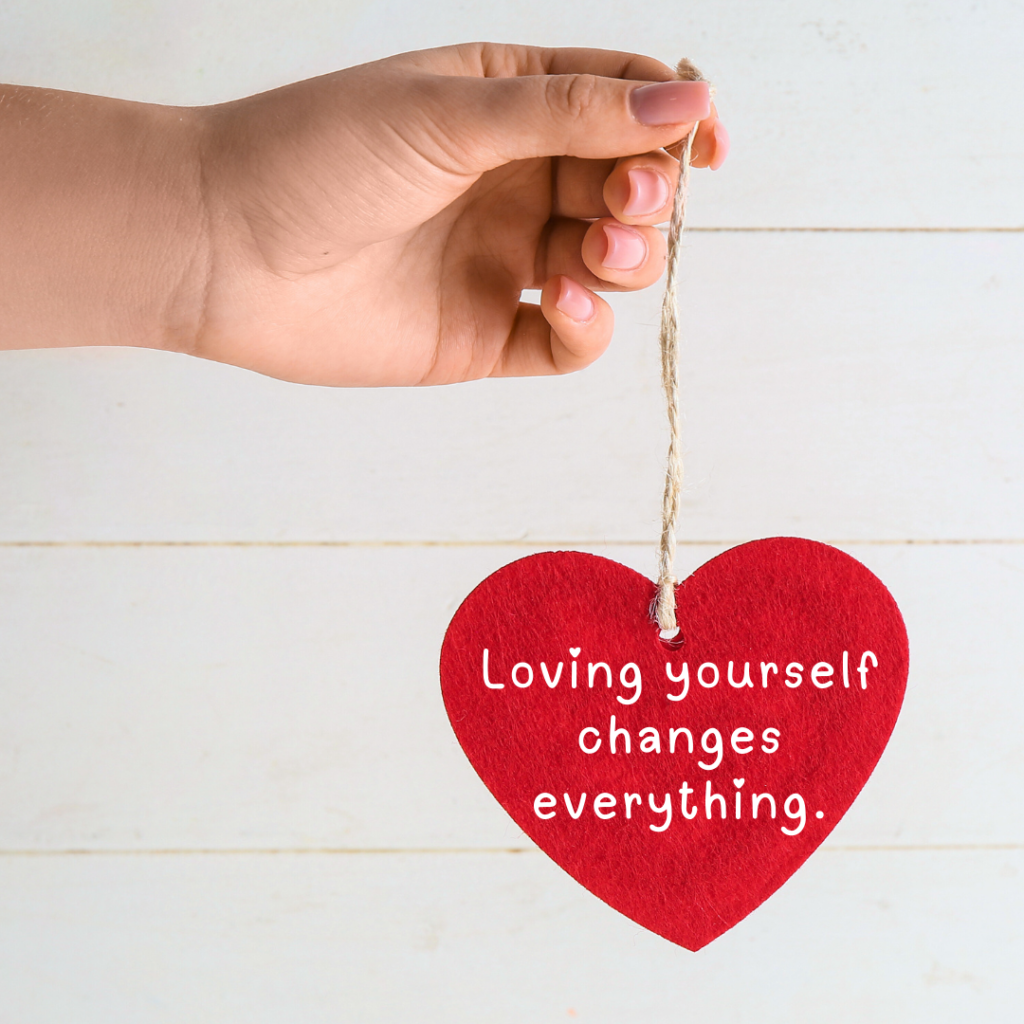
    Woman's hand holding a fabric heart that says "Loving yourself changes everything"

    In today’s fast-paced and demanding world, it’s easy to lose sight of one’s own needs. Between work commitments, family responsibilities, and societal expectations, we often prioritise everything and everyone else over ourselves. Yet, neglecting self-love can have significant consequences for our mental health.

    Self-love is not about vanity or selfishness; it’s about recognising your worth, treating yourself with kindness, and making choices that nurture your well-being. When you cultivate self-love, you build a foundation for a healthier mind and a more fulfilling life. In this blog post, we’ll explore what self-love means, why it matters for mental health, and how you can begin to embrace it.

    What Is Self-Love?

    Self-love can be defined as the practice of valuing and caring for yourself. It’s about accepting who you are, including your strengths and imperfections, and prioritising your mental, emotional, and physical well-being. Self-love involves:

    • Setting boundaries: Protecting your energy and not sacrificing your well-being to please others
    • Practising self-compassion: Being kind to yourself, especially during challenging times.
    • Acknowledging your achievements: Celebrating your successes, no matter how small they may seem.
    • Taking care of your body and mind : Ensuring you eat well, exercise, getting enough rest and having someone to talk to.

    Why Self-Love Matters for Mental Health

    1. Reduces Stress and Anxiety

    When you practice self-love, you’re more likely to set boundaries that protect you from unnecessary stress. You’re less inclined to over-commit or take on responsibilities that overwhelm you. By prioritising your well-being, you create space to recharge and manage anxiety more effectively.

    1. Improves Self-Esteem

    Self-love fosters a positive self-image. When you value yourself, you’re less likely to engage in self-criticism or compare yourself to others. This improved sense of self-worth can boost your confidence and help you navigate life with greater resilience.

    1. Enhances Relationships

    Loving yourself helps to build healthier relationships with others. Setting boundaries and communicating your needs leads to more balanced and fulfilling connections.

    When you respect and value yourself, you attract people who treat you with the same respect.

    1. Promotes Emotional Resilience

    Life is full of challenges, and self-love equips you with the tools to handle them.

    Being kind to yourself means allowing room for setbacks without turning them into self-criticism. It’s approaching challenges with curiosity and a problem-solving mindset, rather than defaulting to blame.

    1. Supports Overall Well-Being

    Self-love involves making intentional choices that support your mental, emotional, and physical health.

    That might mean building in proper rest, setting aside time to reset, or reaching out for professional support when you need it. These practical acts of care form the foundation of sustainable wellbeing.

    Hand touching a mirror to create a heart shape

    Cultivating Self-Love

    Counselling can play a meaningful role in strengthening self-worth and supporting your mental health. Professional support offers both structure and space to explore what may be getting in the way of treating yourself with care.

    Here are several ways it can make a difference:

    1. Uncovering Unhelpful Patterns

    Therapy helps you notice recurring thought patterns or core beliefs that undermine self-worth.
    With guidance, you can examine how past experiences, internalised criticism, or perfectionist standards may be shaping the way you relate to yourself, and begin to shift those patterns.

    1. Building Self-Awareness

    Counselling provides a confidential, reflective space to better understand your emotions, behaviours, and triggers. Developing this awareness clarifies your needs and values, making it easier to respond to yourself with intention rather than reactivity.

    1. Developing Healthy Coping Strategies

    A therapist can support you in building practical tools for managing stress, anxiety, and other challenges. Approaches such as grounding techniques, structured reflection, or breathwork can help you navigate difficulty with greater steadiness and self-compassion.

    1. Prioritising Self-Care

    When life feels demanding, self-care is often the first thing to be scratched off the list. Therapy can help you to focus yourself, and creating sustainable routines that protect your energy and mental health.

    1. Providing Validation and Support

    For those who experience guilt, shame, or feelings of unworthiness, counselling offers a non-judgmental environment where your experiences are heard and taken seriously. Being met with empathy and professional support can gradually strengthen your sense of worth and self-acceptance.

    How to Cultivate Self-Love

    If self-love doesn’t come naturally, that doesn’t mean it isn’t possible. It’s a skill that you can develop over time through small, steady changes.

    Here are some practical steps to get started:

    1. Be kinder to yourself

    Notice how you speak to yourself, especially when things go wrong. Try to replace harsh self-criticism with something more understanding. You don’t have to be perfect to be worthy of compassion.

    Treat yourself the way you would a close friend who needs support.
    Instead of “I got it wrong,” try, “I’m doing my best, and I can learn from this.”

    2. Set Healthy Boundaries

    It’s okay to say no. Learn to turn down commitments that don’t align with your values or needs.

    Setting boundaries is not about pushing people away. Protecting your time and energy lets you show up more fully in the areas that matter most.

    3. Celebrate Your Achievements

    Take time to acknowledge your accomplishments, no matter how small they may seem. Whether it’s completing a project at work or simply getting through a tough day, celebrate your efforts and remind yourself of your strengths.

    4. Make space for Self-Care

    Self-care doesn’t have to be elaborate to be meaningful. Think of it as a necessity, not a luxury.
    Prioritise the basics that support your wellbeing: rest, movement, quiet time, connection, or professional support if you need it.

    5. Reach out when you need support

    You don’t have to manage everything alone, there’s no shame in asking for help.
    Speaking to a friend, joining a group, or working with a counsellor can remind you that your needs matter.

    6. Practice Gratitude

    Gratitude shifts your focus from what you lack to what you have. Each day, take a moment to reflect on three things you’re grateful for. This simple practice can improve your mood and help you develop a more positive outlook.

    7. Create a Morning Ritual

    Starting your day with self-love can set the tone for the hours ahead. Consider establishing a morning ritual that focuses on your well-being. This could be as simple as practising mindfulness for five minutes, stretching your body, or writing down positive affirmations. Small rituals can have a big impact on how you perceive yourself and the day ahead.

    8. Challenge negative beliefs

    Many of us carry negative beliefs about ourselves that were formed in childhood or through difficult life experiences.
    With support, these patterns can change.

    Counselling may help you to identify these thought patterns, and gently question where they came from and how accurate they really are.

    9. Do things that bring you joy

    Make time for activities that feel enjoyable or meaningful, simply because they matter to you.
    When was the last time you did something purely because it made you happy?

    Engaging in activities that bring you joy is an important way to honour yourself. Whether it’s painting, dancing, or exploring new hobbies, giving yourself permission to enjoy life is an act of self-love.

    Overcoming Barriers to Self-Love

    For many people, self-love can feel uncomfortable or even selfish, especially if you’ve been conditioned to prioritise others over yourself.

    You might feel guilty for setting boundaries, taking time for yourself, or acknowledging your own needs. It’s important to challenge these beliefs and recognise that self-love is not about neglecting others, it’s about ensuring you’re in a good place to support those around you.

    If feelings of guilt or unworthiness feel deeply rooted, therapy can help you explore where they began and support you in building a healthier relationship with yourself. You might explore past experiences, cultural influences, or negative self-talk that have shaped your beliefs about self-worth.

    Practising self-love doesn’t have to be overwhelming. Start small:
    Challenge negative self-talk – Notice when you’re being self-critical and replace those thoughts with kinder, more compassionate ones.
    Set boundaries – Prioritise your own well-being by saying no when needed and protecting your time and energy.
    Engage in self-care – Whether it’s a quiet moment with a book, a walk in nature, or simply resting when you need to, small acts of self-care reinforce self-worth.
    Surround yourself with positivity – Spend time with those who uplift and support you rather than drain your energy.

    Be patient with yourself and remember that valuing your own needs isn’t selfish, it’s essential.
    Self-love isn’t a destination you arrive at. It’s a practice.

    Key Takeaways

    • Self-love is essential for mental health; it involves valuing yourself and making choices that nurture well-being.
    • Practicing self-love can reduce stress, improve self-esteem, enhance relationships, and promote emotional resilience.
    • Counselling plays a significant role in cultivating self-love by helping uncover unhelpful patterns and developing healthy coping strategies.
    • To cultivate self-love, set healthy boundaries, practice gratitude, and engage in activities that bring joy.
    • Overcoming barriers to self-love is crucial; it’s not selfish but necessary for supporting others effectively.

  • Time to Talk Day: The Power of Talking About Mental Health

    Time to Talk Day: The Power of Talking About Mental Health

    6 February – Time to Talk Day highlights something deeply human and essential to mental wellbeing: being able to talk openly and honestly about how we’re really feeling.

    Talking often begins with everyday conversations — a daughter telling her mum how counselling helped, a friend checking in, a partner gently suggesting support. These moments matter. They are often the first step towards feeling less alone and accessing help.

    At ACN, we believe talking is powerful. As a community interest company, all our profits are reinvested back into communities and charities across the UK. This allows us to keep counselling accessible, affordable, and focused on people — not profit.

    The Benefits of Talking About Mental Health

    Talking about mental health can help reduce isolation, ease emotional pressure, and support clearer thinking. Many people find that once they start talking, they feel a sense of relief — even if nothing has been “solved” yet.

    Talking helps externalise thoughts that may feel overwhelming when kept inside. It can normalise experiences, reduce shame, and remind people they’re not alone. For many, being listened to without judgement is the first step towards feeling better.

    Talking Without a Plan

    One of the most common misconceptions about counselling is that you need to know what to talk about before you begin.

    You don’t.

    Counselling provides a 50-minute confidential space that belongs entirely to you. There’s no agenda, no expectation, and no pressure to arrive with a plan. You can talk about whatever feels important — or whatever spills out when you finally have room to breathe.

    Many people use therapy as a place to empty their mind. A space to share worries, memories, frustrations, or feelings that have been building up over time. Making sense of things doesn’t need to happen straight away — that often comes later.

    How Talking Helps You Make Sense of Thoughts and Feelings

    When thoughts remain internal, they can feel tangled and overwhelming. Talking slows the process down.

    As people talk, patterns often begin to emerge. Repeated themes, emotional triggers, and connections gradually become clearer. Over time, things that once felt confusing can start to make sense.

    A counsellor’s role is not to judge or rush this process, but to listen, reflect, and support exploration at a pace that feels right.

    A Confidential Space to Say What You’ve Never Said Before

    For many people, counselling is the first place they speak openly about experiences or thoughts they’ve never shared elsewhere.

    This may be because they’ve been protecting others, didn’t feel understood, or weren’t sure how to begin. In counselling, there’s no need to worry about upsetting anyone or saying the “wrong” thing.

    What you share is confidential.
    You don’t need to filter yourself.
    You don’t need to manage your counsellor’s feelings.
    You won’t be judged.

    This freedom to talk openly is one of the most powerful benefits of counselling.

    Talking Can Feel Easier When You Feel Safe

    For some people, especially those experiencing anxiety, low mood, or exhaustion, accessing support in person can feel daunting.

    Being able to talk from a familiar, private space can help people feel more relaxed and in control. Online counselling removes practical barriers such as travel and waiting rooms, allowing people to focus fully on the conversation itself.

    In the UK, around 1 in 5 adults experiences a common mental health problem in any given week. Making talking more accessible helps people seek support earlier, before things feel unmanageable.

    Why Talking Is Central to Counselling Effectiveness

    Counselling isn’t about having the right answers or gaining perfect insight. It’s about being heard.

    Research consistently shows that the quality of the therapeutic relationship — feeling understood, accepted, and supported — is what makes counselling effective. That relationship can be built just as strongly online as it can face to face.

    Talking is not a secondary part of counselling. It is the work.

    Time to Talk Day: How Conversations Lead to Support

    Time to Talk Day reflects what we see every day at ACN.

    We increasingly see people recommending counselling because they feel more comfortable talking openly about their own experiences.
    As conversations about mental health become more normal, people are less concerned about sharing that they have had — or are currently having — counselling.

    Friends, partners, parents, and colleagues are speaking more honestly about what’s helped them. These open conversations reduce stigma and make counselling feel more approachable, rather than something to keep hidden.

    This shift matters. When people talk more openly about mental health and support, it becomes easier for others to take that step too. Reaching out isn’t weakness — it’s an act of care.

    Time to Talk, In Your Own Way

    Talking about mental health doesn’t need to be polished, planned, or articulate.

    It can be hesitant — full of pauses and uncertainty.
    It can be emotional — bringing tears, frustration, or relief.
    It can begin with “I don’t know where to start,” and unfold slowly from there.

    Talking might happen in small moments: a quiet check-in, a shared cup of tea, a message sent after days of thinking about it. Or it might happen in a dedicated space, where you finally have permission to speak freely without needing to explain or justify yourself.

    Whether you’re opening up to someone you trust or considering counselling for the first time, talking helps create space — space to breathe, to reflect, and to feel less alone. In that space, things can begin to shift. Understanding can grow. And change, however gentle or gradual, becomes possible.

    Thinking About Talking?

    If counselling has crossed your mind — for you or for someone you care about — Time to Talk Day can be a quiet reminder that support is there if and when it feels right.

    At ACN, we offer online low-cost counselling with trained counsellors, creating a confidential, nonjudgmental space where people can talk at their own pace. As a community interest company, any surplus we make is reinvested back into communities and charities that support others.

    There’s no rush and no expectation. Sometimes, all it takes is knowing there’s a safe space available — and that talking can happen in your own time, in your own way.

  • What is Depression?

    What is Depression?

    Depression is not the absence of happiness…

    There is a common misconception is that depression is simply excessive or prolonged sadness. That people should be able to just “snap out of it” and “pull themselves together”.

    Depression is far more complex than this. It can be difficult to understand and even harder to move forwards.

    Depression narrows our emotional range rather than intensifying it, until joy feels distant, and motivation fades.

    Numbness happens when life becomes flat or muted, but that doesn’t mean there’s something’s wrong with the person. They haven’t failed and they’re certainly not lazy.

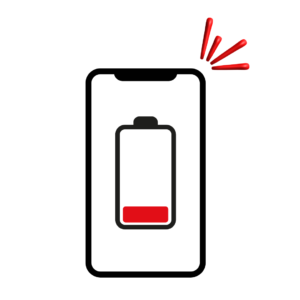
    Graphic of a phone with low-battery

    It’s about protection. When your mind is tired, it slows things down to conserve energy – like a phone switching into low-power mode. When the battery is depleted, output is reduced. That doesn’t mean the phone is broken.

    Cognitive Distortion: How Depression Shapes Your Thoughts

    Depression does not respond to logic, memes or inspirational quotes on a mug.

    It’s shaped by stress, loss, trauma, loneliness, unmet needs, and prolonged pressure. Often, it develops gradually, making it hard to pinpoint a single cause.

    Depression is not just a feeling; it’s a very convincing storyteller.

    • “I’m a burden.”
    • “Nothing will change.”
    • “Everyone else is coping better than I am.”

    These thoughts can feel authoritative, even factual. But they’re symptoms, not truths.

    Depression is a persuasive narrator, but not a reliable one. It narrows perspective and presents temporary states as permanent realities. Trying to argue or debate with these perspectives often keeps you stuck in the same loop of thinking.

    When these thoughts appear, it can be helpful to notice them and get curious, rather than taking them at face value.

    The Inner Critic

    Some people have a strong inner critic who uses their preferred set of management strategies to try and maintain a sense of control, approval or safety.

    This tends to be things like perfectionism and OCD, pleasing others or keeping busy. Sometimes, they can feel like an enemy, but underneath the judgement is fear. Fear of failure, fear of success. Fear of displeasing others or being overwhelmed.

    Over time, chronic pressure can lead to depression emerging as a protective response – slowing everything down and creating “deep rest” to prevent further harm.

    At this stage, even anxiety and internal shame are not enough to force us to keep performing. Telling yourself that you should be coping better doesn’t change how things are, or give you space to recover. At this stage, you need understanding and compassion.

    What Actually Helps

    There is no single solution that works for everyone, but there are some helpful and protective factors highlighted by research and clinical experience:

    • Being believed and taken seriously
    • Gentle structure rather than overwhelming expectations
    • Safe connection with people who do not minimise or rush recovery
    • Professional support (therapy, medication, or both if appropriate)

    Recovery comes through gently reconnecting with yourself, at a pace that does not overwhelm you.

    Above all, compassion plays a central role, from yourself and from others. Recognition that depression is difficult and deserves care rather than criticism.

    A Final Thought

    If you are living with depression, you have not failed and you’re not broken. You’re responding to something real.

    Your system is doing the best it can with the energy and information it has available.
    Depression can be persuasive, but it can’t tell the future.

    Your story is still being written, ideally with more rest breaks, support and less pressure.

    Mandala with butterfly graphics

  • 💙 Movember: Growing Awareness, Saving Lives

    💙 Movember: Growing Awareness, Saving Lives

    Changing the Story of Men’s Mental Health

    Every November, moustaches become more than just a fun trend…

    What began as a light-hearted initiative has grown into a global movement. Movember tackles some of the most serious issues facing men today, including prostate cancer, testicular cancer, and suicide prevention.

    At its heart, Movember is about conversation, encouraging men to talk openly about physical and mental health.


    🧠 The Silent Crisis: Men and Suicide

    Suicide remains one of the leading causes of death among men under 50 in the UK.

    According to the Office for National Statistics (ONS, 2023), 74% of all suicides in the UK were men – a figure that remains heartbreakingly consistent year-on-year.

    Globally, the World Health Organization (WHO) reports that over 700,000 people die by suicide each year.

    Around 3 out of every 4 suicides are men.

    Despite these alarming figures, men are far less likely to seek help. Research by Mind showed only 36% of NHS referrals for psychological therapies are male.

    Cultural expectations around masculinity often make it difficult for men to express emotions or ask for help. Phrases like “man up” or “keep it together” reinforce silence, even when someone is struggling deeply.

    Reaching out for support isn’t weakness, it’s strength.


    🥸 Why Movember Matters

    Movember is more than a moustache. It’s a movement that aims to change the face of men’s health by encouraging conversations, raising funds, and challenging stigma.

    Since its launch in 2003, the Movember Foundation has funded more than 1,250 men’s health projects worldwide, investing over £700 million into mental health, suicide prevention, and cancer research.

    By raising awareness and supporting community projects, Movember empowers men to stay connected and get help early before they’re in crisis.


    🚨 Recognising the Signs of Suicide Risk

    If you’re worried about yourself or someone you know, look out for the following signs:

    • Withdrawing from family, friends, or activities
    • Talking about feeling hopeless, trapped, or being a burden
    • Increased alcohol or drug use
    • Major changes in mood, sleep, or energy
    • Expressing thoughts of self-harm or death

    Reaching out, even just asking “Are you really okay?” can start a life-saving conversation. 

    If you’re unsure where to start, Mental Health UK offers free, practical tools and downloadable guides to help you have these important conversations.

    👉 Find resources and guides here


    🤝 Reaching Out for Help

    This Movember, take a moment to check in with the men in your life, and yourself. Connection can make an enormous difference.

    Whether you’re struggling with stress, anxiety, depression, or simply feeling overwhelmed, help is always available.


    🌱 A Message of Hope

    Talking about suicide can feel uncomfortable, but silence can be deadly. When we open up conversations about men’s mental health, we build a future where reaching out for help is normal and celebrated.

    This Movember, let’s wear our moustaches — or our support — proudly.
    Together, we can change the story of men’s mental health and save lives.


    📞 If You or Someone You Know Is Struggling

    • Samaritans (UK): Call 116 123 – free and available 24/7
    • Mind: 0300 123 3393 – for mental health advice and support
    • CALM (Campaign Against Living Miserably): 0800 585858 – for men in crisis